
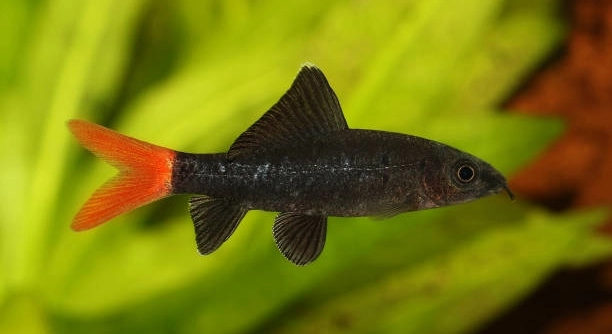
Rainbow sharks are popular aquarium fish known for their striking colors and active behavior. Many fishkeepers want to create a comfortable environment for these lively creatures. Proper care helps ensure their health and reduces stress in the tank.
Creating a comfortable tank for your rainbow shark involves maintaining clean water, providing ample swimming space, offering hiding spots, keeping compatible tank mates, controlling water temperature, ensuring a balanced diet, and reducing sudden disturbances. These factors collectively promote the fish’s well-being and natural behavior.
Following these guidelines will improve your rainbow shark’s quality of life. This article covers key steps to help you create a safe and welcoming habitat for your fish.
Keep the Water Clean and Well-Filtered
Maintaining clean water is essential for your rainbow shark’s health. These fish produce waste that can quickly pollute the tank if not managed properly. A good filtration system helps remove harmful toxins like ammonia and nitrites, which can cause stress or illness. Regular water changes are necessary to keep the environment fresh. Aim to change about 20-30% of the water every week to maintain water quality. Testing the water regularly for pH, ammonia, nitrites, and nitrates is also important. Rainbow sharks prefer slightly acidic to neutral pH levels around 6.5 to 7.5. Keeping the tank clean reduces the chance of disease and promotes active behavior. Avoid overfeeding, as excess food can decay and pollute the water. Proper water care creates a stable environment that helps your rainbow shark thrive.
Regular water changes and a quality filter are key steps in providing a healthy tank environment.
Consistent water maintenance ensures your rainbow shark has a safe and stable home. It prevents illness, supports activity, and encourages natural behavior. Clean water conditions are the foundation of good fishkeeping.
Provide Ample Space and Hiding Spots
Rainbow sharks are active swimmers that need enough room to explore. A tank of at least 30 gallons is recommended to give them space to move freely. Overcrowding can cause stress and aggression. In addition to swimming space, hiding places help your fish feel secure. Use decorations like caves, rocks, and plants to create shelter. These hiding spots reduce stress by giving your rainbow shark places to retreat. When choosing plants, opt for sturdy varieties that can handle the fish’s activity. Make sure decorations do not have sharp edges that might injure the fish. Arranging the tank to balance open swimming areas with sheltered spots mimics their natural habitat and promotes comfort. Providing space and hiding spots encourages natural behaviors and reduces stress-related problems.
Choose Compatible Tank Mates
Rainbow sharks can be territorial, so tank mates must be selected carefully. Avoid aggressive or fin-nipping fish that may provoke stress or fights.
Peaceful community fish like tetras, barbs, or danios work well with rainbow sharks. It is important to avoid other bottom-dwelling fish that compete for territory. Monitor interactions regularly to prevent bullying. A balanced community reduces stress and promotes healthier behavior for all fish involved.
Ensure tank size accommodates all species comfortably to reduce competition. Adding more swimming space and visual barriers can also help minimize territorial disputes. By carefully selecting and observing tank mates, you create a peaceful environment that allows your rainbow shark to thrive alongside others.
Maintain Stable Water Temperature
Rainbow sharks prefer water temperatures between 72°F and 79°F (22°C–26°C). Keeping the temperature steady is essential to their comfort and health.
Sudden temperature changes can cause stress and weaken their immune systems. Use a reliable heater and thermometer to maintain consistent warmth. Avoid placing the tank near drafts, windows, or heat sources that can cause fluctuations. Stability in water temperature helps maintain normal metabolism and activity levels.
If the water is too cold, rainbow sharks become sluggish and vulnerable to disease. Excessive heat can also lead to oxygen depletion and discomfort. Monitoring and adjusting the temperature regularly ensures a stable, healthy environment that supports your fish’s natural behavior.
Feed a Balanced Diet
Rainbow sharks need a varied diet to stay healthy. Feeding them a mix of high-quality flakes, pellets, and live or frozen foods is ideal.
Avoid overfeeding to prevent water pollution and health issues. Feed small amounts once or twice daily, enough for them to eat within minutes.
Reduce Sudden Disturbances
Sudden noises or movements can stress rainbow sharks. Keep the tank in a quiet area away from heavy foot traffic and loud sounds.
Regularly Monitor Fish Behavior
Observing your rainbow shark’s behavior helps catch early signs of stress or illness. Look for changes in activity, color, or appetite.
Immediate action after spotting problems can prevent serious health issues and keep your fish comfortable and thriving.
FAQ
How often should I change the water in my rainbow shark’s tank?
Water changes should be done weekly, replacing about 20-30% of the tank water. This helps remove toxins and maintain good water quality. Frequent water changes prevent buildup of harmful substances like ammonia and nitrates, which can stress your fish and cause health problems.
What is the ideal tank size for a rainbow shark?
A minimum tank size of 30 gallons is recommended for a single rainbow shark. This allows enough swimming space and reduces territorial behavior. Larger tanks are better if you plan to keep multiple fish or other species to avoid overcrowding and aggression.
Can rainbow sharks live with other fish?
Yes, but tank mates must be chosen carefully. Peaceful, fast-swimming fish like tetras, danios, or barbs usually coexist well. Avoid other bottom dwellers or aggressive species to prevent territorial disputes and stress.
What do rainbow sharks eat?
Rainbow sharks are omnivores. They thrive on a varied diet of high-quality flakes or pellets, supplemented with live or frozen foods like bloodworms or brine shrimp. A balanced diet supports growth, color, and overall health.
How do I know if my rainbow shark is stressed?
Signs of stress include hiding constantly, loss of color, decreased appetite, or erratic swimming. Stress can be caused by poor water quality, aggressive tank mates, or sudden environmental changes. Early detection helps prevent illness.
What water temperature do rainbow sharks prefer?
They prefer temperatures between 72°F and 79°F (22°C–26°C). Keeping the temperature stable within this range supports normal activity and health. Sudden fluctuations can cause stress or illness.
How can I provide hiding spots in the tank?
Use decorations like caves, rocks, and sturdy plants to create shelter. These provide security and reduce stress. Make sure the hiding places are safe and free from sharp edges that could injure the fish.
How much should I feed my rainbow shark daily?
Feed small amounts once or twice a day, giving only what they can eat within a few minutes. Overfeeding leads to water pollution and health problems. It’s better to underfeed slightly than overfeed.
Is it normal for rainbow sharks to be territorial?
Yes, rainbow sharks can be territorial, especially toward other bottom-dwelling fish. Providing enough space and hiding spots helps reduce aggression. Monitoring their behavior regularly allows you to intervene if conflicts arise.
How important is filtration for a rainbow shark tank?
Filtration is very important. A good filter removes waste, toxins, and debris, keeping the water clean and safe. It supports the biological balance needed for your fish’s health and comfort.
What pH level is best for rainbow sharks?
A slightly acidic to neutral pH of 6.5 to 7.5 is ideal. Regular testing ensures the water stays within this range. Large pH swings can stress the fish and lead to health problems.
Can I keep more than one rainbow shark together?
Keeping multiple rainbow sharks in the same tank can be risky due to their territorial nature. If you want to keep more than one, provide a large tank with plenty of space and hiding spots to minimize conflicts.
What are common signs of illness in rainbow sharks?
Common signs include lethargy, loss of appetite, white spots, frayed fins, or unusual swimming patterns. Promptly addressing illness helps prevent serious problems and improves recovery chances.
How do I acclimate a new rainbow shark to my tank?
Float the sealed bag in the tank water for 15-20 minutes to match temperature. Slowly add small amounts of tank water to the bag over 30 minutes before releasing the fish. This reduces shock and helps the fish adjust smoothly.
What lighting conditions are best for rainbow sharks?
Moderate lighting works well. Too much bright light can stress them, while dim lighting may reduce activity. Mimicking natural day-night cycles with a timer promotes normal behavior and health.
Taking good care of your rainbow shark involves several important steps that help create a comfortable and healthy environment. Clean water is essential, so regular water changes and good filtration must be part of your routine. Keeping the tank water stable in temperature and within the right pH range supports the fish’s health and prevents stress. Providing enough swimming space and places to hide also makes your rainbow shark feel secure. These simple measures encourage natural behavior and help reduce aggression or anxiety.
Feeding your rainbow shark a balanced diet with a mix of pellets, flakes, and occasional live or frozen foods keeps it strong and vibrant. Avoiding overfeeding protects the water quality and prevents health issues related to excess waste. Choosing peaceful tank mates that do not compete for space or cause harm is also important. Monitoring your fish regularly for any changes in behavior or appearance helps catch potential problems early. This attention helps maintain a stable environment and supports your rainbow shark’s well-being.
Overall, caring for a rainbow shark requires attention to detail but is very rewarding. By following key care guidelines such as water maintenance, tank setup, diet, and compatible companions, you can help your fish thrive. Creating a comfortable habitat reduces stress and promotes a longer, healthier life for your rainbow shark. With consistency and proper care, you will enjoy watching its beautiful colors and active swimming for years to come.

Hello,
If you enjoy the content that we create, please consider saying a "Thank You!" by leaving a tip.
Every little bit helps us continue crafting quality advice that supports the health, happiness, and well-being of pets around the world, for pets of all shapes, sizes, and species.
We really appreciate the kindness and support that you show us!