
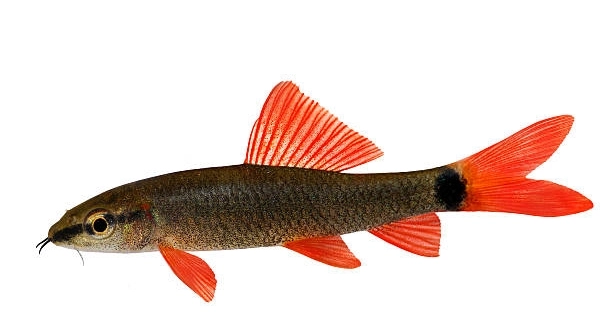
Are your rainbow sharks showing signs of injury, leaving you concerned about their safety in the tank? You’re not alone in wanting answers. Many fishkeepers face similar problems and hope to protect their aquatic pets.
Rainbow shark injuries are most often caused by tank aggression, poor water quality, sharp decorations, overcrowding, improper diet, rough handling, and stress from incompatible tankmates. Identifying these triggers is essential to preventing future harm and supporting long-term fish health.
Learning what leads to injury will help you create a safer, healthier space for your rainbow shark to thrive in every day.
Aggressive Tankmates
Rainbow sharks are territorial and do not tolerate aggressive or similar-sized fish in their space. When housed with other semi-aggressive or dominant fish, fights can break out, leaving your shark with visible injuries like torn fins or missing scales. This stress can weaken their immune system and cause them to hide more often. To prevent this, avoid pairing them with fish like red-tailed sharks, bettas, or cichlids. Opt for peaceful species that occupy different areas of the tank. Giving them plenty of hiding spots and enough space to swim freely also helps reduce aggression and injury. A well-structured tank with caves and plants can encourage peaceful behavior. Properly researching compatibility before adding new fish can save you from future issues. Housing just one rainbow shark per tank is often best to avoid territorial disputes. Their need for space and calm surroundings is often underestimated but makes a big difference.
Choose tankmates carefully to maintain peace. Stick to species that are known to be calm and bottom-feeding fish.
Providing at least a 55-gallon tank allows your rainbow shark to establish its territory. This minimizes conflict and protects their fins and body from constant chasing or biting. Fish feel safer when they don’t have to compete for every inch of space.
Poor Water Quality
Bad water quality harms fish quickly. Ammonia, nitrite, or high nitrate levels irritate the skin and gills. This can lead to open wounds or bacterial infections that worsen over time.
Rainbow sharks are sensitive to their environment. Keeping their tank water clean is one of the most effective ways to prevent injury. Perform weekly water changes of about 25–30% and monitor the tank with a water testing kit. Make sure ammonia and nitrite levels stay at zero, and keep nitrate below 20 ppm. Use a good-quality filter and clean it regularly to avoid buildup. Also, avoid overfeeding since uneaten food rots and increases toxin levels. Injuries can become infected quickly in poor conditions, and cloudy or dirty water makes it hard for wounds to heal. Keep substrate and decorations clean as well. A healthy tank supports healing, prevents disease, and lowers stress, all of which protect your rainbow shark from unnecessary harm.
Sharp Decorations in the Tank
Rough or jagged tank decorations can easily scratch your rainbow shark’s skin or fins during normal swimming or hiding. These minor cuts may become infected, especially in poor water conditions, leading to more serious health problems.
To reduce this risk, choose smooth decorations made from safe materials like resin or soft plastic. Avoid sharp rocks, broken ceramics, or rough-edged driftwood. Check each item before placing it in the tank, and run your fingers over the surface to feel for sharp points. Decorations should allow your rainbow shark to glide through or hide without scraping its body. It’s also helpful to position decorations in a way that doesn’t block their swimming path. Rearranging the tank occasionally can keep your fish engaged, but always inspect items when cleaning. Damaged or chipped pieces should be removed quickly. A little attention to these details helps avoid preventable injuries.
Even small cuts from decorations can turn serious if ignored. Open wounds expose your rainbow shark to bacteria or fungi, especially in tanks with unstable water parameters. If you notice signs of injury, like redness or frayed fins, inspect the tank layout immediately. Safe tank decor supports both physical safety and mental comfort for your fish.
Overcrowding
Too many fish in one tank leads to stress, competition, and aggression. Rainbow sharks need space to roam and claim their territory without feeling constantly threatened by other fish nearby.
A crowded tank makes it difficult for rainbow sharks to avoid other fish, increasing the risk of injury during daily activity. They may act aggressively or become withdrawn, and both behaviors can result in harm. To prevent this, maintain a low fish-to-space ratio. For one rainbow shark, a minimum 55-gallon tank is recommended. Avoid adding multiple bottom-dwelling species that will compete for the same territory. Each fish needs room to swim, hide, and feel secure. Overcrowding also affects water quality, which can worsen wounds or lead to illness. Always research the adult size of any new fish and plan your tank layout accordingly. Giving your rainbow shark enough space helps prevent conflict and supports their long-term well-being.
Improper Diet
A poor diet weakens your rainbow shark’s immune system, making it more vulnerable to infections and slow-healing wounds. Injuries from tankmates or sharp objects take longer to recover if the fish isn’t receiving proper nutrition.
Feed a balanced mix of sinking pellets, vegetables like blanched zucchini, and occasional protein-rich treats.
Rough Handling During Tank Maintenance
Rainbow sharks are sensitive to sudden movement or forceful handling. Using nets too roughly or shifting decorations without care can cause panic, leading them to thrash or crash into objects. Always move slowly during maintenance and avoid direct contact with the fish unless absolutely necessary.
Stress from Incompatible Tankmates
Fast, nippy, or aggressive fish cause stress in rainbow sharks, even without physical contact. Stress lowers their immunity and increases the risk of infection or injury. Choose peaceful tankmates that respect the rainbow shark’s space and swimming patterns.
What are the common signs of injury in a rainbow shark?
Injuries often appear as torn fins, missing scales, redness, or open wounds on the body. Your rainbow shark might also swim less actively or hide more than usual. Look closely for ragged fins or spots that seem inflamed. These signs suggest your fish is hurt or stressed.
How can I safely treat minor injuries on my rainbow shark?
For minor cuts or fin damage, start by improving water quality with regular changes and a clean filter. Adding aquarium salt in small doses can help prevent infection. Avoid medications unless the injury worsens. Keeping the tank stress-free allows your fish’s natural healing process to work best.
Can injuries from tankmates be prevented?
Yes. Avoid housing rainbow sharks with aggressive or similarly territorial fish. Provide enough space and hiding places to reduce territorial disputes. Single rainbow sharks in tanks with peaceful species reduce the risk of fights and injuries.
Is it normal for rainbow sharks to bite their own fins?
Sometimes, fin-nipping can happen due to stress, boredom, or poor water conditions. This self-inflicted injury can worsen if not addressed. Ensure the tank environment is comfortable and clean, and add enrichment like plants or decorations for stimulation.
How often should I test the water to prevent injury?
Testing water weekly is ideal. Check ammonia, nitrite, nitrate, pH, and temperature to keep the environment stable. Poor water conditions delay healing and cause skin irritation, leading to injury.
What diet supports a rainbow shark’s health?
A diet including high-quality sinking pellets, fresh vegetables, and occasional protein sources like bloodworms supports immune health. Balanced nutrition helps wounds heal faster and prevents stress-related injuries.
Can overcrowding cause physical injuries?
Overcrowding increases stress and fighting, leading to fin tears or bites. It also lowers water quality, which worsens wounds. Maintain proper tank size and avoid overstocking to keep your rainbow shark safe.
How do I handle my rainbow shark during tank cleaning without causing injury?
Minimize handling. Use a soft net gently and avoid chasing the fish. Move slowly and keep decorations stable to prevent sudden movements that stress the shark or cause accidental bumps.
When should I seek veterinary help for my injured rainbow shark?
If injuries worsen despite care, or if you see signs of infection like fungus or excessive redness, consult a vet experienced with fish. Early treatment improves chances of recovery.
Do tank decorations really cause injuries?
Yes. Sharp or rough decorations can scrape or cut your fish. Choose smooth, fish-safe decorations and regularly check for damage or sharp edges that could harm your rainbow shark.
Can stress alone cause injury in rainbow sharks?
Stress weakens the immune system and makes fish more prone to infections and self-injury. Stress from overcrowding, aggressive tankmates, or poor water quality can indirectly cause injuries.
How can I reduce stress to prevent injury?
Keep tank conditions stable, provide hiding spots, avoid aggressive fish, and maintain a proper diet. A calm environment helps your rainbow shark stay healthy and resilient against injury.
Caring for a rainbow shark requires attention to many details, especially when it comes to preventing injury. Understanding the main causes of harm helps create a safer and more comfortable environment for your fish. Injuries often happen because of aggression from other fish, poor water quality, sharp decorations, overcrowding, improper diet, rough handling, or stress from incompatible tankmates. Each factor plays a role in the health and well-being of your rainbow shark. By addressing these causes, you can reduce the chances of injury and help your fish thrive.
Keeping your tank clean and well-maintained is one of the simplest but most important steps in protecting your rainbow shark. Regular water changes, proper filtration, and careful monitoring of water parameters prevent many problems before they start. Likewise, choosing smooth decorations and avoiding overcrowding allows your fish to swim freely without risking cuts or bites. Feeding a balanced diet supports the immune system and helps your fish heal faster if injuries do occur. Handling your fish gently during tank maintenance also lowers the risk of accidental harm.
In the end, creating a calm and safe environment is key to keeping your rainbow shark healthy. Observing your fish regularly for any signs of injury or stress will let you act quickly if problems arise. While injuries can be concerning, many are preventable with proper care and attention. Taking the time to understand your rainbow shark’s needs and tank requirements goes a long way in avoiding common injuries. This approach supports the long-term health and happiness of your fish.

Hello,
If you enjoy the content that we create, please consider saying a "Thank You!" by leaving a tip.
Every little bit helps us continue crafting quality advice that supports the health, happiness, and well-being of pets around the world, for pets of all shapes, sizes, and species.
We really appreciate the kindness and support that you show us!