
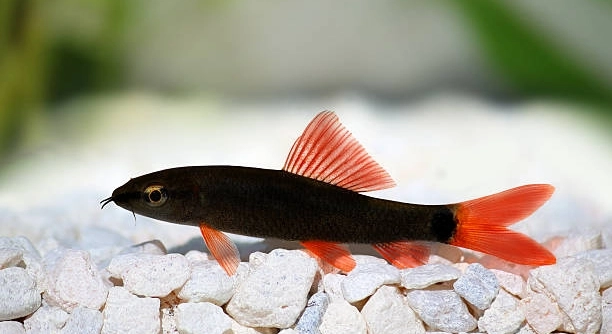
Rainbow sharks are popular freshwater fish known for their striking colors and active nature. Keeping their habitat calm and stress-free is essential for their well-being and longevity. Proper care ensures these fish remain healthy and vibrant in your aquarium.
Maintaining a stress-free environment for rainbow sharks involves stable water conditions, adequate tank size, suitable hiding spots, compatible tank mates, balanced diet, regular cleaning, and minimizing sudden changes. These factors collectively support their natural behavior and reduce stress.
Understanding these tips will help create a peaceful home for your rainbow shark. This foundation is important for keeping your fish healthy and happy over time.
Stable Water Conditions Are Key
Keeping your rainbow shark’s water stable is essential for reducing stress. Fluctuations in temperature, pH, or ammonia levels can cause discomfort and illness. Using a reliable heater and filter helps maintain the right balance. Regular water testing and partial water changes prevent toxins from building up. Rainbow sharks prefer slightly acidic to neutral water, with temperatures between 75-79°F (24-26°C). Avoid sudden shifts in these conditions as they can trigger stress responses. Monitoring water parameters consistently makes a big difference in your fish’s health. Stability in the environment creates a sense of security for your shark, promoting calm behavior and better immune function. Inconsistent water quality often leads to disease, which could be prevented by careful maintenance. Taking these steps ensures your fish feels safe in its habitat.
Maintaining stable water helps your rainbow shark stay healthy and lowers the chance of stress-related issues in the tank.
A consistent environment supports normal activity levels and bright colors. It also reduces aggressive or erratic behavior that can occur when fish feel threatened or uncomfortable.
Providing Adequate Space and Hiding Spots
Rainbow sharks need room to swim and places to hide. A tank of at least 30 gallons is recommended to give them enough space. Without enough room, they may become territorial or stressed. Hiding spots like caves, plants, or decorations provide shelter and reduce anxiety. These areas offer security when the fish feel threatened or need to rest. A well-arranged tank with both open swimming areas and cover balances their natural instincts. Avoid overcrowding by keeping tank mates compatible and few in number. Overcrowding leads to competition and stress, which can affect health. Providing varied terrain encourages exploration and activity without overwhelming the fish. Thoughtful tank setup helps your rainbow shark feel more at ease in its environment. This promotes natural behavior and improves overall well-being.
Compatible Tank Mates Matter
Choosing the right tank mates helps reduce stress for your rainbow shark. Avoid aggressive or overly active fish that may bully or compete with them. Peaceful species that occupy different tank levels work best.
Peaceful fish like tetras, danios, and corydoras can share space well with rainbow sharks. These species tend to swim in the middle or top areas, leaving the bottom mostly to the shark. Avoid other bottom dwellers that might compete for territory. Introducing new fish slowly helps the shark adjust without feeling threatened. Keeping a calm community tank lowers stress and aggression. When fish coexist without conflict, they are healthier and more relaxed.
A balanced community tank respects the natural behavior of your rainbow shark. This reduces stress triggers and helps maintain a stable environment for all inhabitants.
Balanced Diet and Feeding Routine
Providing a balanced diet is crucial to your rainbow shark’s health. A mix of high-quality pellets, flakes, and occasional live or frozen foods meets their nutritional needs. Feeding small amounts twice daily prevents overfeeding, which can pollute the water and stress your fish.
Rainbow sharks are omnivores that enjoy plant matter as well as protein. Including algae wafers or blanched vegetables like zucchini adds variety and supports digestion. Avoid sudden changes in diet to prevent digestive upset. A consistent feeding schedule helps your fish feel secure and reduces competition during feeding time. Uneaten food should be removed to maintain water quality and reduce toxins. Proper nutrition strengthens their immune system and supports bright coloration.
Good feeding habits contribute to your rainbow shark’s overall calmness and vitality. Ensuring proper diet and clean water creates a supportive environment for growth and activity.
Regular Tank Cleaning
Keeping the tank clean is vital for a stress-free habitat. Removing waste and uneaten food prevents harmful toxins from accumulating. A clean tank promotes healthy water quality.
Performing partial water changes weekly helps maintain the right environment. Cleaning filter media without harsh chemicals keeps beneficial bacteria alive. Regular gravel vacuuming removes debris that can pollute water. These steps ensure your rainbow shark’s tank stays fresh and safe.
Minimizing Sudden Changes
Sudden changes in the tank environment can cause stress. Avoid abrupt shifts in temperature, lighting, or decorations.
Introducing new elements gradually helps fish adjust smoothly. A stable environment supports natural behavior and reduces anxiety in rainbow sharks.
Observing Behavior
Pay close attention to your rainbow shark’s behavior for signs of stress. Changes like hiding, loss of appetite, or erratic swimming can indicate issues.
Early detection allows for quick action to address problems. Monitoring behavior regularly helps maintain a healthy, calm environment.
FAQ
How often should I change the water in my rainbow shark’s tank?
Changing 20-30% of the water weekly is ideal. This helps keep the water clean without shocking your fish. Frequent partial changes prevent buildup of harmful chemicals like ammonia and nitrites, which stress your rainbow shark. Use a water conditioner to remove chlorine and chloramine from tap water before adding it back.
What size tank is best for a rainbow shark?
A minimum of 30 gallons is recommended. Rainbow sharks are active swimmers that need space to move around. Larger tanks reduce territorial behavior and stress. Providing ample room also allows for hiding spots and decorations, which help your fish feel secure.
Can rainbow sharks live with other fish?
Yes, but tank mates must be chosen carefully. Avoid aggressive fish or those that compete for the same space. Peaceful species like tetras, danios, and corydoras work well. Avoid overcrowding to reduce stress and territorial disputes.
What should I feed my rainbow shark?
Rainbow sharks eat a mix of pellets, flakes, and live or frozen foods like bloodworms or brine shrimp. Including plant matter like algae wafers or blanched vegetables supports a balanced diet. Feed small amounts twice a day to prevent overfeeding and maintain water quality.
How do I know if my rainbow shark is stressed?
Signs include hiding excessively, loss of appetite, rapid breathing, or erratic swimming. Stress can lead to illness if not addressed. Regular observation helps you spot changes early and take action to improve tank conditions.
What is the ideal water temperature for rainbow sharks?
They thrive between 75-79°F (24-26°C). Keep the temperature stable using a reliable heater. Sudden changes can cause stress and health problems.
How often should I clean the tank?
Perform weekly partial water changes and clean the gravel with a vacuum. Avoid complete water changes or harsh cleaning that disrupts beneficial bacteria. Clean filters regularly but gently to maintain water quality and biological balance.
Can rainbow sharks live alone?
Yes, they can. Rainbow sharks often do well alone because they can be territorial. If kept with others, tank size and compatible species are important to prevent aggression.
Why does my rainbow shark hide a lot?
Hiding is normal behavior, especially if the tank lacks enough cover or if the fish feels threatened. Providing caves, plants, or decorations offers safe spots and helps reduce stress.
What are common causes of stress in rainbow sharks?
Poor water quality, overcrowding, incompatible tank mates, sudden environmental changes, and insufficient hiding spots can all cause stress. Maintaining stable water parameters and a balanced tank environment is key.
Is lighting important for rainbow sharks?
Moderate lighting mimics their natural habitat. Too bright lighting can cause stress, so providing shaded areas or floating plants can help create a comfortable environment.
How do I introduce new fish to the tank?
Introduce new fish slowly and monitor their interactions. Quarantining new arrivals before adding them to the main tank helps prevent disease. Gradual introductions reduce stress for all fish involved.
Can I keep plants with rainbow sharks?
Yes, many live plants thrive with rainbow sharks. Plants provide hiding spots and help improve water quality. Choose hardy plants that tolerate the shark’s activity and water conditions.
What should I do if my rainbow shark shows signs of illness?
Test water parameters first and improve water quality. Isolate the sick fish if possible and seek advice from a veterinarian or aquarium specialist for appropriate treatment. Early action improves recovery chances.
How long do rainbow sharks typically live?
With proper care, they can live 5-8 years or longer. A stress-free environment, good diet, and stable water conditions all contribute to a longer, healthier life.
This FAQ covers many common concerns to help you maintain a calm, healthy habitat for your rainbow shark. Consistent care and observation are essential to their well-being.
Maintaining a stress-free habitat for your rainbow shark requires attention to several key factors. Stable water conditions, appropriate tank size, and proper filtration are essential to creating a safe environment. Consistent monitoring of water quality helps prevent harmful changes that can affect your fish’s health. Providing adequate hiding spots and space allows your rainbow shark to feel secure and move comfortably. These elements work together to reduce stress and encourage natural behavior.
A balanced diet and regular feeding routine play an important role in keeping your rainbow shark healthy. Offering a mix of pellets, flakes, and occasional live or frozen foods ensures nutritional needs are met. Avoiding overfeeding helps maintain water quality by reducing leftover food and waste buildup. Cleaning the tank regularly with partial water changes and gentle filter maintenance keeps the habitat fresh. Minimizing sudden changes in lighting, temperature, or tank setup also helps prevent stress. Paying close attention to your fish’s behavior can alert you to potential issues early, allowing timely intervention.
Creating a calm environment requires ongoing care and observation. A stable habitat with compatible tank mates reduces conflict and supports your rainbow shark’s well-being. Understanding the needs of your fish allows you to make informed decisions about tank management and diet. While keeping a rainbow shark can be rewarding, it also demands responsibility to ensure a stress-free life. Following these guidelines helps promote long-term health and a peaceful home for your aquatic companion.

Hello,
If you enjoy the content that we create, please consider saying a "Thank You!" by leaving a tip.
Every little bit helps us continue crafting quality advice that supports the health, happiness, and well-being of pets around the world, for pets of all shapes, sizes, and species.
We really appreciate the kindness and support that you show us!