
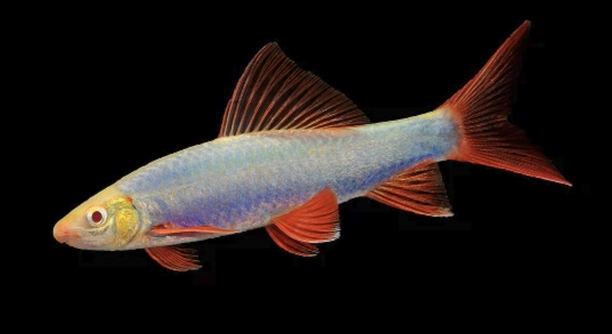
Rainbow sharks are popular aquarium fish known for their bright colors and active behavior. Many people enjoy keeping them, but sometimes these fish show signs of stress. Understanding what causes their stress is important for their well-being.
Rainbow shark stress often results from poor water quality, overcrowding, improper tank setup, aggressive tank mates, insufficient hiding spaces, inadequate diet, and sudden changes in their environment. Addressing these factors can greatly improve the health and comfort of the fish.
Knowing these causes will help you create a better habitat and keep your rainbow shark healthy and happy. The following information will guide you through practical solutions for common stress problems.
Poor Water Quality
Maintaining clean water is essential for rainbow sharks to thrive. Dirty water with high levels of ammonia, nitrites, or nitrates can quickly cause stress and health problems. Fish rely on clean water for proper breathing and to avoid diseases. If the tank isn’t cleaned regularly or the filter isn’t working well, waste builds up and harms the fish. Testing the water frequently helps spot problems early. Changing 20-30% of the water every week keeps conditions safe and stable. Avoid overfeeding, as uneaten food also pollutes the water. A well-maintained tank ensures a comfortable home for your rainbow shark.
Regular water testing and partial changes keep the environment safe and reduce stress for your fish.
Using a quality filter and keeping a consistent cleaning schedule prevents water quality issues. If the water appears cloudy or smells bad, act quickly to improve it. Poor water can lead to sickness and shortened lifespan. Taking these simple steps helps your rainbow shark stay active and healthy. Clear, stable water reduces their stress and encourages natural behavior like swimming and feeding.
Overcrowding and Tank Size
Too many fish in a tank limit swimming space and increase stress levels. Rainbow sharks need enough room to swim freely and establish their own territory. When crowded, fish compete for food and space, which leads to aggression and anxiety. A minimum tank size of 30 gallons is recommended for one rainbow shark. Larger tanks are needed for more fish. Overcrowding also makes it harder to maintain water quality, which adds to the problem. Proper tank size and population control keep rainbow sharks calm and balanced. Providing enough space reduces fighting and allows for natural activity. It also helps maintain cleaner water and better health.
Aggressive Tank Mates
Some fish species are naturally aggressive and can stress rainbow sharks by chasing or nipping them. Keeping rainbow sharks with calm, peaceful species helps avoid conflicts. Avoid fin-nippers or overly territorial fish that may attack or intimidate your shark.
Aggression from tank mates causes constant stress, making rainbow sharks hide or stop eating. Stress weakens their immune system, increasing the chance of illness. Choosing compatible fish like tetras or peaceful bottom dwellers reduces tension. Observing your tank’s behavior regularly helps spot any bullying early so you can separate aggressive fish. A peaceful community tank supports healthy and relaxed rainbow sharks.
Aggressive fish disrupt the tank’s balance. Proper selection and monitoring of tank mates prevent injuries and stress. This leads to a healthier environment where all fish can thrive together.
Lack of Hiding Spaces
Rainbow sharks need places to hide and rest. Without enough hiding spots, they feel exposed and unsafe. This increases their stress and makes them less active. Adding decorations, caves, or plants gives them shelter and comfort.
Hiding spaces reduce stress by letting rainbow sharks escape when they feel threatened or tired. Providing a mix of natural and artificial covers helps meet their needs. Live plants also improve water quality and create a natural habitat. When rainbow sharks have safe spots, they show more normal behavior, like exploring and feeding confidently. A tank with hiding areas supports their emotional well-being and physical health.
Ensuring your tank has enough hiding places creates a secure environment. This lowers stress levels and helps rainbow sharks feel at home, improving their overall quality of life.
Sudden Changes in Environment
Rainbow sharks are sensitive to sudden changes in temperature, lighting, or water chemistry. These rapid shifts can cause immediate stress and disrupt their normal behavior. Keeping conditions stable helps prevent unnecessary stress.
Gradual adjustments when needed allow the fish to adapt without shock. Consistent monitoring is key to maintaining a steady environment and supporting their health.
Inadequate Diet
A poor diet lacking variety and nutrients weakens rainbow sharks and causes stress. Feeding high-quality food designed for omnivores ensures they receive essential vitamins and minerals. Including occasional live or frozen foods improves their nutrition.
Regular feeding with balanced portions supports growth, color, and energy. Avoid overfeeding to prevent water pollution, which also stresses the fish.
Lack of Proper Tank Maintenance
Neglecting regular tank cleaning and filter upkeep allows harmful substances to build up. This harms water quality and stresses rainbow sharks. Staying consistent with maintenance routines is necessary for a healthy tank environment.
What are common signs that my rainbow shark is stressed?
Stress in rainbow sharks often shows through unusual behavior. They may hide more than usual, stop eating, or swim erratically. Sometimes, their colors fade, and they might scrape against objects in the tank. Increased aggression or lethargy can also signal stress. Watching your fish closely helps you catch these signs early and take action.
How often should I test my aquarium water?
Testing water weekly is ideal for keeping conditions stable. Checking ammonia, nitrites, nitrates, pH, and temperature regularly helps spot problems before they get serious. If you notice sudden changes in behavior or water clarity, test more often. Keeping water parameters within safe ranges prevents stress and illness in your rainbow shark.
Can I keep rainbow sharks with other fish?
Yes, but choose tank mates carefully. Rainbow sharks prefer peaceful fish that won’t compete aggressively for space. Avoid fin-nippers and overly territorial species. Good companions include tetras, rasboras, and some bottom dwellers like corydoras. Always monitor interactions to ensure harmony, as some individuals may be more aggressive than others.
How big should my tank be for a rainbow shark?
A single rainbow shark needs at least a 30-gallon tank to swim freely and claim territory. Bigger tanks are necessary if you keep more fish. Proper space reduces stress, aggression, and helps maintain water quality. Crowded tanks cause tension and poor health, so it’s important to plan tank size carefully.
What kind of diet keeps rainbow sharks healthy?
Rainbow sharks are omnivores and benefit from a varied diet. Use high-quality pellets or flakes formulated for omnivorous fish. Supplement with frozen or live foods like bloodworms, brine shrimp, or daphnia. Occasional vegetables like zucchini or peas are good too. Feeding small amounts 1-2 times daily keeps them healthy without polluting the water.
How do I create hiding spots in my aquarium?
Use decorations like caves, rocks, or driftwood to build shelters. Live or artificial plants add cover and comfort. Arrange these hiding places evenly around the tank to help your rainbow shark feel secure. Providing hiding spots reduces stress by allowing the fish to retreat when needed and helps them display natural behavior.
What water temperature is best for rainbow sharks?
Rainbow sharks thrive in water between 72°F and 79°F (22°C to 26°C). Keeping temperature stable within this range prevents stress. Sudden drops or spikes can shock your fish and cause health problems. Use a reliable aquarium heater and thermometer to maintain consistent conditions.
How do I reduce aggression in a community tank?
Avoid overcrowding and aggressive species to lower stress and fighting. Make sure your tank is large enough and provides plenty of hiding spots. Feed fish properly and regularly to reduce competition. If aggression persists, separate aggressive individuals to keep peace. Calm environments support healthier fish.
Why does my rainbow shark lose color?
Loss of color often signals stress or poor water conditions. It may also indicate illness or an improper diet. Ensuring clean water, stable temperature, and a balanced diet helps maintain vibrant colors. If fading continues, check for disease and consult an expert if needed.
What maintenance routines keep rainbow sharks healthy?
Regular water changes of 20-30% weekly keep the tank clean. Clean filters and remove debris often. Test water parameters consistently and adjust as needed. Avoid overfeeding and remove uneaten food promptly. Keeping the tank environment stable and clean is key to reducing stress and promoting health.
Taking care of rainbow sharks requires attention to their environment and needs. Stress in these fish can come from many sources, such as poor water quality, aggressive tank mates, or lack of hiding spots. Knowing what causes stress helps you create a better habitat for them. When their surroundings are stable and comfortable, rainbow sharks are more active and healthy.
Keeping the tank clean is one of the most important steps. Regular water changes and testing ensure the water stays safe. Filters must work well to remove waste and toxins. Overcrowding should be avoided, and the tank size should be appropriate for the number of fish. Providing enough space reduces fighting and keeps the water cleaner. Decorations and plants offer hiding spots, which make the fish feel secure. All these factors work together to lower stress and support natural behaviors.
Feeding a balanced diet and choosing peaceful tank mates also contribute to a calm environment. Sudden changes in temperature or water chemistry should be avoided, as these shocks can cause immediate stress. Watching your rainbow shark regularly will help you notice any signs of discomfort early. Taking simple, consistent actions will improve the fish’s quality of life. Overall, understanding and meeting your rainbow shark’s needs is key to keeping it healthy and happy in your aquarium.

Hello,
If you enjoy the content that we create, please consider saying a "Thank You!" by leaving a tip.
Every little bit helps us continue crafting quality advice that supports the health, happiness, and well-being of pets around the world, for pets of all shapes, sizes, and species.
We really appreciate the kindness and support that you show us!