
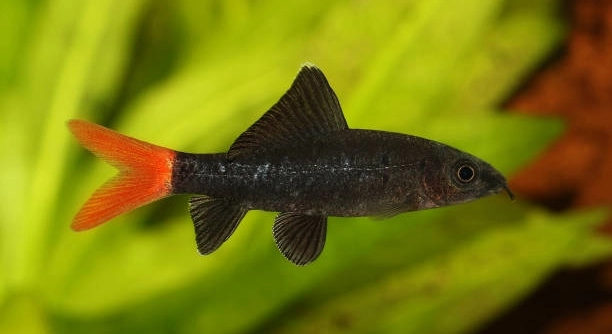
Are your rainbow shark’s colors fading or its behavior becoming more aggressive than usual? Taking care of these active fish can feel overwhelming at times. Knowing what they need is key to keeping them thriving.
The best way to keep your rainbow shark healthy and happy is by maintaining a clean tank, offering proper nutrition, and reducing stress factors. These fish thrive in stable environments with ample space and compatible tank mates that support their natural behaviors.
From feeding habits to tank setup, each step plays a role in creating a balanced environment that helps your rainbow shark feel secure and stay vibrant.
Maintain a Proper Tank Setup
A rainbow shark needs enough room to swim freely and claim its own space. A 55-gallon tank is the minimum size recommended for a single adult. These fish are territorial, so adding caves or decorations to create hiding spots helps reduce stress. Use a soft substrate like sand or smooth gravel to avoid injury. Keep water temperature between 75–80°F and ensure the pH stays around 6.5 to 7.5. A reliable filtration system is essential for clean water. Avoid placing them in small or crowded tanks, as that can increase aggression. Always use a secure lid because they may jump if startled.
When setting up your tank, avoid sharp objects and overcrowded layouts. Clean water and calm surroundings make a big difference in your fish’s behavior.
A well-arranged tank not only keeps your rainbow shark physically safe, but it also helps them stay mentally balanced. A structured, peaceful space supports long-term health.
Choose the Right Tank Mates
Rainbow sharks don’t get along with similar-looking or bottom-dwelling species.
They do better with fast, upper-level swimmers like barbs, danios, and rainbowfish. These fish usually stay out of the shark’s territory. Avoid slow or shy fish that might be chased or nipped. Never house two rainbow sharks in the same tank unless it’s very large—over 100 gallons—and carefully arranged. Even then, aggression is likely. Monitor new additions closely for signs of stress. If your shark becomes overly aggressive, consider rearranging the tank or moving fish. Compatibility depends on space, hiding spots, and the individual personality of your rainbow shark. It’s safer to introduce tank mates while your shark is still young.
Feed a Balanced Diet
Rainbow sharks need a mix of protein and plant-based foods to stay healthy. Feed them high-quality sinking pellets as their base diet. Add occasional treats like bloodworms, brine shrimp, blanched zucchini, or spinach for variety and extra nutrients. Avoid overfeeding to keep the tank clean.
Offer small portions once or twice a day, and remove uneaten food after a few minutes to prevent buildup. Their diet should mimic what they eat in the wild, which includes algae and tiny organisms. Varying their food keeps them active and reduces boredom. If your shark appears uninterested in food, check the water quality and temperature, as stress can affect appetite. Avoid fatty or low-quality foods that may lead to health issues. Feeding consistently at the same time each day helps establish routine and reduces anxiety. Keep their meals nutritious, simple, and spaced out properly for the best results.
A healthy diet also strengthens your rainbow shark’s immune system and enhances its natural colors. You’ll notice deeper reds and more vibrant body tones when they’re eating well. Feeding a rainbow shark isn’t complicated, but sticking to quality ingredients and avoiding random snacks helps them stay happy. They’ll also interact more during feeding if they feel secure.
Monitor Water Conditions
Water quality is one of the most important parts of rainbow shark care. These fish are sensitive to changes in ammonia, nitrites, and pH. Use a test kit weekly to keep things in check.
Keep ammonia and nitrites at zero, and nitrates under 40 ppm. Perform partial water changes weekly, removing about 25–30% of the tank’s volume. Make sure the new water is treated and at the same temperature. Avoid sudden pH shifts; these can stress your fish quickly. A stable pH between 6.5 and 7.5 works best. Make sure your filter runs continuously and clean it once a month without using soap or untreated tap water. A sponge filter or canister system both work well. If the water ever smells bad or looks cloudy, check your parameters immediately. Poor water quality leads to sickness, dull color, and increased aggression. Keeping things balanced will help your rainbow shark feel more secure and active.
Limit Stress Factors
Loud noises, frequent tank changes, or sudden lighting can stress your rainbow shark. Try to keep their environment calm and consistent. Avoid tapping on the glass or placing the tank in high-traffic areas where movement might startle them.
Use a timer for lighting to create a steady day-night cycle.
Quarantine New Additions
Before introducing new fish or plants, always quarantine them for at least two weeks. This helps prevent diseases or parasites from spreading to your rainbow shark. Use a separate tank with proper filtration, and monitor the new additions for any signs of illness. Look for clamped fins, white spots, or abnormal behavior. A small investment of time here can save your whole tank from problems later. If you’re adding new fish, match their size and temperament to reduce the chance of conflict. Always clean any tools used between tanks to avoid cross-contamination. Keep quarantine strict, even if the fish look healthy.
Watch for Health Changes
A healthy rainbow shark swims smoothly, eats regularly, and has strong colors. Look out for frayed fins, spots, cloudy eyes, or sluggish movement. These may be signs of injury or illness and should be checked right away.
FAQ
Can I keep more than one rainbow shark in the same tank?
Keeping more than one rainbow shark in the same tank is not recommended unless the tank is extremely large—over 100 gallons—and carefully structured with hiding spots and territory boundaries. Rainbow sharks are naturally territorial and will often become aggressive toward others of their kind. If two are placed in a tank that is too small or lacks structure, one will likely dominate and bully the other, leading to injury or stress. Even in spacious tanks, aggression can still happen, so it’s best to keep just one unless you’re experienced with managing territorial species.
Why is my rainbow shark hiding all the time?
Rainbow sharks often hide when they feel unsafe or stressed. New tank setups, sudden changes in water conditions, or the presence of more dominant fish can all cause this behavior. It’s also common for them to hide more during their adjustment period after being added to a new environment. Check for signs of bullying from tank mates, poor water quality, or loud surroundings. Make sure there are enough hiding places like caves or plants where your shark can feel secure. If your shark eats normally and swims confidently when no one’s around, it’s likely just being cautious.
What size tank does a rainbow shark need?
A single adult rainbow shark needs at least a 55-gallon tank. This size gives them enough room to establish territory and swim comfortably. Smaller tanks can lead to stress, stunted growth, and aggressive behavior. The more space you provide, the better your chances of keeping your fish healthy and calm. If you plan to include tank mates, consider upgrading to a 75-gallon tank or larger to give everyone enough room to avoid conflict. Rainbow sharks are active swimmers and need both open areas and places to hide. Long tanks are better than tall ones to suit their swimming style.
Do rainbow sharks eat algae?
Yes, rainbow sharks do eat some algae, but they are not true algae eaters like plecos or otocinclus. While they may graze on soft algae growing on surfaces, they still need a balanced diet with sinking pellets, protein-rich snacks like bloodworms, and plant-based foods like blanched spinach or zucchini. Relying on algae alone won’t provide them with the nutrients they need. If you notice excessive algae in your tank, it’s better to manage it with proper lighting, regular water changes, and possibly adding dedicated algae-eating species rather than depending on your rainbow shark.
How can I tell if my rainbow shark is male or female?
Telling the difference between male and female rainbow sharks can be tricky. Males usually have slimmer bodies and more pointed dorsal fins, while females tend to be rounder and slightly larger. These differences become more noticeable as the fish mature. However, there are no strong color variations between the sexes, so it’s not always easy to tell just by looking. If you’re trying to breed them—which is rare in home aquariums—professional breeders usually separate young fish and monitor their development over time to spot the subtle differences. Most hobbyists don’t need to determine the sex unless absolutely necessary.
Why is my rainbow shark aggressive?
Rainbow sharks are territorial by nature, especially as they get older. Aggression can increase if the tank is too small, lacks hiding places, or if tank mates invade their space. They may chase or nip at other fish, especially those that look or act similarly, such as other bottom dwellers. To reduce aggression, avoid placing more than one shark in the same tank, and choose peaceful, fast-swimming fish that stay in upper water levels. Sometimes rearranging decorations helps disrupt established territory lines. Make sure your shark isn’t overcrowded, and monitor behavior closely when adding any new tank mates.
Final Thoughts
Keeping a rainbow shark healthy and happy takes some planning, but it’s not too difficult once you understand their needs. These fish are known for their bold looks and active swimming, but they also need space, calm surroundings, and consistent care. A proper tank size, clean water, and a well-balanced diet make a big difference in their behavior and overall health. Making sure the tank has hiding spots and soft substrate helps them feel more secure. When their environment feels stable and comfortable, rainbow sharks tend to be less aggressive and more active throughout the day.
Avoid placing them with fish that live near the bottom or look too similar. Rainbow sharks are territorial and may chase or nip if they feel their space is threatened. Choosing the right tank mates helps keep the peace and reduces stress. Watching their behavior closely can alert you to any early signs of illness or discomfort. If they hide more than usual, stop eating, or look dull in color, it may be time to check water conditions or adjust feeding. Regular water tests and small weekly water changes are simple habits that go a long way in keeping your shark healthy.
Rainbow sharks may not be ideal for every beginner, but they are very rewarding for those who take the time to care for them properly. Their bright red fins and sleek, dark bodies make them stand out in a freshwater setup. When given the right environment and attention, they can live up to 8 years or more. Watching them explore their space and glide through the water can be a calming and enjoyable experience. With the tips in this guide, you can create a tank that helps your rainbow shark feel safe and thrive for years to come.

Hello,
If you enjoy the content that we create, please consider saying a "Thank You!" by leaving a tip.
Every little bit helps us continue crafting quality advice that supports the health, happiness, and well-being of pets around the world, for pets of all shapes, sizes, and species.
We really appreciate the kindness and support that you show us!