
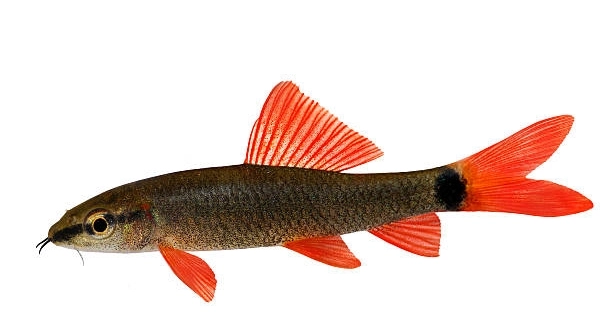
Keeping a rainbow shark tank healthy requires careful attention to water quality, diet, and tank environment. Many aquarium owners want their fish to thrive and avoid common health problems. Proper care is essential for a vibrant aquatic display.
Maintaining a healthy rainbow shark tank involves regular water changes, monitoring water parameters, providing a balanced diet, ensuring adequate tank size, and avoiding overcrowding. These steps reduce stress, prevent disease, and promote overall fish well-being.
Understanding these essential care practices will help you create a stable environment that supports your rainbow shark’s long-term health and happiness.
Keep Water Clean with Regular Changes
Regular water changes are vital to keep your rainbow shark’s tank clean and healthy. Changing 20-30% of the water every week helps remove toxins like ammonia and nitrates, which build up over time. Clean water supports your fish’s immune system and reduces the chance of disease. Use a gravel vacuum to remove waste from the substrate during water changes. Make sure to treat tap water with a water conditioner before adding it back into the tank. This step removes chlorine and other harmful chemicals. Testing the water regularly for pH, ammonia, nitrite, and nitrate levels will help you know when a water change is needed. Keeping these levels stable prevents stress on your fish and encourages a balanced tank environment. Avoid changing too much water at once, as it can shock your fish. Consistency in cleaning routines helps maintain clear water and a healthy tank.
Water changes prevent toxin buildup and maintain stable water conditions. This keeps your rainbow shark comfortable and disease-free.
A clean tank encourages beneficial bacteria to thrive, which helps break down waste naturally. When these bacteria flourish, the tank’s nitrogen cycle remains balanced. This cycle converts harmful ammonia to less toxic substances. Without regular water changes, harmful chemicals build up quickly, harming your fish. Testing kits are affordable and simple to use, so keep one handy. Monitoring water conditions allows you to act before problems start. Combining water changes with proper filtration ensures your rainbow shark’s environment stays healthy and stable for longer periods.
Provide a Balanced Diet
A balanced diet is important for your rainbow shark’s health. Feed a mix of high-quality flakes, pellets, and occasional live or frozen foods. Variety keeps your fish nourished and active.
Feeding small amounts two or three times a day prevents overfeeding and water pollution.
Rainbow sharks are omnivores, so their diet should include both plant matter and protein sources. Offering algae wafers, spirulina-based flakes, and occasional bloodworms or brine shrimp ensures they get all necessary nutrients. Overfeeding can cause excess waste, leading to poor water quality and health issues. Uneaten food should be removed promptly. Monitor your fish’s eating habits and adjust portions as needed. Feeding at consistent times helps maintain a healthy routine. Providing a nutritious diet supports vibrant colors and strengthens the immune system. Balanced feeding also encourages natural behaviors and reduces stress in the tank.
Maintain Proper Tank Size and Setup
Rainbow sharks need enough space to swim and explore. A tank smaller than 30 gallons can cause stress and aggressive behavior. Proper setup includes hiding spots and smooth decorations to prevent injury.
A spacious tank reduces territorial disputes among rainbow sharks and allows them to display natural behaviors. These fish are active swimmers and benefit from long, horizontal tanks. Include plants, caves, and driftwood to create secure areas where they can retreat. Avoid sharp or rough decorations that might harm their delicate fins. Regularly clean the tank to keep surfaces free of algae and debris. Proper lighting and a stable temperature between 74°F and 80°F support their health. Ensuring adequate space and a well-thought-out environment lowers stress and promotes a calm, healthy tank community.
Avoid overcrowding by limiting the number of fish. Too many fish increase waste and cause poor water conditions. A suitable tank setup is key to long-term success and happiness for your rainbow shark.
Monitor Water Parameters Closely
Keeping water parameters within the right range is critical for your rainbow shark’s well-being. Regular testing for pH, ammonia, nitrites, and nitrates ensures a safe environment.
The ideal pH range is between 6.5 and 7.5, while ammonia and nitrites should always be at zero. Nitrate levels should remain below 20 ppm to avoid stress and health problems. Fluctuations outside these ranges can weaken your fish’s immune system and lead to illness. Use reliable test kits and record results to track trends over time. Adjust water conditions gradually if changes are needed to avoid shocking your fish. Maintaining stable parameters supports biological filtration and overall tank balance.
Water quality problems often start with unnoticed shifts in parameters. Acting early can prevent serious health issues and tank crashes. This ongoing care keeps your rainbow shark thriving in its environment.
Avoid Overcrowding the Tank
Too many fish in a tank create stress and competition for resources. Overcrowding leads to poor water quality and increases the risk of disease.
Rainbow sharks are territorial and may become aggressive if the tank is too crowded. Providing enough space reduces conflict and supports healthier fish.
Use a Good Filtration System
A reliable filtration system keeps water clean by removing waste and harmful chemicals. It also promotes the growth of beneficial bacteria, which break down toxins naturally. Choose a filter rated for your tank size, and clean it regularly without disturbing the beneficial bacteria. Good filtration is essential to maintain stable water conditions and support your rainbow shark’s health.
Control Tank Temperature
Maintain the tank temperature between 74°F and 80°F. Sudden changes can stress your rainbow shark and lead to illness. Use a quality heater and a thermometer to monitor temperature consistently.
FAQ
How often should I change the water in my rainbow shark’s tank?
Water changes should be done weekly, replacing about 20-30% of the tank water. This routine helps keep toxins like ammonia and nitrate at safe levels. Regular changes prevent buildup of waste and maintain a stable environment, which is crucial for your rainbow shark’s health.
What is the best diet for a rainbow shark?
Rainbow sharks are omnivores and need a mix of foods. Feed high-quality flakes or pellets daily, supplemented with live or frozen foods like bloodworms or brine shrimp a few times a week. Adding algae wafers or vegetables like zucchini helps provide essential plant nutrients.
Can rainbow sharks live with other fish?
Rainbow sharks can coexist with other peaceful fish if the tank is large enough. Avoid keeping multiple rainbow sharks together unless the tank is very spacious, as they are territorial and can become aggressive. Providing hiding spots helps reduce conflicts.
What water temperature is ideal for rainbow sharks?
The ideal temperature range is between 74°F and 80°F. Keeping temperature stable within this range reduces stress and supports metabolism and immune function. Use a reliable heater and thermometer to monitor and maintain proper temperature.
How do I know if my rainbow shark is stressed?
Signs of stress include hiding excessively, loss of appetite, faded colors, and erratic swimming. Stress often comes from poor water quality, overcrowding, or improper temperature. Addressing these issues quickly improves your fish’s well-being.
Is it necessary to use a water conditioner?
Yes, always use a water conditioner to remove chlorine, chloramines, and heavy metals from tap water before adding it to the tank. These chemicals are harmful to rainbow sharks and can cause health problems if not neutralized.
How large should the tank be for a rainbow shark?
A minimum of 30 gallons is recommended for one rainbow shark. Larger tanks are better, especially if you plan to keep other fish. More space reduces aggression and gives the fish room to swim comfortably.
What kind of filtration system should I use?
Use a filter rated for at least your tank’s volume. Canister filters or hang-on-back filters work well. They provide mechanical, chemical, and biological filtration to keep water clear and free from harmful substances.
How often should I clean the filter?
Clean the filter media once every 2-4 weeks. Rinse it gently in tank water (not tap water) to preserve beneficial bacteria. Over-cleaning or harsh cleaning can reduce bacteria that help break down waste.
Can I keep plants in a rainbow shark tank?
Yes, plants are great for water quality and provide hiding places. Choose sturdy plants like Java fern or Anubias that can tolerate the activity of rainbow sharks. Plants also help reduce nitrate levels naturally.
What should I do if my rainbow shark becomes sick?
First, check water parameters and correct any imbalances. Quarantine the sick fish if possible to prevent spreading disease. Common treatments include medication for parasites or bacterial infections, but consult a vet or fish expert for accurate diagnosis and care advice.
Do rainbow sharks need a night-time dark period?
Yes, a regular light-dark cycle mimics their natural environment and helps regulate behavior. About 10-12 hours of light followed by darkness is ideal. Avoid sudden or constant light, as it can stress your fish.
How can I prevent algae buildup in the tank?
Controlling light exposure and avoiding overfeeding reduce algae growth. Regular water changes and cleaning surfaces help keep algae under control. Adding algae eaters like snails or certain shrimp can also help maintain balance.
What is the lifespan of a rainbow shark?
With proper care, rainbow sharks typically live 5-8 years. Maintaining good water quality, a balanced diet, and a stable environment all contribute to a longer, healthier life.
Are rainbow sharks good beginner fish?
Rainbow sharks require some experience due to their territorial nature and specific water needs. Beginners should be prepared to maintain water quality and provide enough space before choosing this species.
Can rainbow sharks jump out of the tank?
Yes, they are known to jump occasionally. Always use a secure lid to prevent escapes and protect your fish from injury or death outside the tank.
Taking good care of your rainbow shark means paying attention to several important factors. The tank’s cleanliness, water quality, proper diet, and enough space all play a role in keeping your fish healthy. Regular water changes remove harmful waste, while good filtration helps keep the water clear and safe. Monitoring water parameters like pH, ammonia, and nitrate levels is necessary to avoid stressful conditions that can lead to illness. Feeding a balanced diet with both plant-based and protein-rich foods supports your fish’s growth and energy. Making sure your tank is large enough and properly decorated with hiding spots reduces stress and aggressive behavior.
Creating a stable environment benefits not only your rainbow shark but also any other fish living in the same tank. Overcrowding can cause competition and poor water quality, so it is best to limit the number of fish according to tank size. Controlling the temperature within the recommended range helps your fish maintain its natural rhythms and immune defenses. Paying attention to your rainbow shark’s behavior and appearance allows you to spot signs of stress or illness early. With consistent care, your fish will be more vibrant and active, making your aquarium an enjoyable feature.
Overall, caring for a rainbow shark is about maintaining balance and routine. It may require some effort, but the results are rewarding. A well-kept tank leads to a longer, healthier life for your fish and fewer problems to worry about. Following these care guidelines helps prevent common issues before they develop. By staying informed and attentive, you ensure your rainbow shark thrives in a clean, comfortable environment. This thoughtful approach makes all the difference in creating a peaceful and lasting home for your aquatic companion.

Hello,
If you enjoy the content that we create, please consider saying a "Thank You!" by leaving a tip.
Every little bit helps us continue crafting quality advice that supports the health, happiness, and well-being of pets around the world, for pets of all shapes, sizes, and species.
We really appreciate the kindness and support that you show us!