
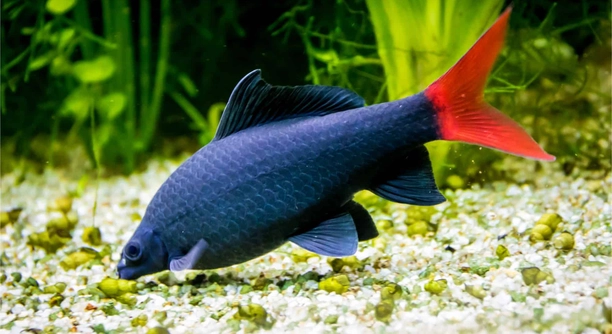
Is your rainbow shark starting to look a little dull, with its vibrant colors fading day by day? Watching your fish lose its shine can be concerning, especially when you’re not sure what’s causing the change.
The most common reasons your rainbow shark is losing color include poor water quality, stress, inadequate diet, illness, and environmental changes. Addressing these factors early is essential to restore its vibrant appearance and overall health.
Understanding these signs can help you catch problems before they get worse and keep your rainbow shark healthy and glowing in your tank.
Poor Water Quality Can Cause Fading
When the water in your tank isn’t clean or balanced, your rainbow shark can quickly start to lose its color. Fish are sensitive to ammonia, nitrite, and nitrate levels, and even slight imbalances can lead to stress. High waste levels, leftover food, or irregular water changes all play a part. Over time, poor water quality can affect your fish’s immune system, leaving it vulnerable to illness. Clean, well-filtered water helps keep your shark’s body functions running smoothly. Regular testing, partial water changes, and careful feeding routines can make a noticeable difference in how your fish looks and feels.
Dirty water often causes stress, which directly impacts your shark’s ability to hold vibrant color. The more stressed it feels, the more likely it is to fade.
Keeping the water clean is one of the most effective ways to protect your rainbow shark’s appearance. Make small, frequent changes instead of large ones to avoid shock. Keep filters clean and check levels weekly with a simple test kit. Make sure your tank isn’t overcrowded, as more fish means more waste. A stable tank helps the fish stay healthy and bright. Clear water isn’t just for looks—it plays a direct role in your shark’s health and coloring.
Stress Affects Their Color
Stress from aggressive tank mates, sudden changes, or even loud noises can trigger a loss of color in your rainbow shark. A calm and stable space helps it stay bright.
Rainbow sharks are territorial by nature. If they feel threatened or are constantly chased by other fish, they’ll often react by hiding or changing color. Too much noise near the tank or frequent rearranging of the decor can also cause anxiety. Even shifting water temperatures or pH levels can lead to stress. It’s important to keep a peaceful tank with proper hiding spots and stable conditions. Make sure your shark has enough space to claim its territory. Monitor its behavior—if it’s hiding more or refusing to eat, these could be early signs of stress. Addressing stress quickly helps prevent long-term effects, including fading color. A calm tank with consistent routines will support its natural behavior and appearance.
Inadequate Diet Can Lead to Dullness
A poor diet lacking essential nutrients is a common reason your rainbow shark may start to lose color. Low-quality food or an unbalanced feeding routine can affect its overall health and make its colors appear faded over time.
Rainbow sharks need a varied and nutrient-rich diet to stay healthy and vibrant. A mix of sinking pellets, algae wafers, and occasional protein sources like bloodworms or brine shrimp supports color development. If you’re only feeding one type of food, your fish may not be getting everything it needs. Look for foods high in carotenoids and spirulina, both of which promote brighter coloring. It’s also important not to overfeed, as uneaten food can harm water quality, adding more stress to the fish. Feed small amounts once or twice daily and remove any leftovers. A strong, consistent diet helps your rainbow shark maintain energy, immunity, and bright color.
If you’ve been feeding your shark the same food for weeks or months, it may be time to switch things up. Even high-quality pellets can fall short without variety. Try rotating food types throughout the week and add live or frozen treats occasionally to improve its overall nutrition. Watch for any changes—improved color often shows within a few weeks.
Illness or Infection May Be the Cause
Faded color can also be an early sign of illness or internal infection. If your rainbow shark is also sluggish, not eating, or showing spots or wounds, it’s best to act quickly.
Infections, parasites, and diseases like ich or bacterial issues can impact your shark’s health and appearance. Many of these conditions affect the skin, gills, or fins first, and color loss often follows. Keep an eye out for symptoms like white spots, clamped fins, labored breathing, or abnormal swimming. If you notice any of these signs, isolate the fish if possible and begin treatment right away. Aquarium salt, temperature adjustments, and medication can help depending on the issue. Test your water to rule out stress from imbalances. Regular maintenance and quarantining new fish before adding them to the tank can prevent many of these illnesses. Early attention and proper care make a big difference in recovery and color restoration.
Poor Lighting Conditions
Rainbow sharks need proper lighting to maintain their natural color. If the tank is too dim or if the lights are old and weak, their appearance can start to fade. Balanced lighting supports both health and visual vibrance.
Use full-spectrum aquarium lighting to help bring out your shark’s true colors. Replace bulbs every 6–12 months.
Aging and Natural Color Changes
As rainbow sharks grow older, it’s normal for their colors to change slightly. Some may become duller over time, especially if they are reaching the end of their lifespan. These shifts are natural and not always a sign of a problem. If your fish is still active, eating well, and behaving normally, then age may be the reason for the change. However, you should still rule out other issues like water quality or diet before assuming it’s due to aging. Keeping up with proper care will help your shark stay as vibrant as possible for as long as it can.
Tank Size Matters
A small tank can limit your rainbow shark’s movement and lead to stress. Limited space can affect both their mood and physical health. A larger tank helps reduce stress and encourages brighter color.
FAQ
Why is my rainbow shark turning pale?
Pale coloring usually means your fish is under stress or not getting enough nutrients. Common causes include poor water quality, an inadequate diet, illness, or unsuitable tank conditions. Check your water parameters first—ammonia, nitrite, and nitrate levels should be near zero. Make sure you’re feeding a balanced diet rich in color-enhancing ingredients like spirulina and carotenoids. Observe your fish for any signs of illness like spots, clamped fins, or sluggishness. Improving tank conditions and nutrition often helps restore color.
How often should I change the water to keep my rainbow shark colorful?
Regular water changes are essential. Aim for 20-30% of the tank water once a week. This helps remove waste, toxins, and excess nutrients that can stress your fish and dull its colors. Avoid large or sudden water changes, as these can shock your fish. Using a good filter and cleaning it regularly supports water quality between changes. Stable and clean water keeps your rainbow shark healthy and colorful.
Can tank mates affect my rainbow shark’s color?
Yes, aggressive or overly active tank mates can stress your rainbow shark. Stress makes them lose color and hide more often. Rainbow sharks are territorial and prefer peaceful companions with plenty of space. Avoid keeping them with fin-nippers or large aggressive fish. Providing hiding spots and enough room can reduce stress and help your fish maintain its bright colors.
What foods are best to enhance my rainbow shark’s colors?
Feed a mix of high-quality sinking pellets with added spirulina, algae wafers, and occasional protein like bloodworms or brine shrimp. Foods rich in carotenoids, such as krill and certain algae, help intensify reds and oranges. Avoid overfeeding, which can harm water quality. Offering variety not only improves color but supports overall health and energy levels.
How can I tell if my rainbow shark is sick?
Look for signs like faded color, clamped fins, white spots, redness, swelling, or unusual swimming patterns. Loss of appetite and hiding more than usual also indicate problems. If you notice these symptoms, test your water and isolate the fish if possible. Early treatment with medication or salt baths may be needed depending on the illness. Prompt care improves recovery chances and helps restore color.
Does lighting really affect my rainbow shark’s color?
Yes, lighting plays a key role in how your fish’s colors show. Full-spectrum aquarium lights mimic natural sunlight and bring out vibrant hues. Too little light makes colors dull, while very intense light can stress your fish. Replace bulbs regularly and provide a balanced day-night cycle to support natural behavior and coloring.
Is it normal for rainbow sharks to lose color as they age?
Some color fading with age is normal. Older fish may show duller colors but can still be healthy. If your fish is active, eating well, and shows no illness signs, aging is likely the cause. Continue good care to keep your rainbow shark comfortable and as colorful as possible.
Can poor water temperature cause color loss?
Yes, temperature outside the ideal range (72–79°F or 22–26°C) can stress your fish and affect its color. Too cold or too warm water disrupts metabolism and immune function. Use a reliable heater and thermometer to keep water stable. Gradual changes are less stressful than sudden shifts. Proper temperature control helps maintain your shark’s vibrant colors.
How much space does a rainbow shark need?
Rainbow sharks need at least a 30-gallon tank to thrive. Limited space causes stress, reduces activity, and can lead to fading color. A larger tank allows natural swimming and territorial behavior, which supports overall health and brightness. Make sure the tank has hiding spots and smooth decorations to avoid injury.
What should I do if my rainbow shark is losing color despite good care?
If your fish’s color fades even with clean water, good food, and proper tank mates, it might be a sign of illness or genetic factors. Consult a vet or an experienced aquarist for advice. Testing water thoroughly and monitoring behavior closely can uncover hidden problems. Sometimes, slow color loss can’t be reversed, but improving care often helps slow the process.
Taking care of a rainbow shark means paying close attention to its environment and health. The colors of your fish tell you a lot about how well it is doing. When you notice your rainbow shark losing its bright colors, it’s often a sign that something needs fixing. Whether it’s water quality, diet, stress, or illness, these factors directly affect your fish’s appearance. Addressing these issues early can help your fish regain its color and stay healthy longer.
Maintaining clean water is one of the simplest but most important steps. Regular water tests and changes keep harmful chemicals at safe levels. Along with water quality, feeding your rainbow shark a varied and balanced diet supports both color and overall well-being. Proper lighting and a peaceful tank environment also contribute to keeping your fish vibrant. Avoid overcrowding and choose compatible tank mates to reduce stress, which can quickly dull your rainbow shark’s colors.
Sometimes, fading color is a natural part of aging or genetic factors, and it doesn’t always mean your fish is unhealthy. Still, good care helps your rainbow shark live a comfortable life and keeps it looking its best for as long as possible. Observing your fish daily and reacting to any changes in behavior or appearance will give you the best chance to catch problems early. Consistent attention to water, food, and tank conditions will keep your rainbow shark bright and thriving.

Hello,
If you enjoy the content that we create, please consider saying a "Thank You!" by leaving a tip.
Every little bit helps us continue crafting quality advice that supports the health, happiness, and well-being of pets around the world, for pets of all shapes, sizes, and species.
We really appreciate the kindness and support that you show us!