
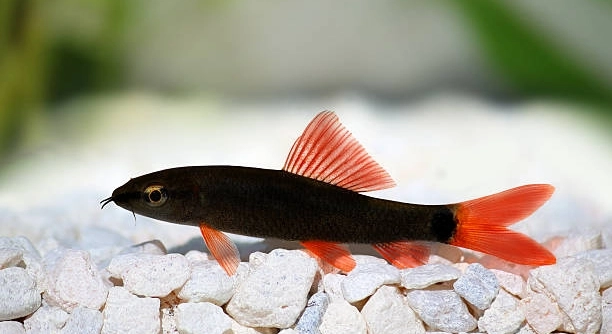
Rainbow sharks are popular freshwater fish known for their striking colors and active behavior. Sometimes, their colors change, which can be concerning for owners who want their fish to look vibrant and healthy. Understanding why this happens is important for proper care.
Rainbow shark color change can result from factors such as stress, poor water quality, inadequate diet, illness, aging, tank conditions, or aggressive tank mates. Each cause affects the fish’s pigmentation differently and requires specific corrective measures to restore normal coloration.
Knowing the reasons behind these color changes helps maintain a healthy environment for your rainbow shark. The following information explains each cause and offers solutions to keep your fish looking its best.
Stress and Its Impact on Color
Stress is one of the most common reasons a rainbow shark’s colors start to fade or change. Changes in the environment, such as sudden loud noises, frequent tapping on the tank, or moving the fish to a new home, can cause stress. Stress weakens the immune system and affects the fish’s ability to maintain vibrant colors. Overcrowding in the tank is another major factor. When too many fish share the same space, rainbow sharks may feel threatened or overwhelmed, leading to color dullness. Additionally, improper handling during tank cleaning or transport can also increase stress levels. Paying attention to these stress factors is crucial because long-term stress can result in illness or even death. Creating a calm and stable environment allows the fish to recover and regain its natural color.
Stress affects fish health by disrupting normal behavior and lowering immunity, which leads to less vibrant colors.
To reduce stress, keep the tank quiet and stable. Avoid sudden changes in water temperature or lighting. Provide hiding spots like plants or caves so the fish feels secure. Make sure the tank is not overcrowded by following recommended stocking levels. Handle the fish gently when necessary, and maintain a regular cleaning schedule without disturbing the tank too often. These steps help your rainbow shark feel safe and improve its color naturally over time.
Poor Water Quality
Poor water quality quickly impacts the appearance and health of rainbow sharks. Dirty or contaminated water causes stress and can trigger color changes, often making the fish look dull or faded. High levels of ammonia, nitrites, or nitrates are toxic and damage the skin and gills. Additionally, improper pH levels and temperature fluctuations add to the problem. Rainbow sharks thrive in clean water with stable conditions, so regular testing is essential. Water changes help remove harmful substances and replenish minerals that support bright coloration. Filtration systems play a vital role in maintaining water clarity and quality. Neglecting water quality affects more than just color; it can lead to disease and shorter life expectancy. Keeping water parameters stable is key to preserving the fish’s vivid appearance and overall well-being.
Inadequate Diet
A poor diet directly affects the coloration of rainbow sharks. Without the right nutrients, their colors will fade, and health may decline.
Rainbow sharks need a balanced diet rich in proteins, vitamins, and carotenoids to maintain their bright colors. Foods like high-quality pellets, frozen or live bloodworms, and brine shrimp provide essential nutrients. Carotenoids, found in some fish foods, enhance red and orange pigmentation, which is vital for rainbow sharks. Feeding only one type of food or low-quality flakes can cause color loss and weaken the immune system. It is important to vary the diet and offer nutritious meals regularly to support their health and appearance.
Overfeeding or underfeeding can also cause problems. Excess food leads to poor water quality, increasing stress. On the other hand, insufficient food means the fish lacks energy and nutrients, which reduces color vibrancy. Monitoring feeding amounts and frequency keeps the fish healthy and colorful.
Illness and Parasites
Illness and parasites often cause sudden or patchy color changes in rainbow sharks. They can damage the skin and reduce pigmentation.
Common diseases include bacterial infections, fungal infections, and parasitic infestations. These conditions may appear as spots, discoloration, or overall dullness. Ill fish often hide, lose appetite, or show unusual behavior, which are signs to watch for. Parasites can attach to the skin or gills, causing irritation and inflammation that affect color.
Treatment depends on the specific illness or parasite. Quarantine affected fish and use appropriate medications as recommended. Keeping the tank clean and stress-free supports recovery. Preventing disease with good water quality and diet reduces the chance of color loss caused by illness.
Aging
As rainbow sharks grow older, their colors naturally fade. This gradual change is part of their life cycle and does not usually indicate illness or poor care.
Older fish may display less vibrant colors, but they can still be healthy and active. Providing good care helps them maintain their appearance longer.
Tank Conditions
The size and setup of the tank affect rainbow shark coloration. Small or poorly decorated tanks can stress the fish and cause color fading.
Rainbow sharks need enough space to swim freely and hiding spots to feel secure. A tank of at least 30 gallons with plants, rocks, or caves helps create a comfortable environment. Proper lighting also plays a role in showing their true colors.
Aggressive Tank Mates
Aggressive or territorial tank mates can stress rainbow sharks, causing them to lose their bright colors. Constant chasing or fighting affects their well-being.
Avoid housing rainbow sharks with overly aggressive fish. Choose peaceful companions to keep the tank calm and colorful.
FAQ
Why is my rainbow shark turning pale?
A pale rainbow shark often signals stress, poor water quality, or inadequate diet. Stress can come from overcrowding, sudden changes in the tank, or aggressive tank mates. Poor water quality, including high ammonia or nitrite levels, harms their skin and gills, causing color loss. An unbalanced diet lacking essential nutrients also leads to fading colors. Checking and correcting these factors usually helps restore their natural vibrancy.
How can I improve my rainbow shark’s color?
Improving color starts with maintaining excellent water conditions through regular water changes and filtration. Feeding a varied diet rich in proteins and carotenoids supports pigmentation. Reducing stress by providing hiding places and peaceful tank mates is also important. Stable temperature and proper lighting further enhance their colors. Consistency in care keeps your fish healthy and colorful.
Can disease cause color change in rainbow sharks?
Yes, illnesses like bacterial infections or parasites can cause discoloration or patchy spots. These conditions irritate the skin and disrupt pigmentation. If you notice sudden color changes accompanied by lethargy or unusual behavior, treating the illness quickly with proper medication is essential. Quarantining the affected fish prevents the spread of disease.
Does tank size affect rainbow shark coloration?
Tank size matters because rainbow sharks are active swimmers that need room to move. A cramped tank stresses them and causes color fading. Providing at least 30 gallons allows them to explore and reduces stress. Proper tank setup with plants and hiding spots further supports their well-being and bright colors.
Why does my rainbow shark change color at night?
It’s normal for rainbow sharks to darken or appear less colorful at night. This natural change helps them blend into their environment for protection. Colors usually return to normal during the day under proper lighting and calm conditions.
Is it normal for older rainbow sharks to lose color?
Yes, aging naturally dulls rainbow shark colors over time. This doesn’t mean the fish is unhealthy but reflects its life cycle. Good care can slow this fading and keep your fish active and comfortable throughout its life.
How often should I feed my rainbow shark to maintain color?
Feeding your rainbow shark once or twice daily with a balanced diet is best. Overfeeding can harm water quality, while underfeeding reduces nutrient intake, both affecting color. Small, frequent meals help maintain health and vibrant pigmentation.
Can tank mates cause my rainbow shark’s color to fade?
Aggressive or territorial tank mates stress rainbow sharks, causing dull colors. Choosing peaceful companions reduces conflict and helps maintain bright coloration. Monitor interactions and separate fish if aggressive behavior occurs.
What water parameters are ideal for rainbow shark color?
Rainbow sharks thrive in water with temperatures between 72–79°F (22–26°C), pH levels of 6.5–7.5, and low ammonia, nitrite, and nitrate concentrations. Stable, clean water with proper filtration supports healthy skin and bright colors.
How quickly can a rainbow shark’s color return after fixing problems?
Color improvement depends on the cause and fish health. With proper care, noticeable changes may appear within a few weeks. Severe stress or illness might require longer recovery. Patience and consistent tank maintenance are key to restoring vibrancy.
Rainbow sharks are beautiful fish that add bright color and activity to any freshwater tank. Their vibrant appearance can change for many reasons, ranging from simple stress to water quality issues or health problems. Understanding these causes helps keep your fish healthy and colorful. By paying attention to their environment, diet, and companions, you can avoid most issues that cause color fading or changes. This care improves the fish’s quality of life and makes your aquarium more enjoyable to watch.
Maintaining a stable and clean environment is one of the most important steps in preserving rainbow shark coloration. Regular water testing and changes remove harmful substances that affect the fish’s health and color. Feeding a balanced diet rich in proteins and pigments supports their natural hues. Also, keeping stress levels low by avoiding overcrowding and aggressive tank mates allows the fish to display its true colors. When illness or parasites appear, early treatment is essential to prevent lasting damage. The combination of proper tank conditions, nutrition, and health care provides the best chance for your rainbow shark to maintain its bright appearance.
Color changes may also be part of the fish’s natural aging process, which is normal and expected. While older fish may not be as vibrant as younger ones, they still contribute beauty and life to your aquarium. Overall, consistent care and attention to your rainbow shark’s needs will help prevent unwanted color changes and ensure a longer, healthier life. These simple steps allow you to enjoy the stunning colors of your fish for many years.

Hello,
If you enjoy the content that we create, please consider saying a "Thank You!" by leaving a tip.
Every little bit helps us continue crafting quality advice that supports the health, happiness, and well-being of pets around the world, for pets of all shapes, sizes, and species.
We really appreciate the kindness and support that you show us!