
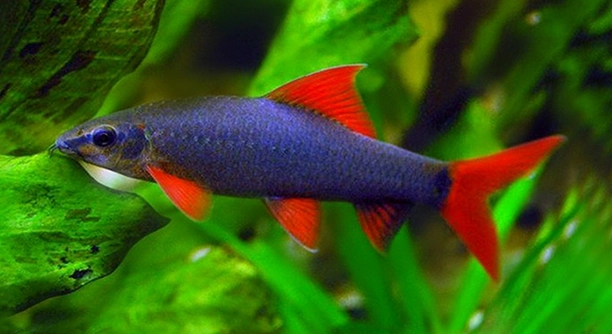
Rainbow Sharks are popular aquarium fish known for their active swimming and striking colors. Sometimes, these fish may swim oddly, which can be worrying for their owners. Understanding why this happens is important for their health.
When a Rainbow Shark is not swimming correctly, common causes include water quality issues, swim bladder problems, stress, or injury. Proper diagnosis and treatment can restore normal swimming behavior and improve the fish’s overall well-being.
Learning about these fixes can help maintain a healthy environment for your Rainbow Shark and keep it swimming smoothly in your tank.
Poor Water Quality
Maintaining clean water is essential for a Rainbow Shark’s health. Dirty or polluted water can cause stress and affect their swimming ability. Ammonia, nitrite, and nitrate levels should be checked regularly because even small changes can harm your fish. If the water is cloudy or has a strong smell, it’s time for a water change. Using a good filter helps keep the water clear and balanced. Remember to test the water parameters weekly and adjust as needed. Sudden changes in water temperature or pH can also cause your Rainbow Shark to swim oddly. Keeping a stable environment reduces stress and supports healthy swimming. Regular tank maintenance is key to preventing these problems.
Poor water conditions not only affect swimming but can also lead to diseases, making it harder for your fish to recover.
Good water care keeps your Rainbow Shark active and comfortable. It’s a simple way to avoid many common swimming problems and promote overall health in your aquarium.
Swim Bladder Issues
Swim bladder problems can cause your Rainbow Shark to lose balance or swim strangely.
Swim bladder disease affects a fish’s ability to control buoyancy, making it float or sink uncontrollably. It can happen because of infections, constipation, or injury. Overfeeding or feeding improper food can lead to constipation, which presses on the swim bladder. To help, try fasting your fish for a day or two and then feeding high-fiber foods like peas. If the problem continues, a water change and checking water quality are important steps. Sometimes, swim bladder issues are linked to bacterial infections and may require medication prescribed by a vet or fish expert. Avoid sudden movements or stressing your fish during this time, as it can worsen the problem. Proper care and a good diet usually improve swim bladder health and restore normal swimming.
Stress and Overcrowding
Stress can make a Rainbow Shark swim erratically or hide more than usual. Overcrowded tanks cause stress by limiting space and increasing aggression.
When too many fish share a small tank, Rainbow Sharks may feel threatened or stressed, affecting their swimming. They need room to explore and establish territory. Stress weakens their immune system, making them prone to illness. To reduce stress, keep the tank clean, provide hiding spots, and avoid sudden loud noises or rapid movements near the tank. Consider the tank size carefully—at least 55 gallons is recommended for one Rainbow Shark to thrive. Reducing overcrowding improves their swimming behavior and overall well-being.
Adding peaceful tank mates and maintaining stable water conditions also help reduce stress and keep your fish comfortable.
Injury and Disease
Physical injuries from sharp decorations or aggressive tank mates can cause swimming problems.
Illnesses like bacterial infections or parasites may also affect movement. Infected fish might swim sideways or float awkwardly. Look for signs like faded color, spots, or frayed fins. Injuries should be treated by removing harmful objects and isolating the injured fish to prevent further harm. For diseases, using aquarium-safe medications after identifying the problem is crucial. Early detection improves recovery chances. Keep the tank clean and maintain good water quality to avoid infections. Regular observation helps catch injuries or illness before they worsen. Proper care supports healing and restores normal swimming behavior.
Improper Diet
A poor diet can cause swim problems in Rainbow Sharks. Feeding too much or too little affects their health and movement.
A balanced diet with varied foods supports their energy and swim bladder function. Avoid overfeeding to prevent constipation and related issues.
Temperature Fluctuations
Sudden changes in water temperature can disturb your Rainbow Shark’s swimming. Stable temperatures between 74°F and 80°F are ideal.
Keep the tank heater steady and avoid placing the aquarium near windows or vents. Temperature swings cause stress and affect their balance and activity.
Lack of Exercise
Rainbow Sharks need enough space to swim actively. Small or overcrowded tanks limit movement and cause sluggishness or odd swimming.
Providing a large tank with hiding spots encourages natural swimming behavior. Regular exercise keeps their muscles strong and swim bladder healthy.
Poor Tank Setup
Sharp decorations or rough surfaces can injure your Rainbow Shark, affecting how it swims.
Use smooth, rounded decorations and plants to create a safe environment that supports healthy swimming.
FAQ
Why is my Rainbow Shark swimming upside down?
Swimming upside down usually means your Rainbow Shark has a swim bladder issue. This can be caused by constipation, infection, or injury. Overfeeding or poor water quality often leads to this problem. Fasting your fish for a day or two and feeding peas can help with constipation. Make sure the water is clean and stable. If the problem continues, medication or a vet visit may be needed.
How often should I change the water for my Rainbow Shark?
Water changes are important for healthy swimming. It’s best to change 20-30% of the water every week. This keeps ammonia, nitrites, and nitrates at safe levels. Frequent small changes are better than one big change. Test your water regularly to know when to change it. Clean water reduces stress and supports normal swimming.
Can stress make my Rainbow Shark stop swimming?
Yes, stress can make your Rainbow Shark stop swimming or hide a lot. Stress comes from overcrowding, loud noises, sudden movements, or poor water conditions. Reducing these stressors improves their behavior. Providing hiding spots and a peaceful environment helps your fish feel safe and swim normally.
What is the ideal tank size for a Rainbow Shark?
A minimum of 55 gallons is recommended for one Rainbow Shark. They need space to swim and claim territory. Smaller tanks cause stress and swimming problems. A bigger tank with hiding spots and open swimming areas helps keep your fish active and healthy.
How do I know if my Rainbow Shark has a disease?
Look for faded colors, clamped fins, white spots, or frayed fins. Swimming oddly or floating can also be signs of illness. Diseases often follow poor water quality or stress. Early treatment with aquarium-safe medicine and clean water is important. Isolate sick fish to prevent spreading.
Can diet affect my Rainbow Shark’s swimming?
Yes, diet plays a big role in swimming health. Overfeeding causes constipation, which can press on the swim bladder. Feeding a balanced diet with pellets, vegetables, and occasional protein helps. Avoid too many fatty or low-quality foods. Proper nutrition keeps them active and swimming well.
What temperature should I keep my Rainbow Shark’s tank at?
Keep the tank between 74°F and 80°F. Temperature outside this range stresses your fish and affects swimming. Use a reliable heater and thermometer. Avoid placing the tank near drafts or direct sunlight to prevent sudden temperature changes.
Can injuries affect my Rainbow Shark’s swimming?
Injuries from sharp objects or aggressive tank mates can make your Rainbow Shark swim awkwardly. Check the tank for harmful decorations. Remove any sharp or rough items. If injured, isolate the fish and treat wounds if possible. Healing supports normal movement.
How do I reduce aggression in a tank with a Rainbow Shark?
Rainbow Sharks can be territorial, especially in small tanks. To reduce aggression, provide plenty of hiding spots and space. Avoid keeping multiple Rainbow Sharks in small tanks. Choose peaceful tank mates. Keeping the tank clean and stress-free also lowers aggression levels.
Is it normal for Rainbow Sharks to hide often?
Yes, hiding is normal if they feel stressed or threatened. Too much hiding can indicate stress, illness, or poor water quality. Providing plants and decorations for shelter helps them feel safe. Monitor their behavior to make sure they swim actively when comfortable.
Final Thoughts
Rainbow Sharks are lively and beautiful fish that bring energy to any aquarium. When they swim incorrectly, it can be worrying, but most causes are easy to fix with some care and attention. Keeping the water clean and stable is one of the most important steps you can take. Regular water changes and checking water quality keep your fish healthy and active. Stress and injuries also play a big role in swimming problems, so creating a calm environment with enough space and safe decorations is key.
Feeding your Rainbow Shark a balanced diet helps keep its swim bladder healthy and supports overall well-being. Overfeeding or giving the wrong foods can lead to constipation, which makes swimming difficult. Providing varied foods like pellets, vegetables, and occasional protein makes a big difference. Watching your fish for signs of illness or injury is important too. Early detection and treatment help prevent small problems from becoming serious. Sometimes, medical help or medication may be needed, but simple steps often improve your fish’s swimming and health.
Lastly, remember that your Rainbow Shark needs room to swim freely and feel safe in its tank. A tank that is too small or overcrowded can cause stress and affect behavior. Providing hiding spots and choosing peaceful tank mates also helps reduce stress and aggression. Paying attention to these factors creates a happy home for your fish. By understanding and addressing the reasons behind swimming problems, you can enjoy watching your Rainbow Shark move with its usual grace and energy. Regular care and observation are the best ways to keep your fish healthy and swimming well.

Hello,
If you enjoy the content that we create, please consider saying a "Thank You!" by leaving a tip.
Every little bit helps us continue crafting quality advice that supports the health, happiness, and well-being of pets around the world, for pets of all shapes, sizes, and species.
We really appreciate the kindness and support that you show us!