
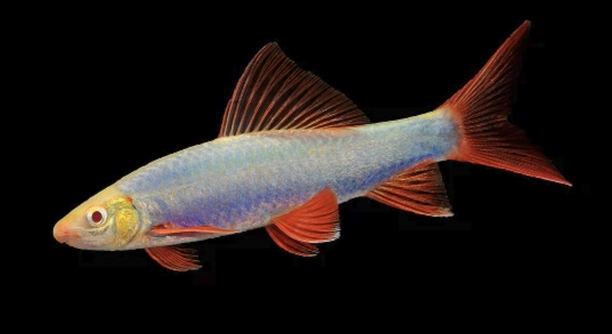
Rainbow sharks are popular aquarium fish known for their striking appearance and active behavior. Like many aquatic pets, they can experience stress from changes in their environment or care. Managing this stress is important for their health and longevity.
Preventing rainbow shark stress involves maintaining stable water conditions, providing adequate space, ensuring a balanced diet, minimizing sudden changes, reducing aggressive tank mates, offering hiding spots, and monitoring their behavior regularly. These practices promote a calm and healthy habitat.
Understanding these simple yet effective tips can help keep your rainbow shark comfortable and thriving. Proper care makes a significant difference in their overall well-being.
Maintain Stable Water Conditions
Keeping water conditions stable is essential to reduce stress in rainbow sharks. They are sensitive to sudden changes in temperature, pH, and ammonia levels. Frequent testing helps catch problems early. Regular water changes also prevent toxin buildup. Use a reliable heater and filter to keep the environment consistent. Avoid overcrowding the tank, which can cause rapid changes in water quality. When introducing new decorations or plants, make sure they are safe and clean. Stable water conditions create a calm space for your fish to thrive. Paying attention to these details prevents stress-related illness and promotes long-term health.
Consistent water conditions keep rainbow sharks active and less prone to stress. Proper filtration and regular monitoring are key.
Keeping water stable involves more than just routine checks. It means understanding how temperature fluctuations affect the fish’s metabolism and behavior. Rainbow sharks thrive in slightly acidic to neutral pH, usually between 6.5 and 7.5. Temperatures should stay between 74°F and 80°F to mimic their natural habitat. Ammonia and nitrite must always be near zero. If the levels rise, it can cause irritation and weaken their immune system. Water changes of 20-25% weekly help maintain cleanliness. Using a quality filter reduces debris and waste. If you notice stress signs like hiding or loss of color, check your water parameters first. Consistency provides a healthy foundation for your rainbow shark’s wellbeing.
Provide Adequate Space and Hiding Spots
Rainbow sharks need enough room to swim freely. A tank of at least 30 gallons is recommended to prevent overcrowding and reduce territorial disputes. Hiding places are also crucial. Plants, caves, and decorations offer safe spaces where the fish can retreat when feeling threatened. Without these, they can become anxious and stressed. Proper tank setup encourages natural behaviors and helps them feel secure.
Creating an environment with plenty of swimming space and shelter reduces tension. It supports your fish’s physical and mental health.
A spacious tank allows rainbow sharks to establish territories without constant conflict. They can explore and rest in hiding spots, which lowers stress levels significantly. Decorations should be arranged to provide visual barriers between fish, minimizing aggressive encounters. Avoid sharp objects that might injure them during quick movements. Live plants not only offer shelter but also improve water quality by absorbing nitrates. Using gentle lighting can also reduce stress, as bright lights may cause discomfort. Observing your fish’s behavior can guide you in adjusting the tank layout for their comfort. A well-thought-out habitat keeps rainbow sharks calm and healthy.
Balanced Diet and Feeding Routine
Feeding rainbow sharks a balanced diet is essential for reducing stress. Overfeeding or underfeeding can cause health issues and stress behaviors.
Rainbow sharks are omnivores and need a mix of protein and plant-based foods. High-quality sinking pellets or wafers designed for bottom feeders should be the main part of their diet. Supplement this with occasional treats like bloodworms, brine shrimp, or vegetables such as zucchini and peas. Feeding once or twice daily in small amounts prevents uneaten food from polluting the tank, which can raise ammonia levels and stress the fish. Avoid sudden changes in diet, as this can upset their digestive system and cause discomfort. Keeping a regular feeding schedule also helps maintain their natural rhythms and energy levels.
Consistent, balanced feeding promotes healthy growth and reduces aggression. It helps maintain water quality by preventing excess waste. Monitoring their appetite can also indicate overall health. If a fish stops eating, it may be a sign of stress or illness that needs attention.
Minimize Sudden Changes and Stressors
Sudden changes in the tank environment can cause rainbow sharks to become stressed quickly. Avoid abrupt shifts in water temperature, lighting, or tank layout.
Consistency is key when caring for rainbow sharks. Sudden changes, like rearranging decorations or changing water parameters too fast, disrupt their sense of security. Gradual transitions give them time to adapt without panic. Noise and vibrations around the tank should be kept to a minimum, as rainbow sharks are sensitive to disturbances. Moving or tapping the glass can startle them and increase stress levels. When performing maintenance, try to keep the routine predictable and calm to avoid unnecessary anxiety. Creating a stable and quiet environment supports their well-being.
Reduce Aggressive Tank Mates
Aggressive fish can cause constant stress for rainbow sharks. Choose peaceful tank mates to maintain harmony.
Avoid keeping rainbow sharks with overly aggressive or territorial species. Peaceful community fish that occupy different tank levels work best. This reduces conflicts and allows your rainbow shark to swim freely without fear or stress.
Monitor Behavior Regularly
Watching your rainbow shark’s behavior helps detect early signs of stress or illness. Changes in activity, appetite, or coloration can signal problems that need attention.
Use Proper Lighting
Bright or inconsistent lighting may stress rainbow sharks. Use gentle lighting and maintain a consistent day-night cycle to create a calm environment.
Provide Hiding Spots for Comfort
Hiding places offer rainbow sharks security during stressful moments. Include caves, plants, and decorations to help them feel safe and relaxed.
FAQ
How can I tell if my rainbow shark is stressed?
Stress in rainbow sharks often shows through behavioral changes. They may hide more than usual, lose their bright colors, or stop eating. Some fish become aggressive or overly restless when stressed. Look for rapid gill movement or clamped fins. These signs suggest the fish is uncomfortable or unwell, and it’s important to check water quality and tank conditions right away.
What causes stress in rainbow sharks?
Common causes include poor water quality, sudden changes in temperature or pH, overcrowding, and aggressive tank mates. Lack of hiding spots or inadequate space can also lead to stress. Overfeeding or an inconsistent diet may upset their digestive system, contributing to their discomfort. Stress results from an environment that does not meet their needs or feels unsafe.
How often should I test my aquarium water?
Testing water weekly is ideal for rainbow sharks. Frequent checks help catch issues early, especially with ammonia, nitrite, nitrate levels, pH, and temperature. If any parameter goes outside the safe range, immediate action is needed. Regular water changes support stable conditions, keeping your fish healthy and less stressed.
Can poor diet cause stress?
Yes, an unbalanced diet or irregular feeding schedule can stress rainbow sharks. They need a mix of proteins and plants for good health. Overfeeding leads to excess waste, which harms water quality and causes stress. Underfeeding weakens their immune system. Feeding the right amount of nutritious food regularly helps prevent stress.
Are rainbow sharks aggressive?
Rainbow sharks can be territorial, especially if the tank is too small or crowded. Aggression often results from stress or lack of space. Providing enough room and hiding spots reduces fights. Pairing them with peaceful, non-territorial fish lowers aggression and promotes a calm environment.
What tank size is best to prevent stress?
A minimum of 30 gallons is recommended for one rainbow shark. Larger tanks allow them to establish territory without constant conflict. More space reduces stress caused by overcrowding and aggression. If you keep multiple fish, increase the tank size accordingly to avoid territorial disputes.
How can I reduce stress during tank maintenance?
Keep maintenance routines calm and consistent. Avoid sudden changes in water parameters. Use gentle water flow and temperature matching when adding new water. Minimize noise and vibrations near the tank. Perform partial water changes rather than full ones to maintain stability. Predictable care helps your rainbow shark stay relaxed.
Do rainbow sharks need hiding places?
Yes, hiding spots are essential. They provide refuge when the fish feels threatened or stressed. Caves, plants, and decorations create safe zones where they can retreat. Without these, rainbow sharks may become anxious and show signs of stress. Offering hiding places mimics their natural environment and promotes comfort.
Can lighting affect stress levels?
Improper lighting can cause discomfort. Too bright or constantly changing light stresses rainbow sharks. Using soft, steady lighting with a regular day-night cycle helps maintain a calm atmosphere. Adjusting light intensity according to their needs supports their natural behavior and reduces stress.
What should I do if my rainbow shark shows signs of stress?
First, test water quality and correct any issues. Check tank mates and space to ensure compatibility. Make sure the diet is balanced and feeding is consistent. Add hiding places if necessary. Reduce noise and sudden changes around the tank. If stress signs persist, consider consulting a veterinarian or experienced aquarist. Early intervention improves recovery chances.
Taking good care of a rainbow shark means paying close attention to its environment and needs. Stress can harm these fish, making them less active, sick, or even shorten their lifespan. By keeping water conditions stable, providing enough space, and offering proper food, you help create a safe place for your fish to live. Small changes in the tank, like adding hiding spots or choosing peaceful tank mates, also make a big difference. These efforts keep your rainbow shark calm and healthy.
Regular monitoring is important. Watching your rainbow shark’s behavior lets you notice early signs of stress or illness. If you see changes like loss of color, hiding, or a loss of appetite, it may mean something in the tank is wrong. Testing water quality weekly and maintaining a clean tank helps prevent many problems. When you follow a feeding routine and avoid sudden changes, your fish will adapt better and stay balanced. Careful attention helps avoid unnecessary stress and keeps the fish thriving for years.
Ultimately, understanding the needs of rainbow sharks leads to better care. Their natural behavior and environment should guide your setup and routine. Stress is often caused by factors that can be controlled, such as water quality, diet, and tank companions. By making your aquarium a stable and comfortable home, you support your fish’s well-being. Consistent care, patience, and observation ensure your rainbow shark lives a healthy and less stressful life. This creates a rewarding experience for both you and your aquatic pet.

Hello,
If you enjoy the content that we create, please consider saying a "Thank You!" by leaving a tip.
Every little bit helps us continue crafting quality advice that supports the health, happiness, and well-being of pets around the world, for pets of all shapes, sizes, and species.
We really appreciate the kindness and support that you show us!