
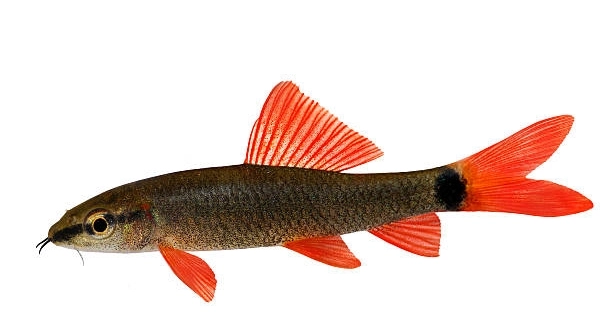
Rainbow sharks are popular aquarium fish known for their bright colors. Sometimes, their vivid hues start to fade, which can worry fish owners. Understanding why this happens helps keep these fish healthy and colorful over time.
Color loss in rainbow sharks is often caused by poor water quality, inadequate diet, stress, illness, improper lighting, tank overcrowding, or aging. Addressing these factors through proper care and environment adjustments can restore and maintain their vibrant colors.
Knowing the causes of color loss can help you take steps to improve your fish’s appearance and well-being. The following tips will guide you in reversing this common issue effectively.
Poor Water Quality and Its Impact
Water quality is one of the most important factors affecting the color of rainbow sharks. When the water in the tank is dirty or has high levels of ammonia, nitrites, or nitrates, the fish can become stressed. This stress often leads to dull colors. Maintaining clean water means performing regular water changes and monitoring the water parameters. Using a good filtration system helps keep the water stable. If the water quality is poor for too long, the fish’s immune system weakens, making it more vulnerable to diseases, which also affects color. Clear and balanced water supports the fish’s natural brightness, making their colors stand out. Keeping the water clean is a simple but essential step to keep your rainbow shark healthy and colorful.
Regular water testing and changes keep your tank environment safe and colorful for your rainbow shark.
Improving water quality involves testing ammonia, nitrites, and nitrates regularly. Change 20-30% of the tank water weekly to remove toxins. Avoid overcrowding the tank, as too many fish increase waste. Use a reliable filter that suits your tank size. Consider adding beneficial bacteria to help break down harmful substances. Keep the tank free of uneaten food and debris. These steps reduce stress on your fish and help restore their color naturally over time.
Inadequate Diet and Nutrition
A poor diet can cause rainbow sharks to lose their vibrant colors. These fish need a balanced diet rich in protein and vitamins, especially carotenoids, which help enhance their red and orange shades. Feeding only flakes or low-quality food often results in faded colors. Including a variety of foods like pellets, frozen or live foods such as bloodworms, brine shrimp, and vegetables can improve their appearance. Vitamins and supplements designed for aquarium fish can also help. Overfeeding should be avoided because it can cause health problems and dirty the tank. Feeding small amounts two to three times a day is best to maintain health and color. Providing the right nutrition supports natural pigmentation and overall well-being.
Proper diet is essential for maintaining vibrant color and a healthy rainbow shark.
To improve your rainbow shark’s diet, introduce a mix of high-quality pellets, frozen foods, and occasional live treats. Foods rich in carotenoids support their natural red and orange hues. Supplementing with vitamin-enriched flakes or tablets strengthens their immune system and coloration. Avoid feeding only one type of food to prevent nutritional deficiencies. Also, remove any uneaten food to keep the tank clean and prevent water quality problems. Feeding smaller, frequent meals helps with digestion and reduces waste. A well-balanced diet is a simple but effective way to bring back your fish’s bright colors and keep it lively.
Stress and Its Effects on Color
Stress causes rainbow sharks to lose their bright colors quickly. Common stress sources include sudden changes in the tank, aggressive tank mates, or poor water conditions. When stressed, fish focus on survival, not color.
Stress weakens the immune system, making fish more vulnerable to illness. A stressed rainbow shark may hide or swim erratically. To reduce stress, keep the tank stable with consistent temperature and water quality. Avoid overcrowding and choose peaceful companions. Adding hiding spots like plants or decorations helps fish feel secure. A calm environment allows colors to return naturally and keeps fish healthy.
Regular observation helps spot stress early. React quickly to changes by improving water quality or adjusting tank conditions. Less stress means brighter, healthier fish.
Illness and Disease
Illness often causes color fading in rainbow sharks. Parasites, bacterial infections, or fungal diseases can damage skin and scales, dulling colors. Sick fish may also show other signs like lethargy or loss of appetite.
Treating illness promptly is essential to restore color and health. Quarantine new fish to avoid spreading disease. Keep the tank clean and maintain good water quality to prevent infections. Use appropriate medications as directed when illness is diagnosed. Sometimes, dietary support helps recovery by boosting the immune system. Healthy fish regain their natural colors faster.
Watch for symptoms such as white spots, redness, or unusual behavior. Early treatment protects your fish’s color and life.
Improper Lighting
Rainbow sharks need proper lighting to show their true colors. Too little light makes their colors fade, while too much light can stress them. A balanced light schedule, around 8 to 10 hours a day, works best to keep colors vibrant.
Using a full-spectrum aquarium light helps mimic natural daylight. Avoid placing the tank in direct sunlight, which can cause algae growth and stress. Adjust lighting gradually if changing the setup to prevent shock. Consistent, appropriate lighting supports the fish’s natural color and health over time.
Tank Overcrowding
Overcrowding causes competition for space, food, and oxygen. This leads to stress and dull colors. Keeping the tank less crowded helps rainbow sharks stay calm and colorful.
A spacious tank with enough hiding places reduces aggression. It’s important to follow recommended tank sizes for your fish population.
Aging and Natural Color Changes
As rainbow sharks age, their colors may naturally become less intense. This gradual fading is normal and does not usually indicate a health problem. Older fish might still be healthy but show softer hues.
FAQ
Why is my rainbow shark losing color suddenly?
Sudden color loss usually points to stress or poor water quality. Changes in water temperature, pH levels, or a dirty tank can shock your fish. It’s important to test your water and maintain stable conditions. Also, check for signs of illness or bullying from tank mates that might stress your shark.
How can I improve my rainbow shark’s color quickly?
Focus on improving water quality by performing partial water changes and using a good filter. Feed a varied, nutrient-rich diet, including foods with natural color enhancers like carotenoids. Adjust lighting to a balanced schedule and reduce any sources of stress, such as aggressive fish or overcrowding.
What foods help bring back rainbow shark colors?
Foods rich in carotenoids, such as shrimp, krill, and specially formulated pellets, help enhance red and orange colors. Live or frozen bloodworms and brine shrimp are also beneficial. Avoid feeding only flakes or cheap food, as they lack essential nutrients needed for color vibrancy.
Can lighting really affect my fish’s color?
Yes, lighting plays a big role in fish coloration. Rainbow sharks need moderate, full-spectrum lighting for about 8 to 10 hours daily. Too much light causes stress, while too little makes their colors fade. Avoid direct sunlight to prevent algae growth and sudden temperature changes.
Is tank size important for color retention?
Definitely. Overcrowded tanks create stress and competition for food and oxygen, which dulls color. Providing enough space and hiding spots keeps your fish calm and healthy, allowing their colors to stay bright.
Can illness cause color loss in rainbow sharks?
Yes, diseases like parasites, bacterial infections, or fungi can damage the skin and scales, causing fading. Look for additional symptoms like lethargy, white spots, or unusual behavior. Early treatment is crucial to restore color and health.
How often should I change water to keep my fish colorful?
Changing 20-30% of the tank water weekly is recommended. This helps remove toxins and keeps water parameters stable. Frequent water changes prevent buildup of harmful substances that stress fish and cause color loss.
Will aging always cause my rainbow shark to lose color?
Aging can cause a natural fade in color over time, but it’s usually gradual. If the fish is active and healthy, this softening of hues is normal. Sudden or severe color loss is more likely related to environmental or health issues.
Are stress and color loss always linked?
Stress directly impacts fish color by affecting their immune system and behavior. Causes include poor water quality, aggressive tank mates, sudden environment changes, or overcrowding. Reducing stress improves color and overall health.
Can supplements help restore my fish’s color?
Supplements rich in vitamins and carotenoids can support color restoration, especially when combined with a balanced diet. Use products designed for aquarium fish and follow dosing instructions carefully to avoid harm.
What are signs that my rainbow shark is stressed?
Signs include hiding, erratic swimming, loss of appetite, and pale or faded colors. Stress weakens the immune system, making the fish vulnerable to illness. Acting quickly to improve tank conditions reduces stress and helps colors return.
Should I quarantine new fish to protect color?
Quarantining new fish for 2-4 weeks before adding them to your main tank helps prevent the spread of disease. Healthy tank mates reduce stress and protect your rainbow shark’s colors.
How can I tell if poor water quality is the problem?
Test your water regularly for ammonia, nitrites, nitrates, pH, and temperature. Cloudy water, algae growth, or unpleasant odors are signs of poor water quality. Fixing these issues usually improves your fish’s color and health.
Is it possible to reverse color loss completely?
In most cases, yes. Improving diet, water quality, lighting, and reducing stress can bring back your fish’s natural colors. However, age-related fading might not fully reverse. Consistent care is key to long-term color maintenance.
Can tank decorations affect color?
Decorations themselves don’t directly change color but can reduce stress by providing hiding spots and territory boundaries. A calm, secure environment supports better coloration in rainbow sharks.
Taking care of a rainbow shark’s color means paying attention to many small details. Color loss can happen for several reasons, but most of them are related to the fish’s environment and health. By keeping the tank clean, providing a good diet, and maintaining stable water conditions, you help your fish stay bright and healthy. Stress is also a major factor that affects color. Reducing stress through proper tank mates, enough space, and hiding spots is very important. It may take some time to see improvement, but consistent care usually brings back the fish’s natural colors.
It is important to remember that some color changes are normal as the fish ages. Not all fading means something is wrong. Still, sudden or drastic color loss usually signals a problem that needs to be addressed. Observing your fish regularly helps catch issues early before they become serious. Treating illness quickly and keeping good water quality prevents long-term damage to the fish’s health and color. Using proper lighting and a varied diet rich in nutrients supports the fish’s natural pigmentation and overall well-being.
Overall, maintaining vibrant color in your rainbow shark requires patience and attention to detail. The best approach combines good water management, balanced nutrition, proper lighting, and minimizing stress. Each small change you make contributes to a healthier fish that shows off its beautiful colors. Remember, a happy and healthy fish is more likely to have bright and lasting color. Taking these steps not only improves appearance but also helps your fish live a longer, more comfortable life in your aquarium.

Hello,
If you enjoy the content that we create, please consider saying a "Thank You!" by leaving a tip.
Every little bit helps us continue crafting quality advice that supports the health, happiness, and well-being of pets around the world, for pets of all shapes, sizes, and species.
We really appreciate the kindness and support that you show us!