
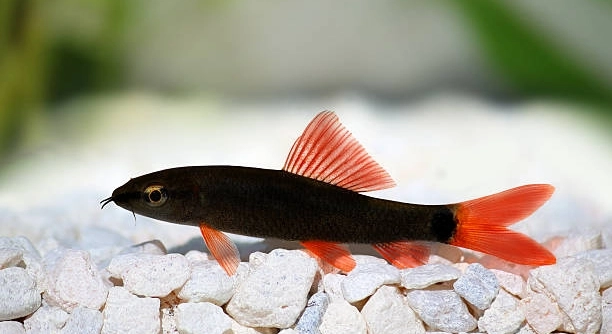
Is your rainbow shark swimming in an unusual, erratic way? Many aquarium owners notice sudden changes in their fish’s movement, which can be concerning. Understanding why this happens helps keep your aquatic pet healthy and comfortable.
Erratic swimming in rainbow sharks often indicates stress, illness, or poor water conditions. Common causes include improper water temperature, inadequate oxygen levels, or parasites. Addressing these issues promptly can stabilize your fish’s behavior and improve its overall well-being.
Knowing the main causes behind this behavior allows you to take the right steps to fix the problem. This article offers clear and practical solutions to help your rainbow shark swim smoothly again.
Check Water Quality and Parameters
Water quality plays a crucial role in the health of your rainbow shark. Poor water conditions can cause stress and lead to erratic swimming. Regularly test the tank for ammonia, nitrite, nitrate, and pH levels. Ammonia and nitrite should be at zero, while nitrates need to be kept low, ideally under 20 ppm. The pH level should be stable, around 6.5 to 7.5. If these parameters are off, perform partial water changes immediately. Using a reliable water testing kit will help monitor these factors closely. Additionally, avoid overfeeding, as uneaten food can pollute the water quickly. Maintaining clean and balanced water will reduce stress and keep your fish swimming steadily.
Poor water quality causes discomfort and erratic movement in fish. Regular testing and water changes are essential for stability and health.
Proper filtration and routine water maintenance are key to a stable environment. Keeping the water clean ensures your rainbow shark stays calm and active, reducing erratic swimming caused by harmful toxins or unbalanced water chemistry.
Maintain Suitable Tank Conditions
Ensuring the tank is the right size and setup is important for your rainbow shark’s comfort. These fish need plenty of space to swim and hide. A minimum of 30 gallons is recommended. Provide hiding spots using decorations or plants to help reduce stress. The tank should have a consistent temperature between 74°F and 79°F, as fluctuations can unsettle your fish. Good water flow and aeration also support their well-being by maintaining oxygen levels. Regularly clean the tank to remove debris and prevent buildup. Keeping a stable environment minimizes erratic swimming caused by discomfort or insecurity.
Proper tank size and stable conditions support your fish’s natural behavior. Adequate space, hiding places, and stable temperature improve swimming patterns.
When your rainbow shark has enough room and a comfortable environment, it will swim with ease. Inadequate space or poor tank setup can cause nervousness and irregular movements. Simple adjustments like increasing tank size or adding plants can help your fish feel secure and reduce erratic swimming caused by environmental stress.
Monitor for Parasites and Illness
Parasites and illnesses often cause erratic swimming in rainbow sharks. Look for signs like clamped fins, spots, or unusual marks on their body.
Parasites such as ich or flukes can irritate your fish, causing discomfort and erratic behavior. Treating these promptly with appropriate medication is essential. Consult with a vet or aquarium specialist to identify the right treatment. Quarantining affected fish can prevent spreading. Observing your rainbow shark daily helps catch problems early before they worsen.
Illnesses may also stem from bacterial or fungal infections, which can affect your fish’s balance. Providing a clean tank and proper nutrition supports recovery. Regular tank maintenance reduces the risk of infections, keeping your fish swimming normally and happily.
Check Tank Mates and Stress Levels
Aggressive or incompatible tank mates can stress your rainbow shark, leading to erratic swimming. Avoid overcrowding and choose peaceful companions.
Stress weakens the fish’s immune system and causes abnormal behavior. Signs include hiding, rapid gill movement, and darting around the tank. Keeping the tank environment calm and stable minimizes stress. Sometimes relocating aggressive fish or increasing hiding spots helps maintain peace. Monitoring interactions regularly ensures your rainbow shark feels safe. A low-stress environment encourages normal swimming patterns and healthier fish.
Adjust Feeding Habits
Overfeeding can cause poor water quality and stress for your rainbow shark. Feed small amounts once or twice daily. Remove uneaten food to prevent waste buildup.
A balanced diet is important. Provide high-quality sinking pellets, supplemented with occasional live or frozen foods. Avoid overfeeding to keep your fish healthy and swimming normally.
Improve Oxygen Levels
Oxygen levels affect fish behavior. Low oxygen can cause rapid breathing and erratic swimming. Use an air pump or increase water surface agitation to boost oxygen.
Check for Injuries
Physical injuries from tank decor or fights can disrupt swimming. Inspect your fish regularly for wounds or signs of damage. Treat any injuries promptly to prevent infection and promote recovery.
FAQ
Why is my rainbow shark swimming erratically only at night?
Rainbow sharks can be more active or restless during nighttime hours because they are naturally crepuscular, meaning they are most active at dawn and dusk. Erratic swimming at night might also signal stress due to poor water quality or insufficient hiding spaces. Check tank conditions and add plants or decorations to create safe resting spots, which help your fish feel secure during darker hours.
Can sudden changes in water temperature cause erratic swimming?
Yes, sudden temperature shifts can shock your rainbow shark and lead to erratic swimming. These fish thrive in stable temperatures between 74°F and 79°F. Avoid placing the tank near heaters, windows, or vents that cause fluctuations. Using a reliable heater and thermometer helps maintain consistent warmth, reducing stress and irregular movements.
How often should I test my aquarium water?
Testing water weekly is ideal to ensure stable parameters for your rainbow shark. Frequent checks help catch harmful spikes in ammonia, nitrite, or nitrate before they affect fish behavior. If problems arise, increase testing frequency and perform water changes as needed. Keeping records of your tests helps track trends and prevents future issues.
Is erratic swimming a sign of illness or injury?
Erratic swimming can indicate illness or injury, especially if accompanied by other symptoms like lethargy, loss of appetite, or visible wounds. Parasites, bacterial infections, or physical trauma disrupt normal movement. Prompt diagnosis and treatment with appropriate medications or care are necessary to prevent worsening conditions and support recovery.
Can tank mates cause my rainbow shark to swim erratically?
Yes, aggressive or overly active tank mates can stress your rainbow shark, causing it to swim erratically. Some fish may chase or bully rainbow sharks, leading to anxiety and disrupted behavior. Choosing peaceful companions and ensuring enough space and hiding spots reduces conflict and promotes calm swimming.
How important is tank size for preventing erratic swimming?
Tank size is very important. Rainbow sharks require at least 30 gallons to have enough room for swimming and exploring. Small tanks restrict movement, cause stress, and can trigger erratic behavior. Larger tanks with proper decor improve comfort and allow natural swimming patterns.
What role does diet play in my rainbow shark’s swimming behavior?
A balanced diet supports overall health and normal swimming. Overfeeding or poor nutrition can lead to obesity, digestive issues, and water quality problems, which stress your fish. Feed high-quality sinking pellets and supplement occasionally with live or frozen foods. Avoid excess feeding to maintain a healthy environment and stable behavior.
Should I quarantine new fish to prevent erratic swimming?
Quarantining new fish is recommended to prevent the introduction of diseases or parasites that can affect your rainbow shark’s health and behavior. A 2-4 week quarantine period allows observation and treatment if needed. Healthy tank mates reduce stress and erratic swimming caused by infections or aggression.
Can water flow affect my rainbow shark’s swimming?
Yes, water flow influences swimming behavior. Rainbow sharks prefer moderate currents that mimic their natural environment. Too strong or too weak flow can cause stress or disorientation, leading to erratic movement. Adjust filters or pumps to create a balanced flow that encourages smooth swimming.
How do I know if my rainbow shark is stressed?
Signs of stress include erratic swimming, hiding more than usual, loss of appetite, and rapid gill movement. Stress often results from poor water conditions, aggressive tank mates, or sudden environmental changes. Identifying stress early allows corrective actions like improving water quality, adjusting tank setup, or reducing aggression.
When your rainbow shark swims erratically, it is often a sign that something in its environment needs attention. Many factors can cause this behavior, such as water quality, tank setup, diet, or stress from other fish. Identifying the cause is the first step toward helping your fish return to normal swimming patterns. Paying close attention to your aquarium’s conditions and your rainbow shark’s behavior will allow you to spot problems early and act quickly.
Maintaining stable and clean water is one of the most important steps. Regular testing for ammonia, nitrite, nitrate, and pH ensures the environment remains safe. Water changes and proper filtration help keep toxins low and oxygen levels high. A stable temperature also plays a key role in reducing stress. Along with good water conditions, providing enough space and hiding places allows your rainbow shark to feel secure and comfortable. This reduces nervousness and erratic movements.
Finally, regular monitoring for signs of illness or injury is necessary. Parasites and infections can affect your fish’s health and swimming. Choosing compatible tank mates and avoiding overcrowding helps reduce stress and aggression. Feeding your rainbow shark a balanced diet in moderate amounts supports overall health. With these practices, your fish will have a better chance of staying healthy and swimming smoothly. Paying attention to these details makes caring for your rainbow shark easier and more rewarding.

Hello,
If you enjoy the content that we create, please consider saying a "Thank You!" by leaving a tip.
Every little bit helps us continue crafting quality advice that supports the health, happiness, and well-being of pets around the world, for pets of all shapes, sizes, and species.
We really appreciate the kindness and support that you show us!