
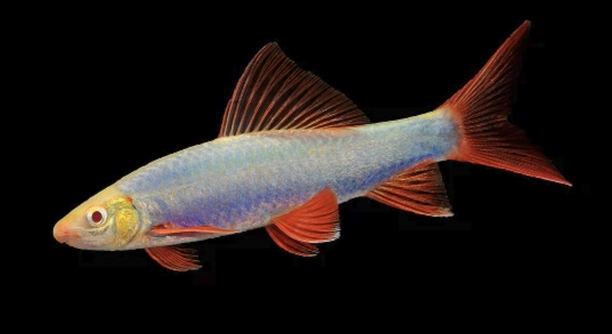
Rainbow Sharks are popular aquarium fish known for their vibrant colors and active behavior. Sometimes, these fish can become passive, which affects their health and overall tank dynamics. Keeping them lively is important for a balanced aquarium environment.
To prevent your Rainbow Shark from becoming too passive, maintain proper tank conditions, provide a varied diet, and ensure enough swimming space. Regular stimulation through interaction and environmental enrichment supports their natural behavior and activity levels.
Maintaining these habits will help keep your Rainbow Shark energetic and healthy over time. The following tips explain how to create the best conditions for your fish.
Maintain Proper Tank Conditions
Keeping your Rainbow Shark active starts with the right tank environment. The water temperature should be steady between 75 and 79 degrees Fahrenheit. Maintaining clean water with regular partial changes helps reduce stress, which can make the fish less active. A tank size of at least 30 gallons is recommended to provide enough space for swimming. The tank should have hiding spots like rocks or plants, but also open swimming areas. Proper filtration is key to keeping water clear and oxygen-rich. Monitor water parameters such as pH, ammonia, nitrites, and nitrates regularly. Consistency in these factors supports the natural behavior of your Rainbow Shark and prevents lethargy.
Consistent tank maintenance prevents stress and inactivity. Clean, stable conditions allow your fish to thrive and stay alert.
The tank setup influences your Rainbow Shark’s energy levels significantly. Without enough space or poor water quality, the fish may become passive or hide excessively. Balanced lighting helps regulate their day and night cycle, encouraging regular activity. Avoid sudden changes in water temperature or environment to reduce stress. Providing a stimulating and stable habitat will encourage your Rainbow Shark to explore, swim actively, and display its natural behavior consistently.
Provide a Varied Diet
A Rainbow Shark’s activity is closely tied to what it eats. Offering a mix of pellets, flakes, and live or frozen foods ensures balanced nutrition. Feeding small amounts two to three times daily helps keep metabolism steady and energy levels up. Avoid overfeeding, as leftover food can pollute the water and harm your fish. Include vegetables like zucchini or peas occasionally to add fiber and vitamins. Variety in diet prevents boredom and supports the fish’s physical and mental well-being. This nutritional approach encourages movement and reduces passivity.
Feeding habits directly impact your fish’s behavior. A balanced, varied diet supports vitality and overall health.
To keep your Rainbow Shark engaged, rotate different food types regularly. Live foods like bloodworms or brine shrimp stimulate natural hunting instincts. Frozen foods offer convenience and good nutrition while encouraging activity. Vegetables provide essential nutrients and encourage foraging behavior. A well-planned feeding routine promotes a lively fish that is less prone to inactivity or hiding. Monitoring feeding amounts and frequency helps maintain clean water and prevents health problems that can cause passivity. Proper diet is fundamental for an energetic and thriving Rainbow Shark.
Ensure Enough Swimming Space
A Rainbow Shark needs room to swim freely. Crowded tanks reduce their activity and can make them hide more.
Providing a tank that is at least 30 gallons allows your fish to swim without feeling confined. Overcrowding causes stress and limits their natural movement, which leads to passivity. Keeping fewer fish in the tank or choosing compatible species helps reduce competition for space. Arranging decorations to create open swimming lanes encourages exploration. The more space your Rainbow Shark has, the more active it will remain throughout the day.
When space is limited, the fish might become stressed or aggressive. They often retreat to hiding spots and show less interest in their surroundings. A larger tank with clear areas encourages them to swim and interact more with their environment. Open space also helps maintain better water quality as it reduces waste concentration. Ensuring enough swimming room is a simple way to keep your Rainbow Shark lively and healthy.
Regular Stimulation Through Interaction
Interacting with your Rainbow Shark helps keep it active. Routine engagement prevents boredom and lethargy.
Simple actions like tapping the tank gently or offering food at different times stimulate your fish’s natural curiosity. Using a mirror briefly can trigger their territorial instincts and encourage movement. Changing the tank layout occasionally introduces new stimuli, promoting exploration. Avoid stressing the fish by keeping interaction moderate and consistent. These small efforts can boost activity and prevent passivity in your Rainbow Shark.
Consistent, gentle stimulation helps maintain your fish’s alertness and responsiveness. Interaction should be balanced to avoid causing stress. By engaging your Rainbow Shark, you create a dynamic environment where it feels encouraged to swim and explore. This prevents it from becoming passive due to boredom or lack of mental challenge. Regular interaction strengthens the bond between fish and owner while promoting a healthy, active lifestyle for your Rainbow Shark.
Environmental Enrichment
Adding plants, rocks, and caves creates a stimulating environment. This variety helps your Rainbow Shark feel secure and active.
Providing hiding spots reduces stress, while open spaces encourage swimming. Changing decorations occasionally keeps the tank interesting for your fish.
Monitor Water Quality Closely
Maintaining clean water is vital for your Rainbow Shark’s health and activity. Regular testing helps catch harmful changes early.
Poor water quality causes stress and lethargy, which leads to passivity. Keeping ammonia, nitrites, and nitrates at safe levels supports a lively fish.
Avoid Overcrowding
Too many fish in one tank limits space and increases competition. This can reduce activity and cause stress.
Maintain Stable Lighting
Consistent lighting cycles help regulate your fish’s natural rhythms and promote regular activity.
FAQ
Why is my Rainbow Shark so passive all of a sudden?
A sudden change to passivity often points to stress or poor tank conditions. Factors like dirty water, incorrect temperature, or overcrowding can cause your fish to hide or move less. Illness or lack of stimulation may also reduce activity. Checking water quality and tank setup can help identify the problem.
How often should I clean the tank to keep my Rainbow Shark active?
Regular partial water changes, about 20-30% weekly, keep the tank clean and stable. This prevents buildup of harmful chemicals that cause stress and lethargy. Cleaning the substrate and filter as needed also maintains good water quality, which is crucial for your fish’s energy.
Can other fish affect my Rainbow Shark’s behavior?
Yes, tank mates can influence your Rainbow Shark’s activity. Aggressive or overly dominant fish may intimidate it, causing hiding or passivity. On the other hand, peaceful, compatible species encourage normal behavior. Always choose tank mates carefully to support your Rainbow Shark’s well-being.
What types of food keep a Rainbow Shark active?
A varied diet including high-quality pellets, flakes, live, or frozen foods promotes health and activity. Live foods like bloodworms stimulate natural hunting instincts, encouraging movement. Including vegetables such as peas or zucchini adds nutrients and keeps feeding interesting.
How much space does a Rainbow Shark need to stay active?
At least a 30-gallon tank is recommended for one Rainbow Shark to have enough swimming space. More space allows natural behavior and reduces stress. Overcrowding limits movement and causes inactivity, so keep the tank well-sized and avoid adding too many fish.
Will changing tank decorations help with a passive Rainbow Shark?
Yes, rearranging or adding decorations like plants and rocks provides mental stimulation. It encourages exploration and activity by creating new hiding spots and swimming paths. Just avoid sudden or drastic changes that might stress the fish.
How important is lighting for my Rainbow Shark’s activity?
Stable lighting cycles help regulate the fish’s natural day-night rhythm. Consistent periods of light and darkness encourage regular swimming and rest patterns. Avoid sudden or extreme changes in lighting, as this can cause stress and reduce activity.
Can temperature fluctuations cause passivity?
Yes, Rainbow Sharks are sensitive to temperature changes. Water that is too cold or too warm can make them sluggish. Keeping the temperature steady between 75 and 79 degrees Fahrenheit is important to maintain their normal activity levels.
Is it normal for Rainbow Sharks to hide a lot sometimes?
Rainbow Sharks do use hiding spots naturally, but excessive hiding often signals stress, illness, or poor environment. If your fish spends most of its time hidden, review tank conditions, water quality, and check for signs of disease.
How does interaction affect my Rainbow Shark’s behavior?
Gentle interaction, like feeding at different times or mild tank tapping, can keep your fish alert and active. Overdoing interaction, however, may stress it. Balanced, regular engagement helps prevent boredom and encourages natural movement.
Final Thoughts
Keeping your Rainbow Shark active is essential for its health and happiness. Passive behavior often signals that something in the tank environment or care routine needs attention. Simple steps like maintaining clean water, providing enough space, and offering a balanced diet can make a big difference. When these basics are met, your fish is more likely to show its natural energy and color, making your aquarium more enjoyable to watch. Consistency in care helps prevent many common issues that lead to passivity.
Creating a suitable environment is just as important as feeding. Proper tank size, stable temperature, and regular water testing contribute to a comfortable space for your Rainbow Shark. Adding decorations such as plants and hiding spots encourages exploration and reduces stress, helping the fish stay active. Even small changes, like rearranging decorations or changing feeding routines, can keep the fish engaged and curious. Attention to these details supports your Rainbow Shark’s well-being and helps avoid long periods of inactivity.
Interaction and stimulation also play a role in keeping your Rainbow Shark lively. Gentle engagement, like feeding at varied times or using safe ways to attract its attention, encourages movement and reduces boredom. Avoid overwhelming the fish with too much activity, as stress can cause the opposite effect. Balanced care, including environmental factors and feeding habits, creates a positive setting for your Rainbow Shark. Keeping these points in mind will help maintain an active, healthy fish that thrives in your aquarium.

Hello,
If you enjoy the content that we create, please consider saying a "Thank You!" by leaving a tip.
Every little bit helps us continue crafting quality advice that supports the health, happiness, and well-being of pets around the world, for pets of all shapes, sizes, and species.
We really appreciate the kindness and support that you show us!