
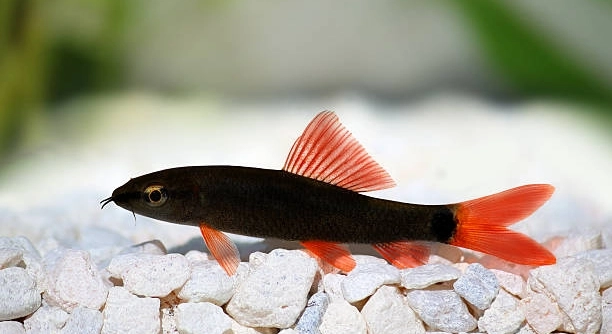
Rainbow sharks are popular aquarium fish known for their unique appearance and active behavior. Feeding them properly is important to keep them healthy and vibrant. Understanding their diet needs helps hobbyists provide the best care possible.
Rainbow sharks require a balanced diet consisting of high-quality flakes, pellets, and occasional live or frozen foods. They are omnivores, so providing both plant-based and protein-rich foods supports their growth and overall well-being. Regular feeding routines also prevent overfeeding and health issues.
Learning the right feeding techniques can improve your rainbow shark’s health and behavior. This article will cover key facts to help you meet their dietary needs effectively.
Understanding Rainbow Shark Diet Needs
Rainbow sharks are omnivores, which means they eat both plants and animals. In an aquarium, their diet should reflect this variety to keep them healthy. High-quality flakes or pellets designed for omnivorous fish form the base of their meals. These foods provide essential nutrients for daily energy and growth. Along with these, it’s helpful to offer live or frozen foods like bloodworms, brine shrimp, or daphnia once or twice a week. These protein-rich additions support muscle development and vitality. Including some vegetable matter is also important; blanched spinach, zucchini, or peas are good options. Avoid feeding only one type of food, as it may cause nutritional gaps. Feeding small amounts two to three times a day prevents overeating and helps maintain water quality. Keeping a consistent feeding schedule can reduce stress and promote natural behavior in your rainbow shark, making your aquarium environment more balanced.
Feeding a mix of foods ensures your rainbow shark thrives and stays active.
Proper diet choices impact their growth, color, and overall well-being. Meeting these needs contributes to a longer, healthier life in your tank.
Feeding Frequency and Portion Control
Overfeeding can lead to health problems and water pollution in your tank.
It’s best to feed rainbow sharks small portions two to three times daily. They should consume the food within a few minutes, so remove any leftovers promptly to avoid water contamination. Regular, moderate feeding helps keep them active and prevents obesity. When offering live or frozen foods, limit these treats to once or twice a week, as they are richer in nutrients. Carefully observing your fish during feeding helps you gauge the right portion sizes. Remember, the amount can vary based on their size and age. Consistency in feeding times benefits their digestive system and daily rhythms. Avoid feeding just before lights go off since fish eat less in low light. Monitoring their eating habits can alert you to health issues early. Maintaining proper feeding frequency and portion size is key to keeping a healthy, vibrant rainbow shark.
Signs of Proper Feeding
Healthy rainbow sharks show clear signs when fed well. They stay active, have bright colors, and swim confidently around the tank. Their appetite should be steady, with eagerness during feeding times. Lack of interest in food or faded colors may indicate feeding issues or illness.
Monitoring your rainbow shark during meals helps ensure they receive enough nutrition. If they eat quickly and seem satisfied, their diet likely meets their needs. Uneaten food should be removed to keep the tank clean. Occasionally, if your fish refuses food or appears sluggish, check water quality and feeding amounts. Adjusting the diet or feeding schedule may be necessary to restore health.
Proper feeding reflects in their growth and energy levels. Balanced nutrition supports immune function and prevents disease, making your fish’s behavior and appearance reliable indicators of feeding success.
Choosing the Right Food Types
Dry foods like flakes and pellets are convenient and nutritionally balanced for rainbow sharks. These should be the primary diet, formulated specifically for omnivorous fish. However, variety is essential. Supplementing with live or frozen foods such as bloodworms, brine shrimp, or daphnia adds valuable protein and encourages natural hunting instincts. Vegetables like zucchini or spinach provide fiber and vitamins that support digestion and health. Avoid feeding overly fatty or processed human foods, as these can harm your fish.
Selecting the correct food involves reading labels to ensure ingredients suit your rainbow shark’s needs. Freshness and quality are important, so store food properly to prevent spoilage. Combining different food types keeps the diet interesting and complete. Rotating foods can also reduce the risk of nutritional deficiencies and promote optimal growth and coloration. Tailoring the diet to your fish’s preferences while meeting nutritional standards ensures a healthy and happy rainbow shark.
Avoiding Overfeeding
Overfeeding rainbow sharks can cause obesity and poor water quality. Feeding only what they can eat in a few minutes prevents leftover food from decomposing and polluting the tank. Moderation is key to maintaining their health and the aquarium’s balance.
Too much food can lead to digestive issues and stress. Keeping portion sizes small helps your fish stay active and healthy.
Impact of Water Quality on Feeding
Poor water quality reduces appetite and can cause illness in rainbow sharks. Regular water changes and tank maintenance ensure a clean environment that supports feeding behavior. Testing water parameters like ammonia, nitrite, and nitrate levels helps prevent toxic buildup. Clear, stable water conditions encourage normal eating habits and digestion. Neglecting water quality can lead to stress, disease, and feeding refusal. Keeping the tank clean benefits both your fish’s health and the overall aquarium ecosystem.
Feeding During Stress
Stress lowers rainbow sharks’ desire to eat. Sudden changes or aggressive tank mates can affect feeding.
Feeding Tips for Juveniles
Young rainbow sharks need more frequent feeding with smaller portions to support growth and energy.
How often should I feed my rainbow shark?
Feeding your rainbow shark two to three times a day works best. Provide small portions that they can finish within a few minutes. This schedule helps maintain their energy without causing overfeeding. Consistency is important, so try to feed them around the same times each day.
Can I feed my rainbow shark only flakes or pellets?
Flakes and pellets can be the main part of their diet, but variety is important. Adding live or frozen foods like bloodworms or brine shrimp once or twice a week improves nutrition and keeps them interested in food. Including some vegetables is also beneficial.
What foods should I avoid feeding my rainbow shark?
Avoid feeding human food, overly fatty items, or bread. These can harm their digestive system or pollute the water. Also, stay away from foods high in fillers or artificial ingredients, as they don’t provide proper nutrition.
Why is my rainbow shark not eating?
Loss of appetite can be caused by poor water quality, stress, illness, or sudden changes in the tank. Check water parameters and observe for signs of disease. Reducing stress by keeping the environment stable and removing aggressive tank mates may help.
Is it okay to feed live foods daily?
Feeding live foods every day is not recommended. They should be given as treats once or twice a week because they are richer in nutrients. Too much live food can cause imbalances and lead to digestive problems.
How do I know if I’m overfeeding my fish?
If you notice leftover food after feeding or cloudy water, it may be a sign of overfeeding. Other signs include sluggish behavior or bloating. Adjust portion sizes and remove uneaten food promptly.
Can rainbow sharks eat vegetables?
Yes, vegetables like blanched zucchini, peas, and spinach are good for them. These provide fiber and vitamins that support digestion and overall health. Introduce vegetables gradually and observe if your fish accept them.
What should I do if my rainbow shark refuses food?
Try offering different types of food, such as switching from flakes to pellets or adding live/frozen options. Also, ensure the water quality is good and the tank environment is stable. Sometimes, a short fasting period of one day can reset their appetite.
How much food is enough for a rainbow shark?
Feed amounts that the fish can consume within two to three minutes. Feeding more than this risks leftover food and water pollution. Adjust portions depending on the size and age of your fish.
Should I feed rainbow sharks at night?
Rainbow sharks are more active during the day and tend to eat less at night. Feeding before the tank lights turn off is better to ensure they get enough nutrition. Avoid feeding right before bedtime to prevent uneaten food from spoiling.
Are homemade fish foods safe for rainbow sharks?
Homemade foods can be safe if they are balanced and include necessary nutrients. However, it is easier to meet their dietary needs with commercial foods designed for omnivorous aquarium fish. If you try homemade options, research carefully and monitor your fish’s health closely.
Can feeding affect the color of my rainbow shark?
Yes, a well-balanced diet rich in proteins and vitamins helps maintain and enhance their bright colors. Poor nutrition can cause fading and dullness. Including a variety of foods helps keep their colors vibrant.
How do I transition my rainbow shark to new food?
Introduce new foods gradually by mixing them with the current diet. Over a week or two, increase the amount of new food while decreasing the old. This reduces stress and helps avoid digestive upset.
Is it necessary to remove uneaten food immediately?
Yes, removing uneaten food prevents water quality issues and reduces the risk of harmful bacteria or algae growth. Use a net or siphon to clean the tank shortly after feeding.
Do rainbow sharks need supplements in their diet?
Usually, a varied diet of flakes, pellets, live/frozen foods, and vegetables provides all necessary nutrients. Supplements are not often required unless there are signs of nutritional deficiency or specific health issues.
Can feeding habits vary between individual rainbow sharks?
Yes, some fish may prefer certain foods or eat more or less than others. Observe your fish to understand their preferences and adjust feeding accordingly. Tailoring feeding to each fish helps maintain their health and reduces waste.
Proper feeding is one of the most important factors for keeping rainbow sharks healthy and happy. Providing a balanced diet that includes flakes or pellets, live or frozen foods, and some vegetables helps meet their nutritional needs. Feeding them small portions two to three times a day prevents overfeeding and keeps the tank environment clean. When fish get the right food in the right amount, they tend to be more active, show better colors, and live longer. Taking the time to understand their diet needs will make a big difference in how well they thrive in your aquarium.
Observing your rainbow shark during feeding is also key to maintaining its well-being. Healthy fish will eagerly eat their food and display lively behavior afterward. If you notice your fish is refusing food, acting sluggish, or showing faded colors, it might be a sign that something is wrong. Water quality plays a big role in their appetite and overall health, so regular water testing and tank maintenance are necessary. Sometimes changes in diet or feeding routine can help improve their condition. Paying close attention to these details allows you to address any issues early and keep your fish in good shape.
Feeding rainbow sharks is a simple task when you keep a few important points in mind. Use a variety of foods to provide all necessary nutrients, avoid overfeeding, and maintain clean water. Remember that every fish is a little different, so observe their behavior and adjust feeding accordingly. With proper care and attention, your rainbow shark will remain a colorful, active part of your aquarium for years to come. Consistency and patience in feeding practices will pay off in a healthier and happier fish.

Hello,
If you enjoy the content that we create, please consider saying a "Thank You!" by leaving a tip.
Every little bit helps us continue crafting quality advice that supports the health, happiness, and well-being of pets around the world, for pets of all shapes, sizes, and species.
We really appreciate the kindness and support that you show us!