
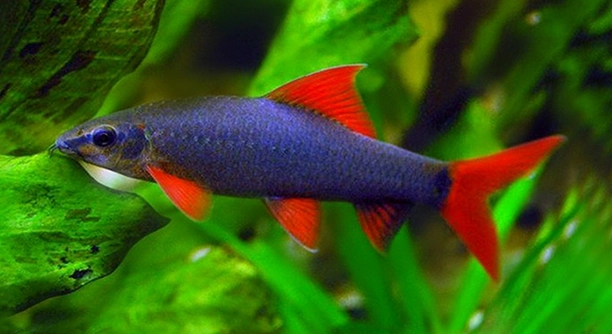
Rainbow sharks are popular freshwater fish known for their sleek appearance and active nature. Many aquarium enthusiasts find their behavior both intriguing and sometimes puzzling. Understanding their habits can improve care and enjoyment.
Rainbow sharks display territorial behavior, often establishing and defending specific areas within the tank. They are primarily nocturnal, becoming more active at night, and use their fins and body movements to communicate dominance and submission among tank mates.
Knowing these key behavior patterns can help maintain a peaceful aquarium environment and support the well-being of your rainbow shark. Learning more about them can enhance your overall fish-keeping experience.
Territorial Nature of Rainbow Sharks
Rainbow sharks are known for their strong territorial instincts. In a tank environment, they often stake out a particular section as their own space. This behavior can lead to conflicts if the tank is overcrowded or lacks hiding spots. They use their fins and body posture to assert dominance, sometimes chasing or nipping other fish that enter their territory. Providing plenty of space and decorations like plants or rocks can help reduce aggression by allowing fish to establish separate areas. It is important to monitor interactions to ensure that no fish are constantly stressed or injured. Keeping the tank clean and well-maintained also supports healthier behavior overall. Understanding these territorial habits is crucial for maintaining balance and peace within your aquarium. Managing the environment thoughtfully helps your rainbow shark feel secure and less prone to aggressive displays.
Rainbow sharks establish territories quickly, and tank setup influences their level of aggression.
Proper tank design and space management are key to minimizing conflicts and promoting harmony among fish.
Nocturnal Activity and Feeding Patterns
Rainbow sharks tend to be more active during the night, exhibiting their natural nocturnal habits. During this time, they often forage along the bottom of the tank, searching for leftover food or algae. This behavior helps keep the aquarium clean, but it also means their activity levels may drop during daylight hours. Providing feeding schedules that accommodate their active periods can improve their health and reduce competition with other fish. Offering sinking pellets or wafers is ideal, as rainbow sharks prefer food that settles near the tank bottom. It’s also important to avoid overfeeding, as uneaten food can degrade water quality and affect fish behavior negatively. Watching their feeding habits helps you adjust care routines and ensures your fish remain energetic and well-nourished.
Feeding them at the right times supports natural behavior and helps maintain water quality.
Observing these patterns can improve your fish’s overall health and tank environment.
Social Interaction and Compatibility
Rainbow sharks can be territorial but may tolerate certain tank mates. Peaceful, fast-swimming fish often coexist well. Avoid slow or long-finned species, which may provoke aggression. Individual temperaments vary, so careful observation is necessary to maintain harmony.
Their territorial instincts mean rainbow sharks prefer tank mates that won’t challenge their space or compete aggressively for food. Fish such as danios or barbs often work well alongside them because they are active swimmers and tend to stay in different areas of the tank. Avoid housing rainbow sharks with fish that are sluggish or have flowing fins, like bettas or fancy guppies, since these might trigger chasing behavior. Each shark’s personality differs, so gradual introduction and monitoring help identify any conflicts early on. A well-planned community tank keeps stress low and allows rainbow sharks to show their natural behaviors without undue tension.
Proper tankmate selection and monitoring are essential to avoid stress and injury. Compatibility depends on species and individual fish behavior, requiring attention from the caretaker to maintain balance in the aquarium.
Importance of Tank Environment
Tank size directly influences rainbow shark behavior. Smaller tanks increase stress and aggression, while larger spaces allow for natural activity and territory formation. Provide plenty of hiding places to reduce tension.
A tank of at least 55 gallons is recommended for a single rainbow shark. Larger tanks support multiple individuals but must have sufficient space and structures like caves or plants to break lines of sight and create personal zones. Proper filtration and water quality are equally important because poor conditions can exacerbate aggressive behavior and health issues. Lighting should mimic natural cycles to support their nocturnal activity patterns. A thoughtfully arranged environment helps rainbow sharks feel secure, minimizing conflicts and encouraging healthy movement throughout the tank. Regular maintenance of water parameters ensures a stable habitat, fostering calmer and more predictable behavior over time.
Stress Indicators in Rainbow Sharks
Stress in rainbow sharks often shows through changes in behavior or appearance. Signs include hiding more than usual, loss of color, or erratic swimming. Identifying stress early helps prevent illness and aggressive outbreaks.
Water quality problems and overcrowding are common stress triggers. Maintaining a clean tank and proper stocking levels reduces stress and supports healthy behavior.
Role of Water Parameters
Rainbow sharks require stable water conditions to thrive. They prefer temperatures between 72°F and 79°F, with a pH of 6.5 to 7.5. Sudden changes can cause stress or illness.
Consistent filtration and regular water changes maintain ideal conditions. Monitoring parameters with test kits helps catch issues early, ensuring a balanced environment that promotes well-being and reduces aggressive tendencies.
Interaction with Other Fish Species
Rainbow sharks generally coexist best with similarly sized, non-aggressive fish. Avoid combining them with overly passive or highly aggressive species to minimize conflict and stress.
Activity Levels Throughout the Day
Rainbow sharks are more active during low light periods, often exploring and feeding near the bottom of the tank. This pattern should guide feeding schedules and tank lighting.
FAQ
How aggressive are rainbow sharks?
Rainbow sharks show moderate aggression, mainly toward other fish invading their territory. They defend their space using chasing and fin displays but rarely cause serious harm if the tank is large enough. Aggression increases in overcrowded or poorly structured tanks.
What tank size is best for rainbow sharks?
A minimum of 55 gallons is recommended for one rainbow shark. Larger tanks are needed for multiple sharks to reduce territorial conflicts. Providing enough room helps them establish personal spaces and reduces aggressive behavior.
Can rainbow sharks live with other fish?
Yes, they can live with peaceful, fast-swimming fish like danios or barbs. Avoid slow-moving or long-finned species to prevent bullying. Each shark has a unique temperament, so careful monitoring is important when introducing new tank mates.
What do rainbow sharks eat?
Rainbow sharks are omnivores, preferring sinking pellets, algae wafers, and occasional live or frozen foods like bloodworms. Feeding them a varied diet supports their health and encourages natural foraging behavior.
How often should I feed my rainbow shark?
Feeding once or twice a day is sufficient. Avoid overfeeding, as uneaten food can pollute the water and harm fish health. Observe their appetite to adjust portions accordingly.
Why is my rainbow shark hiding all the time?
Hiding can indicate stress from poor water quality, overcrowding, or aggressive tank mates. It may also be natural behavior if the tank lacks sufficient hiding spots. Regularly check water parameters and tank setup to improve their comfort.
What water parameters do rainbow sharks need?
Ideal temperature ranges from 72°F to 79°F with a pH between 6.5 and 7.5. Stable conditions with regular water changes are essential to prevent stress and disease.
How can I reduce aggression in my rainbow shark?
Ensure the tank is large enough and decorated with plants, rocks, or caves to create territories. Avoid overcrowding and choose compatible tank mates. Maintaining good water quality also helps reduce stress-induced aggression.
Do rainbow sharks need special lighting?
Normal aquarium lighting that mimics day and night cycles works well. They are more active during low light or nighttime hours, so providing dim or subdued lighting can support their natural behavior.
Can rainbow sharks jump out of the tank?
Yes, they are capable jumpers, especially when stressed. Always keep a tight-fitting lid on the aquarium to prevent escapes and injury.
How long do rainbow sharks live?
With proper care, rainbow sharks typically live between 5 to 8 years. Good diet, clean water, and a stress-free environment contribute to their longevity.
What signs show my rainbow shark is healthy?
A healthy rainbow shark has bright, vivid colors, regular activity, clear eyes, and smooth, intact fins. It should eat well and swim confidently around the tank.
Can rainbow sharks be kept alone?
They can be kept alone but may become bored or stressed without other fish. If kept solo, provide plenty of stimulation like hiding places and varied feeding.
What should I do if my rainbow shark is injured?
Isolate injured fish in a quarantine tank if possible. Improve water quality and reduce stress in the main tank. Use appropriate medications if signs of infection appear, and monitor healing closely.
Are rainbow sharks good for beginners?
They are moderately easy to care for but require attention to tank size, water quality, and compatible tank mates. Beginners should be prepared to manage their territorial nature carefully.
Rainbow sharks are fascinating fish that bring energy and color to a freshwater aquarium. Their unique behavior patterns, such as territorial instincts and nocturnal activity, require thoughtful care and understanding. Keeping them in a suitable environment with enough space, proper water conditions, and compatible tank mates helps reduce stress and aggression. Observing their habits closely can give clues about their health and well-being, allowing timely adjustments to their care. This awareness supports a balanced tank where rainbow sharks can thrive and display their natural behaviors.
Maintaining a stable tank environment is essential for the long-term health of rainbow sharks. This includes regular water changes, monitoring water temperature and pH, and providing hiding spots within the tank. Their diet should be varied and appropriate, focusing on sinking pellets and occasional protein sources. Overfeeding and overcrowding can lead to poor water quality and increased aggression, so it’s important to keep these factors in check. A well-maintained aquarium fosters calm behavior and reduces the chances of illness or injury among all tank inhabitants.
Ultimately, understanding rainbow shark behavior is key to successful fishkeeping. Their territorial nature and activity patterns make them interesting but sometimes challenging pets. With proper tank size, compatible companions, and attention to their needs, rainbow sharks can be a rewarding addition to an aquarium. Paying attention to their signals and responding with good care practices helps create a peaceful and healthy environment where these fish can live comfortably and for many years.

Hello,
If you enjoy the content that we create, please consider saying a "Thank You!" by leaving a tip.
Every little bit helps us continue crafting quality advice that supports the health, happiness, and well-being of pets around the world, for pets of all shapes, sizes, and species.
We really appreciate the kindness and support that you show us!