
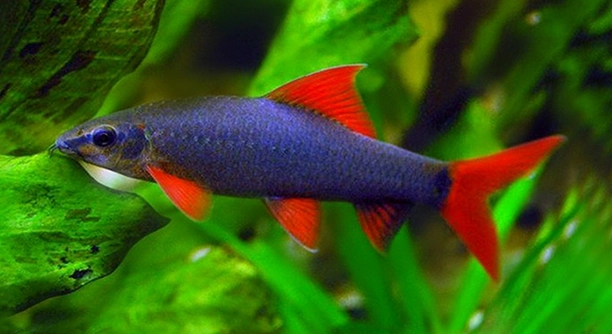
Rainbow sharks are popular aquarium fish known for their striking colors and active behavior. They can become stressed when their environment changes or when they feel threatened. Recognizing signs of stress early helps keep them healthy and happy.
Stress in rainbow sharks can be identified by changes in behavior, appetite, and appearance. Common signs include hiding frequently, loss of color, erratic swimming, and decreased eating. These symptoms indicate that the fish is experiencing discomfort or poor water conditions.
Knowing the signs of stress will help you respond quickly and improve your rainbow shark’s wellbeing. The following points explain what to watch for and how to support your fish.
Changes in Swimming Behavior
When a rainbow shark is stressed, you might notice changes in how it swims. Normally, they glide smoothly around the tank, but stress can make their movements erratic or jerky. They may dart quickly from one spot to another or stay still at the bottom or in corners. These behaviors often mean the fish is trying to avoid something that is causing discomfort. It could be poor water quality, aggressive tank mates, or a lack of hiding places. Watching your fish closely can help you spot these changes early. If the shark swims less or shows unusual activity, it might be time to check the tank conditions. Maintaining clean water and a calm environment helps reduce stress and encourages normal behavior.
Erratic or slowed swimming is a key sign of stress in rainbow sharks.
Regular observation and proper tank setup support your fish’s well-being and reduce the chances of long-term health problems.
Loss of Color and Appetite
A stressed rainbow shark often loses its vibrant color. The bright reds and blacks may fade, and the fish can look dull or pale. This color change happens because stress affects the fish’s immune system and overall health. Along with fading colors, the shark may also lose interest in food. A drop in appetite can quickly lead to weight loss and weakness. If your fish stops eating or shows less energy, it’s a clear sign something is wrong. Checking water quality, temperature, and tank mates can help identify the cause. Providing a quiet space and a balanced diet with variety can encourage your rainbow shark to regain its color and appetite over time. Regular care and attention make a big difference in helping the fish recover.
Frequent Hiding
Rainbow sharks may hide often when stressed. They seek shelter more than usual and avoid open spaces in the tank.
This hiding behavior is a sign that the fish feels threatened or uncomfortable. Stress factors like aggressive tank mates, sudden changes in water temperature, or loud noises can cause this. The fish uses hiding spots to feel safe, but if it spends too much time hidden, it may miss feeding or social interaction. A stressed rainbow shark that hides constantly might also develop other health problems. Ensuring the tank has plenty of hiding places while maintaining a peaceful environment helps reduce this stress. Observing your fish’s hiding habits can give you clues about its well-being and tank conditions.
Providing calm surroundings and steady water parameters encourages your rainbow shark to feel secure enough to explore its environment more.
Gasping at the Surface
Gasping at the water’s surface is a serious sign of stress. It often means there is low oxygen or poor water quality in the tank.
Low oxygen levels force rainbow sharks to swim near the surface where air exchange is higher. This behavior can quickly worsen if the water is not properly filtered or aerated. High ammonia or nitrite levels can also cause gill irritation, leading to gasping. Poor water quality stresses the fish and weakens its immune system, increasing the risk of illness. Frequent water testing and regular tank cleaning are necessary to prevent this issue. Adding an air stone or increasing surface agitation improves oxygen levels. Keeping water conditions stable helps your rainbow shark breathe easily and stay healthy.
Clamped Fins
Clamped fins occur when a rainbow shark holds its fins close to its body instead of spreading them out. This usually shows that the fish is stressed or unwell.
This behavior reduces the fish’s ability to swim properly and can be caused by poor water conditions or illness.
Excessive Aggression
When stressed, rainbow sharks may act more aggressively than usual. They might chase or nip at other tank mates frequently. This behavior often happens because the fish feels threatened or crowded. Stress can cause territorial disputes, especially in small tanks or with incompatible species. To reduce aggression, make sure the tank is large enough and has plenty of hiding spots. Separating aggressive fish or rearranging the tank layout can help calm tensions. Keeping stress low leads to a healthier and more peaceful aquarium environment for all fish.
Lethargy
Lethargy in rainbow sharks is a common sign of stress or illness. The fish may rest at the bottom of the tank and show little interest in activity or feeding.
FAQ
How can I reduce stress for my rainbow shark?
To reduce stress, keep the tank clean with regular water changes. Maintain stable water temperature and pH levels suitable for rainbow sharks. Provide hiding spots with plants or decorations to help the fish feel secure. Avoid overcrowding the tank and choose peaceful tank mates. Minimize loud noises and sudden movements around the aquarium. Feeding a balanced diet and observing your fish daily will also help catch early signs of stress or illness.
What water conditions are best for rainbow sharks?
Rainbow sharks prefer water temperatures between 72°F and 79°F (22°C to 26°C). The pH should stay between 6.5 and 7.5 for their comfort. They need clean, well-filtered water with low levels of ammonia, nitrites, and nitrates. Regular water testing is important to keep these levels safe. Aeration is necessary to ensure enough oxygen is available. Keeping the tank stable helps reduce stress and supports the fish’s health.
Can poor diet cause stress in rainbow sharks?
Yes, a poor diet can weaken a rainbow shark’s immune system and cause stress. They need a varied diet including flakes, pellets, and occasional live or frozen foods like bloodworms or brine shrimp. Feeding the wrong food or overfeeding can lead to health problems. A balanced diet supports energy, color, and resistance to disease. Avoid sudden changes in food and remove uneaten portions to keep the water clean.
Why does my rainbow shark hide all the time?
Constant hiding usually means the fish is stressed or feels unsafe. Aggressive tank mates, bright lighting, or lack of hiding spaces can cause this behavior. It might also be a sign of illness or poor water quality. Adding plants or decorations for shelter and adjusting tank conditions can encourage the fish to swim more freely.
How do I know if my rainbow shark is sick or just stressed?
Stress and illness can show similar signs, like loss of color, hiding, or lethargy. If symptoms persist or worsen, it’s likely illness. Look for additional signs such as white spots, torn fins, or abnormal breathing. Testing water quality and isolating the fish for treatment if needed can help. Early care prevents serious health issues.
Is tank size important for rainbow shark stress?
Yes, rainbow sharks need space to swim and establish territory. A tank of at least 30 gallons is recommended for one fish. Smaller tanks can cause overcrowding and stress, leading to aggressive behavior and poor health. Providing enough room and proper hiding spots helps maintain a calm environment.
Can rainbow sharks live with other fish without stress?
They can live peacefully if tank mates are chosen carefully. Avoid small, slow, or long-finned fish that might be bullied. Good companions include larger, peaceful species that occupy different tank areas. Monitor interactions and separate fish if aggression starts. Proper space and hiding spots reduce stress for all fish.
How often should I clean the tank to keep stress low?
Cleaning schedules depend on tank size and stocking levels. Generally, change 20-30% of the water weekly and clean filters monthly. Remove leftover food and waste daily. Regular maintenance prevents buildup of toxins that cause stress. Test water parameters often to catch issues early.
What role does lighting play in rainbow shark stress?
Bright or constant lighting can cause stress. Rainbow sharks prefer dim to moderate lighting with places to hide from light. Using a timer to create a day-night cycle helps mimic natural conditions. Adjust lighting to avoid glare or direct sunlight on the tank.
Can stress cause my rainbow shark to stop eating?
Yes, stress often reduces appetite. This can lead to weight loss and weaken the immune system. Identify and fix stress causes like water issues, tank mates, or diet. Encourage eating by offering favorite foods and a calm environment. Persistent loss of appetite requires attention to prevent illness.
Final Thoughts
Taking care of a rainbow shark means paying close attention to how it behaves and looks. Stress can show up in many ways, such as changes in swimming, hiding too much, or losing color. These signs should not be ignored because they tell you that something in the tank or the fish’s health needs attention. By observing your fish regularly, you can catch problems early before they become serious. This helps keep your rainbow shark healthy and active for a long time.
Maintaining a good environment is the best way to prevent stress in your rainbow shark. Clean water, the right temperature, and proper tank size are very important. Also, choosing suitable tank mates and providing places to hide will make the fish feel safer. Feeding a balanced diet supports the fish’s strength and colors. Small changes, like reducing noise around the tank or avoiding sudden movements, can also reduce stress. When your fish feels comfortable, it will show natural behavior and be less likely to get sick.
If you notice signs of stress, act quickly by checking water quality and making changes if needed. Sometimes, the cause is easy to fix, such as cleaning the tank or rearranging decorations. Other times, it might mean separating aggressive fish or adjusting feeding habits. Knowing the common signs of stress and how to handle them makes caring for your rainbow shark easier. Keeping a calm and stable environment is key to helping your fish thrive and enjoy a good life in your aquarium.

Hello,
If you enjoy the content that we create, please consider saying a "Thank You!" by leaving a tip.
Every little bit helps us continue crafting quality advice that supports the health, happiness, and well-being of pets around the world, for pets of all shapes, sizes, and species.
We really appreciate the kindness and support that you show us!