
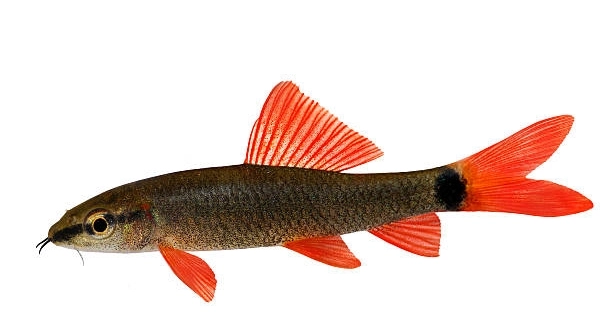
Rainbow Sharks are popular freshwater fish known for their sleek appearance and peaceful nature. They often spend time hiding, which can make them seem inactive or shy. Encouraging play helps them stay healthy and more engaging to watch.
To promote activity in your Rainbow Shark, provide a stimulating environment with hiding spots, plants, and open swimming areas. Regular interaction and varied enrichment, such as floating toys or gentle water movement, encourage natural play behavior.
Enhancing your fish’s environment can improve its well-being and make your aquarium more lively and enjoyable to observe.
Creating a Comfortable Environment
Rainbow Sharks thrive in environments that balance hiding places and open swimming areas. They feel safe when they have plenty of plants, rocks, or decorations to explore and hide behind. These structures mimic their natural habitat and reduce stress. A comfortable environment encourages your fish to swim more actively instead of hiding all the time. Adding live plants also helps improve water quality and oxygen levels, which benefits your fish’s health. Make sure the tank is large enough to give them room to swim freely. A tank size of at least 30 gallons is recommended for a single Rainbow Shark. Maintaining a stable water temperature between 72 and 79 degrees Fahrenheit supports their well-being. Regular water changes and monitoring the tank’s cleanliness will keep your fish happy and active.
A good environment directly impacts your Rainbow Shark’s willingness to engage in play. Proper habitat setup is essential.
Setting up your tank carefully creates a natural space that feels safe. Your Rainbow Shark will explore plants and rocks, increasing movement. The right balance of cover and open space keeps your fish curious and active. Clear, clean water with stable conditions helps them stay healthy and energetic. This combination makes it easier to encourage play behaviors. Consistency in tank maintenance prevents sudden stress that can cause inactivity. Overall, a thoughtfully designed aquarium supports your Rainbow Shark’s physical and mental health, promoting natural activity and interaction.
Introducing Toys and Enrichment
Toys and enrichment items can stimulate your Rainbow Shark’s curiosity and encourage play. Floating objects, gentle water currents, or even mirrors can create interest and movement.
Adding toys to the tank helps break the monotony of the environment. Items such as floating balls, tunnels, or gentle water pumps create new stimuli. These enrichments encourage your fish to investigate and interact more. Avoid overcrowding the tank with decorations, as it can restrict swimming space. Rotate toys regularly to maintain your Rainbow Shark’s interest. Use smooth and safe materials to prevent injury. Some owners have seen positive results by placing a mirror briefly to stimulate chasing behavior. Keep interactions gentle to avoid causing stress. Observing how your fish reacts to different enrichment tools helps identify what encourages play best. Enrichment is a simple but effective way to increase activity and engagement in your Rainbow Shark’s daily routine.
Regular Feeding Routine
Maintaining a consistent feeding schedule encourages your Rainbow Shark to stay active and anticipate mealtime. Feeding at the same times daily creates a routine that promotes natural foraging behavior.
Feeding small amounts two to three times a day keeps your Rainbow Shark engaged. Offering a variety of foods, including flakes, pellets, and occasional live or frozen treats, provides balanced nutrition. Avoid overfeeding, as excess food can pollute the tank and reduce water quality. Use feeding times to encourage your fish to swim actively by distributing food in different areas of the tank. This stimulates natural searching behavior and playfulness.
A stable feeding routine supports your fish’s health and mental stimulation. Varying the diet and food placement keeps feeding interesting and promotes movement. This simple approach helps reduce boredom and encourages your Rainbow Shark to explore the tank regularly.
Gentle Interaction and Observation
Spending time near the tank and observing your Rainbow Shark helps it become accustomed to your presence. This can encourage activity and reduce shyness over time.
Slow, gentle movements outside the tank prevent startling your fish. Occasionally tapping the glass softly or moving a finger near the surface can provoke mild curiosity and chasing behavior. Avoid sudden changes or loud noises around the aquarium to prevent stress. Consistent interaction builds familiarity and trust, which encourages more natural activity. Use these moments to watch how your fish reacts and what stimulates its interest. With patience, your Rainbow Shark will show more playful behavior and responsiveness to its environment.
Tank Lighting and Activity
Proper lighting influences your Rainbow Shark’s activity level. Moderate lighting that mimics natural day and night cycles helps regulate their behavior.
Avoid overly bright lights, which may cause stress and hiding. Use a timer to ensure consistent light periods, supporting their natural rhythm and encouraging play during daylight hours.
Tank Mates and Social Behavior
Rainbow Sharks can be territorial but generally tolerate peaceful tank mates. Introducing compatible fish encourages social interaction and can stimulate activity. Avoid aggressive species to prevent stress and injury.
A well-chosen community promotes natural behaviors, including play and exploration, which helps keep your Rainbow Shark engaged and active.
Water Quality Maintenance
Maintaining clean, stable water conditions is essential for your Rainbow Shark’s health. Regular water changes and monitoring reduce toxins and stress.
Healthy water supports energy levels, making your fish more likely to play and explore its environment.
Temperature Control
Consistent water temperature between 72°F and 79°F promotes your Rainbow Shark’s activity. Avoid sudden fluctuations to prevent stress and lethargy.
FAQ
How often should I feed my Rainbow Shark?
Feeding your Rainbow Shark two to three times a day with small portions works best. This frequency keeps them active and encourages natural foraging. Avoid overfeeding because leftover food can pollute the tank and harm water quality, leading to stress or illness.
What types of food are best for encouraging play?
A varied diet that includes high-quality flakes or pellets, along with occasional live or frozen foods like bloodworms or brine shrimp, provides essential nutrients. Variety also keeps your Rainbow Shark interested during feeding times, which promotes movement and play.
Can I use toys or mirrors to stimulate my Rainbow Shark?
Yes, but use them carefully. Floating toys or gentle water pumps can attract attention and encourage interaction. Briefly placing a mirror in the tank can stimulate chasing behavior but avoid prolonged exposure to reduce stress.
How important is tank size for my Rainbow Shark’s activity?
Tank size matters significantly. Rainbow Sharks need at least 30 gallons to swim comfortably. A larger tank provides enough space to explore and reduces territorial aggression, which helps promote natural and playful behavior.
What tank mates are best for Rainbow Sharks?
Choose peaceful species like danios, barbs, or tetras that don’t invade your Rainbow Shark’s territory. Avoid aggressive or very small fish, as they can stress your Rainbow Shark or become targets.
How can I tell if my Rainbow Shark is stressed?
Signs of stress include hiding excessively, loss of color, reduced appetite, and erratic swimming. Poor water quality, sudden changes in temperature, or aggressive tank mates often cause stress.
How often should I clean the tank to keep my Rainbow Shark active?
Regular maintenance is key. Perform 20-30% water changes weekly and monitor ammonia, nitrite, and nitrate levels. Clean filters as needed to ensure good water quality, which supports health and activity.
What is the ideal water temperature for encouraging play?
Keep the temperature stable between 72°F and 79°F. Sudden changes can cause lethargy or stress. A heater and thermometer help maintain consistent conditions.
Can lighting affect my Rainbow Shark’s behavior?
Yes, moderate lighting that mimics natural day-night cycles helps regulate activity. Avoid very bright lights, which can cause hiding, and use a timer to keep lighting consistent.
How can I safely introduce new toys or decorations?
Introduce one new item at a time and observe your fish’s reaction. Choose smooth, safe materials without sharp edges. Rotate toys periodically to maintain interest without overcrowding the tank.
Will regular interaction with me encourage my Rainbow Shark to play?
Consistent, gentle interaction helps your Rainbow Shark get used to your presence. Slow movements near the tank and soft taps on the glass can stimulate curiosity and mild chasing behavior.
How long does it take for a Rainbow Shark to become more active?
Activity levels vary by individual and environment. With proper care, a comfortable tank, and enrichment, you may notice increased activity within a few weeks.
Are live plants beneficial for encouraging play?
Yes, live plants improve water quality and provide natural hiding spots. Their presence encourages exploration and helps create a stimulating environment for your fish.
Is it normal for Rainbow Sharks to hide sometimes?
Yes, hiding is natural, especially if they feel stressed or need rest. Providing plenty of hiding spots and a calm environment reduces excessive hiding.
What should I do if my Rainbow Shark is not playing?
Check water quality, tank size, diet, and tank mates. Ensure proper lighting and enrichment. Adjust these factors gradually to encourage more activity without causing stress.
Final thoughts are important when caring for a Rainbow Shark to encourage play and keep it healthy. Creating a comfortable environment with enough space and hiding spots is the first step. These fish feel safer when they have places to explore and hide. A tank that is too small or crowded can cause stress, which makes the Rainbow Shark less active. Keeping the water clean and stable also plays a big role in their well-being. Regular water changes and monitoring water conditions help prevent stress and illness. A stable temperature within the recommended range keeps your fish comfortable and energetic.
Feeding your Rainbow Shark properly is another key factor. Providing a balanced diet with variety stimulates natural foraging behavior and encourages movement. Feeding small amounts multiple times a day helps maintain their energy without polluting the tank. Adding enrichment like toys, gentle water currents, or occasional mirrors can make the tank more interesting. These enrichments promote curiosity and play, helping your fish stay active. However, it is important not to overdo it and to watch how your fish responds. Every Rainbow Shark has its own personality and preferences, so observing their behavior is necessary to find what works best.
Interaction also encourages activity. Spending time near the tank, moving slowly, and offering gentle taps on the glass can help your Rainbow Shark become more comfortable with your presence. Over time, this builds trust and may lead to more playful behavior. Lighting that simulates natural cycles supports regular activity patterns. Lastly, choosing suitable tank mates that are peaceful helps reduce stress and promotes a lively tank environment. By following these guidelines, you create a healthy space where your Rainbow Shark can thrive and enjoy natural play. Consistency in care and patience are important to see the best results over time.

Hello,
If you enjoy the content that we create, please consider saying a "Thank You!" by leaving a tip.
Every little bit helps us continue crafting quality advice that supports the health, happiness, and well-being of pets around the world, for pets of all shapes, sizes, and species.
We really appreciate the kindness and support that you show us!