
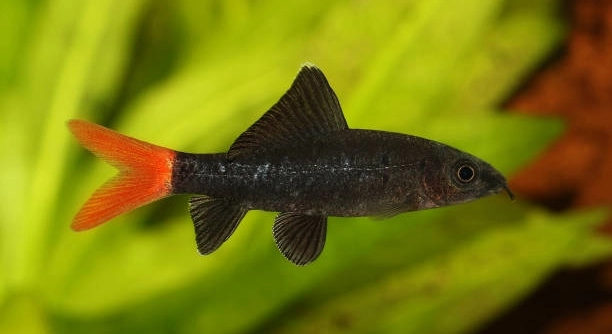
Caring for a Rainbow Shark requires attention to its living conditions to keep it healthy and active. Many fish owners want to create an environment that supports their pet’s natural behavior and well-being. Proper care ensures a longer, happier life for these colorful fish.
Rainbow Sharks need a well-maintained tank with adequate space, clean water, and stable temperature. Providing hiding spots and compatible tank mates reduces stress and promotes natural activity. Monitoring water quality and feeding habits is essential for their overall health.
Understanding these key aspects helps create a suitable habitat for your Rainbow Shark. This guide will offer practical tips to improve your fish’s environment and well-being.
Tank Size and Setup
A Rainbow Shark needs enough space to swim comfortably. A tank of at least 30 gallons is ideal to prevent overcrowding and reduce stress. The tank should have smooth gravel or sand as substrate to avoid injuring the fish’s delicate fins. Adding decorations like rocks, driftwood, and plants creates hiding spots that help your Rainbow Shark feel secure. These fish prefer dimmer lighting, so floating plants can help reduce brightness. Proper filtration is essential to keep the water clean and clear. Regular water changes also support a healthy environment by removing waste and toxins. Keeping the tank well-maintained prevents common health problems and keeps your fish active and vibrant.
A well-organized tank promotes better health and natural behavior. Providing enough room and hiding spots helps reduce aggression.
Setting up the tank properly is the first step toward ensuring your Rainbow Shark thrives. Taking care to balance decoration with swimming space and maintaining good water quality will keep your fish comfortable and stress-free. Regular tank cleaning, combined with monitoring water parameters like pH and ammonia levels, supports long-term health. The right setup prevents common issues such as fin rot or aggression caused by limited territory. When your Rainbow Shark has space to explore and safe places to retreat, it is more likely to show its natural, lively personality. This makes the tank more enjoyable for both the fish and the owner.
Water Quality and Temperature
Maintaining clean water is critical for Rainbow Sharks. They prefer water temperatures between 74 and 80 degrees Fahrenheit and a neutral to slightly acidic pH of 6.5 to 7.5.
Water quality affects fish health deeply. Use a reliable filtration system and test water regularly to catch any changes early. Ammonia, nitrite, and nitrate levels should be kept low to avoid stress and illness. Changing 20-30% of the water weekly helps maintain stability. Sudden temperature shifts can shock the fish, so keep the heater consistent. Using a water conditioner removes harmful chlorine and chloramine. Proper water care keeps Rainbow Sharks active and reduces the risk of disease, ensuring they remain a vibrant part of your aquarium.
Feeding Your Rainbow Shark
Rainbow Sharks need a varied diet to stay healthy. A mix of high-quality pellets, flakes, and occasional live or frozen foods works well.
Providing a balanced diet helps support their vibrant colors and energy. They enjoy algae wafers, bloodworms, and brine shrimp. Feeding small amounts two to three times daily prevents overfeeding and water pollution. Avoid feeding only flakes or pellets, as this can lead to nutritional deficiencies. Watching their eating habits ensures they receive enough food without leftover waste. This practice keeps the tank cleaner and your fish healthier.
It’s important to observe your Rainbow Shark during feeding time. Sometimes they may act shy or compete with tank mates, so placing food in different areas helps reduce stress. Supplementing their diet with vegetables like blanched zucchini or spinach can add essential nutrients. Overall, consistent feeding routines and varied nutrition contribute to the well-being of your Rainbow Shark and its long-term health.
Compatible Tank Mates
Rainbow Sharks can be territorial, so tank mates should be chosen carefully. Avoid keeping them with other bottom dwellers that share similar space.
Peaceful, mid to upper-level swimmers are best. Good companions include tetras, gouramis, and barbs, which usually avoid direct competition. Aggressive or slow-moving fish can lead to conflicts or stress. Keep the tank large enough to provide ample territory and hiding spots for all species. Monitoring interactions between fish regularly helps catch signs of aggression early. A well-balanced community tank reduces stress and allows your Rainbow Shark to thrive without constant conflict.
Lighting and Decorations
Rainbow Sharks prefer subdued lighting to mimic their natural environment. Bright lights can cause stress and hiding behavior. Using floating plants or adjustable lights helps control brightness.
Decorations should provide hiding spots and open swimming areas. Smooth rocks, caves, and plants create a balanced tank environment.
Monitoring Health
Regularly check your Rainbow Shark for signs of illness like faded color, clamped fins, or unusual behavior. Early detection helps prevent serious problems.
If you notice any changes, test water quality first. Poor water conditions often cause health issues, so keeping parameters stable is key to recovery.
Cleaning and Maintenance
Routine tank cleaning is essential for a healthy habitat. Remove uneaten food and debris to avoid water quality issues. Clean filters monthly or as needed to keep them efficient.
FAQ
How often should I feed my Rainbow Shark?
Feeding your Rainbow Shark two to three times a day in small portions is ideal. This routine prevents overfeeding, which can lead to poor water quality and health problems. Offer a mix of pellets, flakes, and occasional live or frozen foods to meet their nutritional needs.
What tank size is best for a Rainbow Shark?
A minimum tank size of 30 gallons is recommended. This provides enough swimming space and helps reduce territorial behavior. Larger tanks are even better, especially if you plan to keep tank mates or multiple Rainbow Sharks.
Can Rainbow Sharks live with other fish?
Yes, but tank mates should be chosen carefully. Avoid other bottom dwellers or aggressive species. Peaceful mid and upper-level swimmers like tetras or gouramis usually make good companions. Make sure the tank is large enough with plenty of hiding spots to prevent stress.
What water temperature is ideal for Rainbow Sharks?
Rainbow Sharks thrive in water temperatures between 74°F and 80°F (23°C to 27°C). Keeping the temperature stable within this range is important to avoid stress or illness.
How do I maintain water quality for my Rainbow Shark?
Regular water changes of 20-30% weekly help maintain water quality. Use a good filtration system and test the water regularly for ammonia, nitrite, nitrate, and pH levels. Keeping these parameters stable is essential for your fish’s health.
What should I do if my Rainbow Shark shows signs of illness?
Look for symptoms like faded color, clamped fins, or lack of movement. Test the water quality immediately, as poor water conditions are often the cause. If water parameters are normal, consult a fish health expert or consider treatment for common diseases such as fin rot or parasites.
How much decoration does my tank need?
Provide a balance between open swimming space and hiding spots. Use smooth rocks, caves, and plants to create areas where your Rainbow Shark can retreat. Avoid overcrowding the tank with decorations to prevent stress.
Can Rainbow Sharks live alone?
Yes, they can live alone and may even be less aggressive without other bottom dwellers. However, some owners prefer community tanks with compatible species to add diversity.
What do Rainbow Sharks eat in the wild?
In the wild, Rainbow Sharks feed on algae, small insects, and crustaceans. Replicating this diet with a variety of foods helps maintain their health and coloration in captivity.
How do I prevent aggression in a tank with a Rainbow Shark?
Provide enough space, hiding spots, and suitable tank mates. Avoid overcrowding and monitor fish behavior regularly. Separating aggressive fish or increasing tank size can reduce territorial disputes.
Is it necessary to use a heater in the tank?
Yes, maintaining a consistent temperature within the 74-80°F range requires a heater, especially in cooler climates. Sudden temperature changes can cause stress and illness.
How often should I clean the tank?
Weekly partial water changes and monthly filter maintenance are recommended. Remove uneaten food and debris regularly to prevent waste buildup and maintain a healthy environment.
Are there any specific water parameters to watch for?
Yes, pH should be between 6.5 and 7.5. Ammonia and nitrite levels must be zero, while nitrate should be kept low. Regular testing helps keep these parameters in check.
Can Rainbow Sharks jump out of the tank?
They can jump if startled or if the water conditions are poor. Using a secure lid reduces this risk and keeps your fish safe.
How long do Rainbow Sharks typically live?
With proper care, Rainbow Sharks can live 5 to 8 years. Good tank conditions, diet, and monitoring health contribute to a longer lifespan.
Final Thoughts
Taking care of a Rainbow Shark means paying attention to several important details. Providing a suitable tank size, maintaining clean water, and offering a balanced diet are key steps in keeping your fish healthy. These elements work together to create an environment where your Rainbow Shark can thrive and show its natural colors and behaviors. A well-set-up tank with proper lighting, decorations, and compatible tank mates helps reduce stress and aggression, which are common problems when conditions are not right.
Regular monitoring of water quality and fish health is also essential. Checking temperature, pH, and ammonia levels helps catch potential issues early before they become serious problems. Observing your Rainbow Shark’s behavior and appearance can alert you to signs of illness or discomfort. Keeping the tank clean with routine water changes and filter maintenance supports a stable environment. Good care practices help prevent diseases and promote a longer, healthier life for your fish.
Ultimately, a Rainbow Shark requires consistent care and attention to detail. Each aspect of its environment affects its well-being, so it is important to maintain balance in the tank. By understanding its needs and acting on them, you can create a comfortable and safe home for your fish. This not only benefits the Rainbow Shark but also makes your aquarium a more enjoyable and rewarding space. The effort put into maintaining the right conditions pays off in the form of a lively, colorful fish that adds beauty to your home.

Hello,
If you enjoy the content that we create, please consider saying a "Thank You!" by leaving a tip.
Every little bit helps us continue crafting quality advice that supports the health, happiness, and well-being of pets around the world, for pets of all shapes, sizes, and species.
We really appreciate the kindness and support that you show us!