
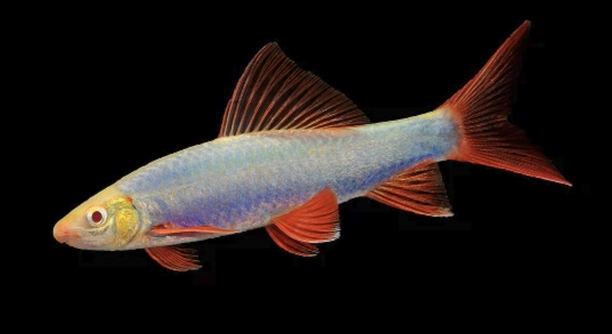
Many people enjoy keeping rainbow sharks in their aquariums because of their unique appearance and active behavior. Sometimes, these fish may start to swim oddly or show signs of discomfort. Understanding why this happens can help owners take better care of their pets.
Rainbow sharks may swim abnormally due to a range of factors including poor water quality, insufficient oxygen, stress from overcrowding, infections, swim bladder disorders, improper diet, or injury. Identifying and addressing these causes is essential for restoring normal behavior.
Recognizing these issues early can improve your rainbow shark’s health and keep your aquarium a peaceful environment. Learning about these common problems will help you provide the right care for your fish.
Poor Water Quality
Poor water quality is one of the main reasons your rainbow shark may not swim normally. When the tank water contains high levels of ammonia, nitrites, or nitrates, it can cause stress and harm to your fish. Dirty water can also reduce oxygen levels, making it hard for the shark to breathe properly. Regular water changes and monitoring water parameters are crucial to keeping the environment safe. Using a good filtration system helps remove waste and keeps the water clean. If water conditions worsen, your rainbow shark might swim erratically, gasp for air near the surface, or hide more often. It’s important to test the water frequently and take quick action when problems appear. Proper tank maintenance will prevent many health issues and keep your rainbow shark active and healthy.
Maintaining clean water helps ensure your rainbow shark swims naturally and stays healthy.
When water quality declines, toxins build up and stress the fish’s respiratory system. This can lead to erratic swimming patterns or lethargy. Poor water quality also weakens the immune system, increasing the chance of infections and diseases. Regular testing and cleaning maintain a stable environment, which supports normal behavior and long-term well-being.
Swim Bladder Disorders
Swim bladder problems can cause your rainbow shark to swim oddly or float upside down. This condition affects their balance and buoyancy control, making swimming difficult. It often results from overfeeding, constipation, or infections.
Swim bladder issues require careful attention to diet and tank conditions.
Adjusting your fish’s diet by feeding smaller amounts and including fiber-rich foods can help. Fasting for a day or two sometimes improves the situation. Keeping the tank clean and stress-free is also important. If symptoms continue, consulting a vet experienced with fish is recommended. Early care improves recovery chances and helps your rainbow shark regain normal swimming habits.
Stress and Overcrowding
Stress affects how your rainbow shark behaves and swims. Overcrowded tanks make it harder for them to find space, increasing stress levels.
Stress weakens the fish’s immune system and causes abnormal swimming. Rainbow sharks need enough room to swim freely and hide when they feel threatened. Overcrowding also leads to competition for food and territory. It’s important to keep the tank population balanced and provide hiding spots. Without these, your fish may become aggressive or inactive. Managing tank size and the number of fish is essential for their well-being and natural behavior.
Providing ample space and a calm environment helps your rainbow shark stay healthy and swim normally. Adjusting the number of fish and tank setup reduces stress and promotes better movement.
Infections and Diseases
Infections like bacterial or fungal diseases can affect your rainbow shark’s ability to swim properly. These illnesses often come from poor water quality or injuries.
Symptoms include clamped fins, lethargy, and abnormal swimming. Early treatment with proper medication is necessary to prevent serious health decline. Quarantining sick fish and improving tank conditions reduce infection risks. Good hygiene and routine tank cleaning help protect your fish. Left untreated, infections can cause permanent damage or death. Monitoring your fish regularly allows for quick responses to health problems.
Disease prevention starts with a clean tank and stress reduction. Healthy water and balanced nutrition strengthen your fish’s defenses. If you notice changes in swimming or appearance, act fast to ensure recovery.
Improper Diet
An improper diet can cause your rainbow shark to swim weakly or sluggishly. Feeding too much or the wrong foods disrupts their health and energy levels.
Balanced nutrition with high-quality pellets and occasional vegetables supports their activity. Avoid overfeeding to prevent digestive problems and obesity.
Injury
Injuries from sharp decorations or tank mates can affect swimming. Cuts, bruises, or fin damage cause pain and limit movement.
Treat wounds quickly and remove harmful objects. Keeping a safe tank environment helps prevent injuries and supports recovery.
Oxygen Deficiency
Low oxygen levels in the tank make it hard for your rainbow shark to breathe properly. This can cause erratic or slow swimming.
Improving aeration with air pumps or increasing surface agitation raises oxygen. Regular water changes also help maintain healthy oxygen levels for your fish.
FAQ
Why is my rainbow shark swimming sideways or upside down?
This is usually caused by a swim bladder disorder. The swim bladder helps control buoyancy, so if it’s affected by infection, constipation, or injury, your fish may lose balance. Adjusting diet and improving tank conditions often help, but severe cases might need veterinary care.
How often should I change the water in my rainbow shark tank?
Changing about 20-30% of the water weekly is recommended. Regular water changes help keep ammonia, nitrite, and nitrate levels low, which is vital for your fish’s health. Frequent partial changes support a stable environment and reduce stress.
Can overcrowding really affect how my rainbow shark swims?
Yes, overcrowding causes stress, which impacts swimming behavior. When there’s not enough space, fish compete for territory and food, leading to aggression or hiding. Providing a large enough tank with plenty of hiding spots helps reduce stress and encourages natural swimming.
What signs show my rainbow shark might be sick?
Look for clamped fins, loss of appetite, lethargy, abnormal swimming, and visible sores or spots. These symptoms often indicate infection or poor water quality. Early detection and treatment are key to recovery.
What should I feed my rainbow shark to keep it healthy?
A balanced diet includes high-quality sinking pellets or flakes designed for bottom feeders, plus occasional vegetables like zucchini or peas. Avoid overfeeding, which can cause digestive problems and swim bladder issues.
How do I know if the water quality in my tank is good?
Test kits for ammonia, nitrites, nitrates, and pH levels help monitor water quality. Ammonia and nitrites should be at zero, nitrates below 20 ppm, and pH around 6.5-7.5. Clear water and no strong odors also indicate good conditions.
Can stress cause my rainbow shark to stop swimming normally?
Yes, stress weakens the immune system and alters behavior. Stress factors include overcrowding, sudden changes in water temperature, aggressive tank mates, or poor water quality. Reducing these stressors improves swimming and overall health.
What can I do if my rainbow shark is injured?
Isolate the injured fish in a quarantine tank if possible to prevent further harm. Clean and disinfect any cuts or wounds with aquarium-safe treatments. Removing sharp decorations and aggressive tank mates prevents future injuries.
How important is tank size for rainbow sharks?
Tank size greatly affects their well-being. Rainbow sharks need at least 30 gallons to swim freely and establish territory. A cramped tank increases stress, aggression, and abnormal swimming. Bigger tanks with hiding spots support natural behavior.
Are infections common in rainbow sharks?
Yes, infections happen if water quality is poor or fish are injured. Bacterial and fungal infections are the most common. Maintaining clean water, quarantining new fish, and treating illnesses early reduce infection risks.
Why does my rainbow shark gasp at the water surface?
Gasping often signals low oxygen levels or poor water quality. It can also indicate stress or illness. Increasing aeration and improving water conditions usually help restore normal breathing and swimming.
Can changing the tank environment help my rainbow shark swim better?
Yes, providing hiding places, smooth decorations, and plants helps reduce stress and prevent injuries. Stable water temperature and clean conditions also promote healthy swimming. A well-maintained environment supports your fish’s natural behavior.
Taking care of a rainbow shark means paying attention to many small details that affect how it swims and behaves. Problems like poor water quality, stress, injuries, and diet can all cause your fish to swim abnormally. Keeping the tank clean and stable is very important. Testing the water regularly and doing timely water changes help keep the environment safe. When the water is good, your rainbow shark will feel more comfortable and swim naturally. Overcrowding should be avoided, and tank mates should be chosen carefully to reduce stress and aggression. A calm and balanced environment supports healthy activity and growth.
Diet also plays a big role in your fish’s health. Feeding a balanced diet with good-quality pellets and fresh vegetables will provide the nutrients your rainbow shark needs. Overfeeding can lead to swim bladder problems or other health issues, so portion control is important. Sometimes fasting your fish for a day or two can help if digestion problems arise. If you notice any injuries or signs of infection, acting quickly with treatment is essential. Removing sharp objects from the tank and isolating sick fish can help prevent the problem from spreading or worsening.
Overall, understanding the reasons why your rainbow shark may not swim normally helps you provide better care. Paying attention to water quality, tank size, diet, and health can prevent many common problems. When your fish is healthy and stress-free, it will swim confidently and enjoy its home. Watching over your rainbow shark closely and making small adjustments can make a big difference in its well-being. With proper care, your rainbow shark can live a long, happy life in your aquarium.

Hello,
If you enjoy the content that we create, please consider saying a "Thank You!" by leaving a tip.
Every little bit helps us continue crafting quality advice that supports the health, happiness, and well-being of pets around the world, for pets of all shapes, sizes, and species.
We really appreciate the kindness and support that you show us!