
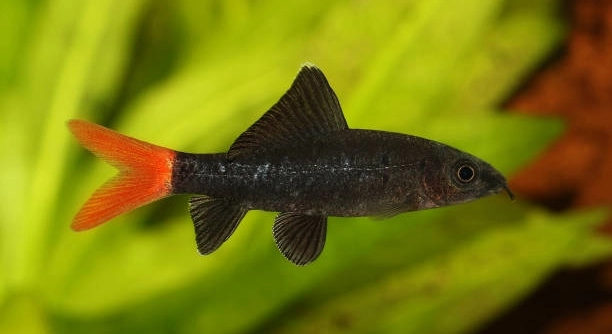
Rainbow sharks are popular aquarium fish known for their striking colors and active nature. Feeding them properly is essential for their health and well-being. Recognizing the signs of insufficient food helps keep these fish thriving in your tank.
When rainbow sharks do not receive enough food, they often exhibit signs such as reduced activity, weight loss, faded coloration, and constant searching behavior. These indicators suggest nutritional deficiency and require prompt attention to prevent health decline.
Knowing these signs early can help you improve your fish’s diet and overall care. This guide will cover the key symptoms to watch for and ways to support your rainbow shark’s nutrition.
Decreased Activity and Lethargy
When a rainbow shark is not getting enough food, one of the first signs is decreased activity. These fish are usually quite active, swimming around the tank energetically. If you notice your rainbow shark spending more time hiding or resting at the bottom, it may be a sign of hunger or weakness. Over time, insufficient nutrition can lead to lethargy, making the fish less responsive to its environment. It is important to observe their usual behavior closely to detect changes early. Lack of food reduces energy levels, affecting their ability to swim and interact as normal. This slowdown may also make the fish more vulnerable to diseases since its immune system weakens with poor nutrition. Proper feeding routines help maintain their lively nature and promote a healthy tank atmosphere. Adjusting the amount or frequency of food can quickly improve activity levels and overall vitality.
Reduced activity can be a clear sign your rainbow shark is underfed. Monitoring movement helps prevent long-term harm.
In addition to behavior, pay attention to how your fish responds to feeding time. If it shows little interest or delays approaching food, this might also signal a problem. Sometimes, other tank mates may compete for food, leaving the rainbow shark underfed despite regular feeding. Ensuring the right food type and feeding in multiple spots can help. Consistent feeding schedules and quality food support the shark’s energy and health, allowing it to swim actively and maintain its beautiful colors. Recognizing these subtle changes early ensures your rainbow shark stays healthy and strong.
Weight Loss and Physical Changes
Weight loss in rainbow sharks is often visible when they do not get enough food. Their bodies may appear thinner, with the belly looking sunken or shrunken compared to healthy fish. Physical changes can also include a loss of vibrant coloration, as malnutrition affects pigment production. This can make the fish look dull or faded. The fins may seem less full and sometimes clamped tightly to the body. These signs indicate the fish is struggling to maintain its condition and needs immediate nutritional support. A steady diet of balanced food is necessary to prevent such deterioration. Regularly checking your fish’s physical state can help catch these changes before they become severe.
Physical changes like thinning bodies and dull colors show clear signs of underfeeding.
If left unaddressed, weight loss weakens the rainbow shark and makes it more prone to infections. Malnourished fish may develop secondary problems like fin rot or skin infections. To avoid this, offer a variety of foods rich in protein and nutrients suited for omnivorous fish. Supplementing flakes or pellets with frozen or live foods can improve their diet. Feeding smaller amounts more frequently can help the fish digest better and absorb nutrients more efficiently. Observing these physical signs and adjusting feeding habits early supports recovery and long-term health. Consistent care is essential for keeping your rainbow shark vibrant and robust.
Constant Searching for Food
Constant searching for food is a common behavior in underfed rainbow sharks. They may swim rapidly along the tank walls or sift through substrate more often than usual. This restless movement indicates they are trying to find food to satisfy their hunger.
This behavior happens because the fish is not receiving enough nutrition. Rainbow sharks naturally forage throughout the tank, but if they appear to be searching continuously, it is a sign of insufficient feeding. They may even approach other fish during mealtime, trying to steal food or eat leftovers. Over time, this stress can impact their health and comfort in the tank environment. Ensuring they receive enough food regularly helps reduce this behavior and keeps them calmer and more content.
Sometimes, even if you feed the fish daily, the amount or type of food may not be enough. Rainbow sharks need a diet that includes both plant matter and protein. Feeding with high-quality flakes or pellets along with occasional live or frozen foods satisfies their nutritional needs. When the fish feels full and secure, the searching behavior decreases, and they become more relaxed in their surroundings.
Faded Coloration
Faded coloration is a noticeable sign your rainbow shark might not be getting enough food. Their usual bright colors become dull or washed out. This change occurs because the nutrients responsible for vibrant pigmentation are missing from their diet.
A well-balanced diet with essential vitamins and minerals is necessary to maintain the shark’s bright colors. When deprived of these nutrients, the fish’s colors will slowly lose intensity, making them less attractive and healthy-looking. This fading signals underlying health issues related to poor nutrition. Feeding a variety of foods rich in carotenoids and other pigments helps restore and maintain the shark’s vivid appearance over time.
Color loss can also be a sign of stress or illness, but poor diet is a common cause. Make sure to provide foods specifically designed for color enhancement, such as those containing spirulina or krill. Consistency in feeding and a clean tank environment support pigment retention. If the fish’s colors do not improve after dietary changes, other health problems may need to be considered and addressed promptly.
Clamped Fins
Clamped fins are a clear sign of discomfort in rainbow sharks. When the fins stay close to the body instead of spreading out, it may indicate stress or poor health caused by lack of food.
This behavior often shows the fish is feeling weak or vulnerable. Clamped fins reduce mobility and make the fish appear smaller. Addressing feeding habits and tank conditions usually helps the fins return to normal.
Aggression Toward Tank Mates
Lack of sufficient food can cause rainbow sharks to act aggressively toward other fish. Hunger drives them to compete more fiercely for limited resources in the tank. This aggression may include chasing, nipping, or guarding food areas.
Feeding smaller portions more frequently and ensuring all fish get access to food can reduce aggressive behavior. Maintaining a balanced diet for the rainbow shark helps lower stress and keeps the tank peaceful.
Slow Growth
Slow growth is often a sign that a rainbow shark is not receiving adequate nutrition. Without enough food, they cannot develop properly or gain healthy weight.
Ensuring a varied and nutrient-rich diet is essential for their growth. Regularly monitoring size and adjusting feeding routines helps keep the fish healthy and growing as expected.
Reduced Appetite
Reduced appetite can indicate underlying issues, including inadequate feeding. A rainbow shark not getting enough food may begin to lose interest in eating.
Monitoring feeding response closely helps identify if diet or tank conditions need improvement to encourage regular eating habits.
FAQ
How often should I feed my rainbow shark?
Rainbow sharks do best when fed small amounts two to three times a day. Overfeeding can lead to water quality issues, while underfeeding causes health problems. It’s important to offer enough food that they can finish in a few minutes without leftovers.
What type of food is best for rainbow sharks?
A varied diet works best. High-quality sinking pellets or flakes designed for omnivorous fish are ideal. Supplementing with live or frozen foods like bloodworms, brine shrimp, or vegetable matter helps provide essential nutrients for good health and coloration.
Can tank mates affect my rainbow shark’s feeding?
Yes, aggressive or fast-eating tank mates may outcompete rainbow sharks for food. Feeding in multiple spots or separating during feeding can help ensure your rainbow shark gets enough. Observing mealtime behavior is key to making adjustments.
What signs show my rainbow shark is hungry but not eating?
Signs include constant searching, clamped fins, or fading colors. The fish may swim nervously or ignore food. These behaviors suggest stress or illness and should be addressed with improved feeding and water quality.
Is it normal for rainbow sharks to refuse food sometimes?
Occasional refusal can happen due to stress or water changes. Persistent refusal indicates a problem such as illness or poor diet. Monitor your fish closely and adjust feeding or tank conditions as needed.
How can I tell if my rainbow shark is underfed?
Look for signs like weight loss, faded colors, slow growth, and decreased activity. If these appear, evaluate feeding amounts and food quality. Ensuring a balanced diet and consistent feeding helps prevent underfeeding issues.
What should I do if my rainbow shark shows signs of malnutrition?
Increase feeding frequency with small amounts and improve diet quality by adding live or frozen foods. Maintain excellent tank conditions and monitor the fish’s response. Consult a vet if symptoms persist despite dietary changes.
Can poor water quality affect my rainbow shark’s appetite?
Yes, poor water conditions cause stress and illness, reducing appetite. Regular water testing and maintenance improve fish health and encourage normal feeding behavior.
Are there foods to avoid feeding rainbow sharks?
Avoid foods that float too long or lack necessary nutrients. Also, refrain from feeding solely plant-based or protein-only diets. Balanced, species-appropriate foods are best to support health and coloration.
How long can a rainbow shark go without food?
Rainbow sharks can survive a few days without food but should not be left hungry for long. Prolonged fasting weakens their immune system and overall condition.
Does tank size influence feeding behavior?
Tank size affects how much food is needed and how easily fish find it. Overcrowded tanks increase competition and stress, possibly reducing individual feeding success.
What role does temperature play in feeding?
Water temperature influences metabolism. At lower temperatures, rainbow sharks eat less and digest slower. Keeping water in the proper range helps maintain appetite and digestion.
How can I improve feeding for a shy rainbow shark?
Feed in quieter tank areas or use feeding rings to concentrate food. Feeding when tank lights are dimmer can also reduce stress and encourage eating.
Can supplements help improve my rainbow shark’s nutrition?
Vitamin supplements may help if the diet lacks variety. However, high-quality food usually meets all nutritional needs when fed properly.
How do I prevent overfeeding while ensuring enough nutrition?
Feed small amounts several times a day, watching for uneaten food. Adjust portions based on fish behavior and tank conditions to balance nutrition without polluting the water.
What are signs of a healthy, well-fed rainbow shark?
Bright colors, active swimming, regular feeding response, and steady growth show good health. Consistency in these signs indicates proper nutrition and care.
Can stress cause feeding issues in rainbow sharks?
Stress from tank changes, aggressive fish, or poor water quality can reduce appetite. Addressing these factors supports better feeding habits.
Is it necessary to change feeding habits with fish growth?
Yes, younger fish need more frequent feeding and higher nutrition levels. Adjust as the fish matures to support ongoing health.
Should I feed my rainbow shark at night?
Rainbow sharks are mostly active during the day but may feed at dusk. Feeding in the evening can be beneficial if daytime feeding is missed.
How do I know if my rainbow shark is getting too much food?
Leftover food, cloudy water, and sluggish fish are signs of overfeeding. Reducing portions helps maintain water quality and fish health.
Final Thoughts
Proper feeding is essential for the health and happiness of your rainbow shark. Recognizing the signs of insufficient food early can prevent serious problems. When these fish do not get enough to eat, their behavior, appearance, and overall condition change noticeably. Watching for decreased activity, weight loss, faded colors, and constant searching helps you identify when adjustments are needed. Feeding the right amount and type of food is key to maintaining their energy and vibrant look. Consistency in feeding routines supports their well-being and helps them thrive in a home aquarium.
It is important to remember that rainbow sharks need a balanced diet to stay healthy. They are omnivores, meaning they require both plant-based and protein-rich foods. Offering a variety of foods, including pellets, flakes, and occasional live or frozen treats, ensures they receive necessary nutrients. Overfeeding can cause water quality problems, while underfeeding weakens the fish. Finding the right balance takes observation and care. Feeding smaller portions multiple times a day often works best. This approach helps your fish digest food properly and reduces waste in the tank, creating a healthier environment for everyone.
Maintaining good water quality and monitoring tank conditions also affect how well your rainbow shark eats and grows. Stress from poor water quality, overcrowding, or aggressive tank mates can reduce appetite and cause health issues. Regular water testing and proper tank maintenance are necessary to keep the environment stable. Being aware of your fish’s behavior and physical changes is the best way to support their nutritional needs. With the right care, feeding habits, and attention, your rainbow shark can remain an active, colorful, and enjoyable member of your aquarium for years to come.

Hello,
If you enjoy the content that we create, please consider saying a "Thank You!" by leaving a tip.
Every little bit helps us continue crafting quality advice that supports the health, happiness, and well-being of pets around the world, for pets of all shapes, sizes, and species.
We really appreciate the kindness and support that you show us!