
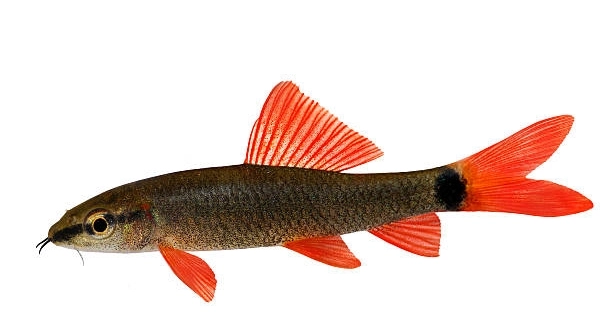
Do you ever find yourself worrying about how to keep your rainbow shark healthy and active for as long as possible? These colorful freshwater fish need more than just food and water to thrive.
The key to helping your rainbow shark live a long, healthy life is providing proper tank conditions, a well-balanced diet, minimal stress, and regular monitoring of its health and behavior.
From tank setup and water quality to diet and behavior tips, this guide will walk you through essential steps for rainbow shark care.
Provide the Right Tank Size and Setup
Rainbow sharks need enough space to swim and explore. A tank that’s too small can lead to stress, territorial behavior, and health issues. A minimum of 55 gallons is recommended for a single rainbow shark. Avoid placing them in small community tanks, especially with fish of similar shape or behavior. Add rocks, driftwood, and plants to break the line of sight and reduce aggression. This helps the shark feel secure and limits territorial disputes. Keep the tank covered, as rainbow sharks may jump. Maintain a soft substrate to avoid damaging their sensitive underbelly while they explore.
A larger tank gives your rainbow shark room to grow and behave naturally. It also helps keep water conditions more stable, which reduces stress and disease risk.
The setup you choose plays a big role in how your fish behaves and adapts. A proper tank layout promotes movement, lowers aggression, and gives your rainbow shark a healthier environment.
Maintain Clean and Stable Water Conditions
Clean water is essential for your rainbow shark’s health. Dirty or unstable conditions can lead to stress, poor appetite, and even illness. Regular testing helps keep levels like ammonia, nitrite, and nitrate in check.
Use a high-quality filter suitable for your tank size. Perform weekly water changes of about 20–30%. Keep the water temperature steady between 72–79°F, and avoid sudden shifts. pH levels should stay between 6.5 and 7.5. Always dechlorinate tap water before adding it to the tank. A heater and thermometer will help maintain temperature stability. Avoid overcrowding the tank, as more fish lead to faster buildup of waste. Uneaten food and decaying plants should be removed quickly to prevent spikes in ammonia. Having live plants can also help maintain better water quality. Stable, clean water keeps your rainbow shark’s immune system strong and reduces the chances of common health problems like fin rot and ich.
Feed a Balanced and Consistent Diet
Rainbow sharks need a mix of nutrients to stay healthy. A varied diet supports their immune system, keeps their colors bright, and helps prevent issues like bloating or poor growth. Feed small amounts once or twice daily. Avoid overfeeding, as it can pollute the tank.
Offer high-quality sinking pellets as their main food source. You can also give them frozen or live foods like bloodworms and brine shrimp once or twice a week. Include blanched vegetables like zucchini or spinach to provide fiber. Avoid feeding only one type of food, as this can lead to deficiencies. Watch your rainbow shark during feeding—if it’s not eating or acting strangely, that might signal stress or illness. Keep a consistent feeding schedule to support digestion and reduce aggressive behavior caused by hunger.
A proper diet does more than satisfy hunger—it helps your rainbow shark live longer and behave more calmly. They’re more active, their fins stay in better condition, and they’re less prone to infections. A healthy fish will also show better coloration and engage more with its environment. Always remove uneaten food after feeding to avoid spoiling the water. Clean, nutritious feeding is one of the simplest ways to support a healthy tank.
Choose Compatible Tank Mates Carefully
Rainbow sharks are territorial and may chase or nip tank mates that look too similar or invade their space. To reduce stress and aggression, only keep them with peaceful, fast-moving fish that occupy other areas of the tank. Avoid other bottom dwellers or similarly shaped species.
Good tank mates include barbs, danios, or rainbowfish, as they tend to stay in the mid or upper levels of the tank. These fish are quick enough to avoid conflict and can live peacefully alongside a rainbow shark. Do not house more than one rainbow shark unless you have a very large tank with plenty of hiding spots. Even then, it’s risky. Aggressive encounters can lead to injuries or death. If your rainbow shark seems constantly agitated or is bullying other fish, consider rearranging the tank decorations to disrupt territory lines. Sometimes, this can calm them down. Careful planning will help keep the peace.
Limit Stress and Disruptions
Too much activity around the tank can stress your rainbow shark. Loud noises, sudden movements, or frequent changes to the tank setup should be avoided. Stress can weaken their immune system and lead to illness or aggressive behavior. Keep their environment stable and calm.
Use background paper or plants to reduce outside disturbances. Avoid tapping the glass or moving decorations often. If your rainbow shark is hiding more than usual or losing color, it might be feeling stressed. A quiet space with consistent lighting helps keep them calm and active.
Monitor Health and Behavior
Watch your rainbow shark daily for changes in behavior, appetite, or appearance. Signs like clamped fins, erratic swimming, spots, or dull color can point to health problems. Acting quickly can make treatment more effective. Keep medications on hand for common issues like ich or fin rot. Always quarantine new fish before adding them to the main tank. This prevents introducing diseases to an otherwise healthy tank. Use a soft net when needed, and avoid handling them directly. Clean tank equipment regularly, and keep a simple log of water tests and changes in behavior. This helps you catch small issues early.
Give Them Time to Adjust
When first added to a new tank, rainbow sharks may act shy or aggressive. Give them a few days to settle. Avoid crowding the tank or introducing new fish right away. Let them adapt slowly.
FAQ
How long do rainbow sharks usually live?
Rainbow sharks typically live between 5 to 8 years when kept in proper conditions. With good care—such as a clean tank, healthy diet, and low-stress environment—some can even reach 10 years. Lifespan depends on many factors including genetics, water quality, tank mates, and overall care.
Can rainbow sharks live with other rainbow sharks?
Keeping more than one rainbow shark in the same tank is not recommended unless the aquarium is very large (at least 125 gallons or more). They are highly territorial and often fight with one another. Even in big tanks, there’s a strong chance of aggression and injury.
Why is my rainbow shark hiding all the time?
It’s common for rainbow sharks to hide, especially when they are new to the tank. They may also hide if they’re feeling stressed, sick, or threatened by other fish. Check your water conditions, lighting, and tank mates to identify any possible stressors.
What size tank do I really need?
A 55-gallon tank is the minimum for a single rainbow shark. Anything smaller increases the risk of territorial issues, stress, and poor health. Larger tanks offer more space to swim, better water stability, and more room for compatible tank mates.
What do rainbow sharks eat?
They eat sinking pellets, live or frozen protein (like bloodworms), and vegetables like zucchini or spinach. Avoid feeding them only one type of food. A varied, balanced diet helps them grow properly and keeps their immune system strong.
Can rainbow sharks jump out of the tank?
Yes, they can. Always keep a secure lid on the tank. If your rainbow shark feels startled or stressed, it may try to jump. Tank covers prevent accidents and help maintain a stable environment.
Why is my rainbow shark being aggressive?
Aggression usually comes from territorial behavior. They don’t like sharing space, especially with bottom-dwelling or similar-looking fish. Rearranging decorations, adding more hiding spots, and ensuring proper tank size can help reduce aggression.
Do they need live plants?
Live plants aren’t required, but they’re helpful. Plants give cover, improve water quality, and reduce stress. They also help break up sightlines, which lowers territorial behavior. Choose sturdy plants like Anubias or Java fern that can handle activity near the substrate.
How can I tell if my rainbow shark is male or female?
It’s hard to tell by just looking. Males are usually slimmer and have brighter coloring. Females may appear slightly rounder, especially when viewed from above. Without breeding behavior, visual differences are not always reliable.
Is it okay to keep them with bottom feeders like corydoras?
It’s risky. Rainbow sharks often see bottom feeders as competition. They may chase or nip them, especially in smaller tanks. If you try this combination, make sure the tank is large, with lots of space and hiding spots.
Do rainbow sharks need a heater?
Yes. They need a steady temperature between 72–79°F. A heater helps keep the water within that range, especially in cooler seasons or rooms. Use a reliable thermometer to check temperature daily. Sudden drops can stress or harm them.
How often should I clean the tank?
Clean the tank weekly by changing 20–30% of the water. Also remove uneaten food and check the filter regularly. Avoid deep cleaning everything at once, as this can disrupt the tank’s beneficial bacteria. Keeping up with regular care keeps your fish healthy.
Final Thoughts
Caring for a rainbow shark takes patience and planning, but the rewards are worth it. These fish are active, interesting to watch, and full of personality. They do best in a clean, spacious tank with calm tank mates and steady care. While they may not always be easy to manage, following the right steps can make a big difference in how they live and grow. A balanced diet, good water quality, and the right setup help prevent many of the common problems rainbow sharks face in home aquariums.
Sticking to a routine is one of the best things you can do for their health. Test your water regularly, feed them a mix of food, and take time to observe their behavior. These small habits add up over time and help you notice any issues before they get worse. Rainbow sharks are sensitive to change, so it’s important to keep their environment stable. Avoid overcrowding the tank or making sudden changes. Even things like loud noises or bright lights can stress them out. When they feel safe, rainbow sharks are more likely to stay active, eat well, and interact with their surroundings.
Many people choose rainbow sharks for their looks, but it’s important to understand their needs beyond appearance. These fish aren’t always peaceful and may not be the best choice for a tank full of small, slow-moving fish. Still, with a bit of planning, you can build a setup that works for everyone. If you take the time to meet their needs, your rainbow shark can live for many years in good health. Each fish is different, so be patient as you learn what works best for yours. Whether you’re new to keeping fish or have some experience, giving your rainbow shark the right care helps ensure it lives a long, healthy life.

Hello,
If you enjoy the content that we create, please consider saying a "Thank You!" by leaving a tip.
Every little bit helps us continue crafting quality advice that supports the health, happiness, and well-being of pets around the world, for pets of all shapes, sizes, and species.
We really appreciate the kindness and support that you show us!