
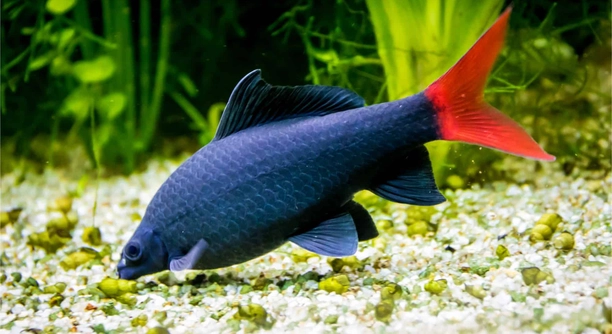
Rainbow Sharks are popular freshwater fish known for their striking colors and active behavior. They can sometimes struggle when introduced to new tankmates. Helping them adjust properly can ensure a peaceful and healthy aquarium environment.
Successful integration of Rainbow Sharks with other fish requires careful monitoring of tank conditions, gradual introductions, and consideration of compatible species. Establishing territories and minimizing stress through proper tank setup can improve cohabitation and reduce aggressive behaviors.
Understanding these key steps will help you maintain harmony in your tank. Proper guidance makes all the difference for your Rainbow Shark’s wellbeing and tankmate relationships.
Preparing the Tank for New Tankmates
Before introducing new fish to your Rainbow Shark’s tank, it is important to prepare the environment properly. Make sure the tank is large enough to accommodate all fish comfortably, as Rainbow Sharks can be territorial. Provide plenty of hiding spots with decorations, plants, or caves to reduce stress. Maintain clean water by checking filtration and performing regular water changes. Stable water parameters, such as temperature and pH, are essential to prevent additional stress. Keeping the tank well-oxygenated and ensuring enough swimming space will encourage peaceful interactions. By creating a suitable habitat, you set a strong foundation for the fish to coexist peacefully.
A properly prepared tank helps reduce aggression and stress among fish. It supports the natural behaviors of both Rainbow Sharks and their tankmates.
Taking time to adjust the tank can prevent many common problems. It allows your Rainbow Shark to feel secure while giving other fish space to establish their own territories. This preparation also helps maintain overall tank health and balance, which benefits every aquatic resident. Clear territories and adequate space reduce confrontations, making the tank a calmer environment for all fish involved.
Introducing Tankmates Gradually
Introducing new tankmates should be done slowly to avoid triggering aggression. Start by quarantining new fish for a few weeks to ensure they are healthy. Once added to the main tank, introduce them in small numbers, allowing the Rainbow Shark to get used to their presence gradually. Rearranging decorations during introduction can help disrupt established territories, reducing territorial disputes. Monitor fish behavior closely, especially during the first few days, to address any signs of stress or aggression promptly.
Patience during introductions can make a significant difference in how well the fish adapt. Slow, careful introduction promotes peaceful cohabitation.
Gradual introduction allows your Rainbow Shark to adapt without feeling threatened. It helps the new tankmates settle and establish their own spaces safely. Avoid overcrowding the tank, as this increases stress and territorial conflicts. If aggression occurs, consider separating the fish temporarily to prevent injury. Always observe interactions closely during this period to ensure all fish are adjusting well. Taking these steps reduces risks and promotes a harmonious tank environment where all species can thrive peacefully.
Choosing Compatible Tankmates
Choosing the right tankmates is crucial for Rainbow Sharks. Avoid overly aggressive or very small fish that may be stressed or harmed. Select species that thrive in similar water conditions and sizes.
Compatible fish often share similar temperaments or occupy different tank levels. Examples include peaceful bottom dwellers and fast-swimming mid-level fish. Avoid other territorial bottom fish to reduce conflicts. Look for species that won’t compete heavily for food or space. Compatibility helps keep stress low and promotes peaceful coexistence. By selecting appropriate tankmates, you create a balanced environment where each fish can thrive without constant confrontation. This careful choice reduces chances of bullying and injury, contributing to a healthier tank overall.
Monitoring fish interactions after adding new tankmates is essential. Even compatible species may need time to adjust. Be ready to intervene if aggression increases, as some personalities vary. Adjusting the tank layout can also help reduce tensions by providing more hiding spots and visual barriers. Overall, selecting suitable companions is one of the most effective ways to maintain peace in a community aquarium with Rainbow Sharks.
Managing Feeding and Territory
Proper feeding routines help reduce territorial disputes. Feed fish evenly and avoid overfeeding, which can cause water quality issues. Use multiple feeding spots to reduce competition.
Establishing clear territories helps Rainbow Sharks feel secure. Use plants and decorations to create natural boundaries. This reduces direct confrontations and allows each fish to claim space. Regular observation is important to spot any signs of territorial aggression. If disputes arise, rearranging the tank can disrupt established territories and ease tensions. Ensuring fish have enough space to retreat when needed minimizes stress and supports healthier behaviors. Balancing feeding and territory management is key to a peaceful aquarium environment.
Monitoring Behavior Closely
Watching your Rainbow Shark and its tankmates regularly is important. Early signs of stress or aggression can prevent bigger problems later on. Keep an eye on their interactions daily.
Any sudden changes in behavior, like chasing or hiding, should be addressed immediately. This helps maintain a calm tank environment and supports the health of all fish.
Maintaining Water Quality
Clean and stable water conditions are essential for reducing stress and aggression. Regular water testing and changes keep the tank healthy. Poor water quality can cause illness and increase hostility among fish.
Maintaining proper filtration and avoiding overcrowding further supports water quality. Consistency in these practices helps Rainbow Sharks and their tankmates thrive peacefully.
Providing Proper Hiding Spots
Hiding spots give fish a safe place to retreat and reduce stress. Use plants, rocks, and decorations to create plenty of shelters in the tank. These areas help lower conflicts.
Adjusting Tank Layout When Needed
Rearranging decorations can help break up territories if aggression becomes a problem. Changing the layout often calms territorial fish and encourages a fresh start in the tank’s social structure.
FAQ
How long does it take for a Rainbow Shark to adjust to new tankmates?
Adjustment times vary, but it generally takes several days to a few weeks. During this period, the fish learn to recognize each other and establish territories. Patience is key, as rushing introductions often leads to stress or aggression. Observing behavior carefully helps identify when the tankmates have settled.
What are the best tankmates for a Rainbow Shark?
Ideal tankmates are peaceful, moderately sized fish that occupy different levels of the tank. Species like Corydoras catfish, danios, and certain tetras often work well. Avoid small, slow-moving fish or other territorial bottom dwellers, as these can provoke conflict. Matching water requirements is also essential for compatibility.
Why is my Rainbow Shark acting aggressively toward new fish?
Rainbow Sharks are territorial, especially in confined spaces. Aggression usually occurs when the tank is too small, hiding spots are insufficient, or new fish invade established territories. Stress, poor water quality, or overcrowding can worsen aggression. Improving tank conditions and adding barriers can reduce hostility.
Can Rainbow Sharks live peacefully with other bottom dwellers?
Generally, no. Rainbow Sharks prefer to dominate bottom areas and may view other bottom dwellers as competition. This can lead to constant fighting. Providing enough space and hiding places may help, but choosing mid-level or top-dwelling tankmates is usually safer for harmony.
How should I introduce new fish to a tank with a Rainbow Shark?
Introduce new fish gradually, ideally after quarantining them. Rearranging decorations before introduction helps reset territories. Adding fish in small groups reduces pressure. Monitor interactions closely for signs of aggression. Be ready to separate fish temporarily if conflicts arise to prevent injury.
What signs indicate that my Rainbow Shark is stressed?
Signs include hiding excessively, loss of appetite, rapid breathing, or increased aggression. Stress may also cause duller colors or erratic swimming. Addressing water quality, tank size, and social factors can help reduce stress. Early detection is important for the fish’s health and tank harmony.
Is it necessary to feed Rainbow Sharks differently when they have tankmates?
No special feeding method is needed, but it’s important to feed evenly to avoid competition. Use multiple feeding spots so all fish have access to food. Avoid overfeeding, as this affects water quality and may increase aggression. High-quality sinking pellets usually work well for Rainbow Sharks.
What should I do if aggression doesn’t stop after trying all adjustments?
If aggression continues despite changes, consider separating the aggressive fish. Sometimes individual temperament causes problems that cannot be fixed by environment alone. Using a divider or moving the Rainbow Shark to another tank may be the best option to protect all fish.
How often should I clean the tank to support peaceful coexistence?
Regular water changes every one to two weeks are recommended. Cleaning the substrate and checking filters helps maintain water quality. A clean environment reduces stress and aggression. Monitoring water parameters frequently ensures that conditions remain stable for all inhabitants.
Can adding more hiding spots always reduce aggression?
Adding hiding spots usually helps, but it’s not a guarantee. If the tank is too small or the fish are overly territorial, aggression may still occur. Hiding places give stressed fish a refuge and help break sight lines, which can reduce conflicts. It is one of several tools to maintain peace.
Are Rainbow Sharks compatible with community tanks?
Yes, if carefully planned. Rainbow Sharks can live in community tanks with suitable species and proper tank size. Attention to compatibility, tank setup, and monitoring is necessary. When these factors are balanced, Rainbow Sharks can coexist peacefully with other fish.
What tank size is recommended for a Rainbow Shark with tankmates?
A minimum of 30 gallons is advised for one Rainbow Shark with a few tankmates. Larger tanks provide more space and reduce territorial disputes. Overcrowding leads to stress and aggression. A spacious tank supports natural behaviors and healthier relationships between fish.
Final Thoughts
Helping your Rainbow Shark adjust to new tankmates requires careful planning and attention. It is important to prepare the tank properly by providing enough space, hiding spots, and stable water conditions. A well-maintained environment reduces stress and helps fish feel secure. Taking time to gradually introduce new fish allows everyone to get used to each other without unnecessary tension. These steps are essential for creating a peaceful and healthy aquarium.
Monitoring your Rainbow Shark’s behavior and interactions with tankmates is an ongoing task. Watching for signs of stress or aggression early on can prevent bigger problems. Adjusting the tank layout or feeding routine can often help calm tensions and encourage harmony. Sometimes, despite all efforts, certain fish may not get along, and separation might be necessary. Understanding the needs of your Rainbow Shark and its companions allows you to make informed decisions to support their wellbeing.
Maintaining good water quality and proper tank conditions is fundamental to success. Regular cleaning, water testing, and avoiding overcrowding create a stable environment where all fish can thrive. Patience and consistency are key when managing a community tank with Rainbow Sharks. With thoughtful care and attention, your Rainbow Shark and its tankmates can coexist peacefully, making your aquarium a balanced and enjoyable space.

Hello,
If you enjoy the content that we create, please consider saying a "Thank You!" by leaving a tip.
Every little bit helps us continue crafting quality advice that supports the health, happiness, and well-being of pets around the world, for pets of all shapes, sizes, and species.
We really appreciate the kindness and support that you show us!