
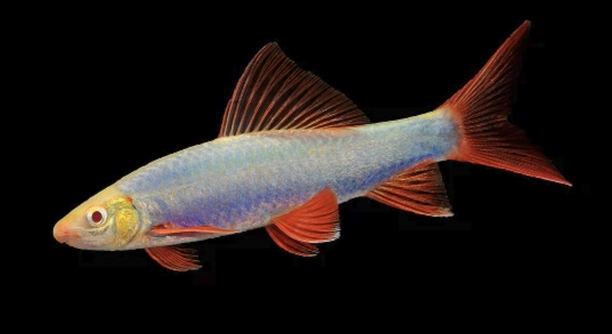
Rainbow sharks are popular aquarium fish known for their striking colors and active behavior. Many owners want to ensure their fish remain happy and healthy without feeling isolated. Proper care involves understanding their social needs and tank environment.
Rainbow sharks can become lonely if kept alone in inadequate environments. Providing companions, proper tank size, hiding spots, and environmental enrichment reduces loneliness and promotes natural behavior and well-being. These measures are essential for maintaining their social health.
Maintaining a balanced aquarium setup supports your rainbow shark’s comfort and social interactions. The following advice will help keep your fish engaged and content in its home.
Choose Compatible Tank Mates
Selecting the right tank mates for your rainbow shark is important for its social well-being. Rainbow sharks are territorial, especially in smaller tanks, so companions should be chosen carefully. Avoid aggressive or very passive fish that may stress your shark. Ideal tank mates include larger, fast-moving fish that occupy different areas of the tank, such as danios or barbs. It is also helpful to keep multiple rainbow sharks only in very large tanks to prevent fighting. Compatibility reduces stress and loneliness, promoting healthier behavior and appearance. When introducing new fish, observe their interactions closely and be prepared to separate them if needed. The goal is a balanced community where the rainbow shark feels secure and not threatened.
Choosing compatible tank mates helps ensure a harmonious environment that supports your rainbow shark’s mental and physical health. Careful selection and monitoring can prevent conflicts and loneliness.
A peaceful community tank with diverse but compatible fish can keep your rainbow shark active and engaged. This variety encourages natural behaviors and reduces boredom. Observing how fish interact will guide you in maintaining balance. Adjustments may be necessary if tensions arise. Proper research before adding fish will save stress and promote a healthier aquarium.
Provide Ample Space and Hiding Places
Rainbow sharks need enough space to swim freely and claim territories. A tank size of at least 30 gallons is recommended for one shark. More sharks or other fish require larger tanks to reduce territorial disputes. Hiding places are equally important. Use decorations, plants, and caves to create secure spots where your shark can retreat when feeling threatened. These spaces reduce stress and mimic natural environments, helping the fish feel less isolated. Without adequate space and shelter, rainbow sharks may become aggressive or withdrawn. Keep the tank clean and maintain stable water conditions, as these also affect their comfort and social behavior.
A spacious tank with plenty of hiding places supports your rainbow shark’s well-being and reduces loneliness.
Providing a comfortable environment with space and cover encourages natural behavior and decreases stress. Thoughtful tank setup plays a vital role in your rainbow shark’s happiness.
Maintain Consistent Feeding Schedule
Feeding your rainbow shark regularly helps reduce stress and prevents loneliness-related behaviors. A consistent feeding schedule keeps them active and engaged.
Balanced nutrition with varied food types is essential. Offer high-quality pellets, flakes, and occasional live or frozen foods like bloodworms or brine shrimp. Feeding twice daily in small amounts prevents overfeeding and water pollution. Avoid sudden changes in diet to keep the fish comfortable. Proper nutrition supports health, coloration, and energy levels, making your rainbow shark more active and social.
Keep an eye on feeding habits and adjust portions if leftovers accumulate. Uneaten food can harm water quality and fish health. Monitoring feeding also helps detect illness early if appetite changes. Consistency is key to maintaining a healthy, happy rainbow shark.
Regular Tank Cleaning and Water Quality
Clean water is crucial for your rainbow shark’s comfort and social behavior. Maintain water parameters within safe ranges, testing weekly.
Perform regular partial water changes, about 20-30% weekly, to remove toxins and maintain clarity. Use a good filtration system appropriate for the tank size, and clean the filter media monthly without removing beneficial bacteria. Remove uneaten food and debris during water changes. Stable water conditions reduce stress and help prevent disease, supporting better interaction between fish.
Poor water quality causes discomfort, making rainbow sharks less active or aggressive. Clear, stable water fosters natural behavior and longevity. Consistent cleaning and monitoring improve overall tank health and your fish’s mood.
Encourage Natural Behavior
Providing a varied environment helps your rainbow shark express natural behaviors. Include plants, rocks, and driftwood for exploration.
Stimulating surroundings prevent boredom and reduce loneliness by keeping the fish active and curious.
Avoid Overcrowding
Too many fish in the tank cause stress and aggression, making your rainbow shark feel unsafe. Keep stocking levels appropriate for tank size.
Overcrowding limits swimming space and increases competition for food and hiding spots, leading to loneliness and poor health.
Monitor Behavior Closely
Watch your rainbow shark daily for signs of stress, aggression, or withdrawal. Early detection helps prevent problems from worsening.
Changes in behavior can indicate loneliness or health issues that need addressing quickly.
Use Gentle Lighting
Bright or harsh lighting can stress rainbow sharks. Opt for softer, natural light to create a calm environment.
Gentle lighting helps your fish feel secure and reduces anxiety.
How can I tell if my rainbow shark is lonely?
A lonely rainbow shark may show signs of lethargy, hiding more than usual, or becoming overly aggressive. It might also lose its vibrant colors or stop eating properly. Observing changes in behavior compared to its usual activity levels is important. Loneliness can cause stress, which affects health and longevity.
What tank size is best to prevent loneliness?
At least 30 gallons is recommended for one rainbow shark. Larger tanks are needed if you plan to keep multiple sharks or other active fish. More space reduces territorial disputes and provides enough room for natural swimming and hiding. A cramped tank often leads to stress and loneliness.
Can rainbow sharks live with other species?
Yes, but tank mates should be chosen carefully. Avoid small, slow-moving, or very aggressive fish. Compatible species like danios, barbs, or larger tetras are good options. The goal is to create a peaceful community where the rainbow shark does not feel threatened or stressed.
Is it better to keep more than one rainbow shark?
Multiple rainbow sharks can be kept only in large tanks (over 55 gallons) with plenty of hiding spaces. Otherwise, they may fight due to territorial behavior. If kept alone in a well-maintained tank with suitable tank mates and enrichment, one shark can be happy without companions.
How often should I feed my rainbow shark?
Feeding twice a day in small portions is ideal. Overfeeding can harm water quality, while underfeeding causes stress and weakens the fish. Offer a balanced diet of pellets, flakes, and occasional live or frozen foods to meet nutritional needs.
What types of hiding places work best?
Use caves, plants (real or artificial), rocks, and driftwood to create multiple hiding spots. These provide security and reduce stress. Hiding places help the fish feel safe, especially if other tank mates are present or during rest periods.
How important is water quality for preventing loneliness?
Water quality is crucial. Poor water conditions cause stress and illness, making the fish less active and more withdrawn. Regular water testing, partial water changes, and proper filtration keep the environment healthy, reducing loneliness and promoting natural behavior.
Can lighting affect my rainbow shark’s behavior?
Yes, bright or harsh lighting can cause stress and make your fish hide or become inactive. Soft, natural lighting is best for creating a calm environment where the rainbow shark feels secure and comfortable.
What signs of aggression should I watch for?
Look for chasing, biting, or damaged fins. Aggression often happens if the tank is too small or if incompatible fish are present. Addressing tank size, hiding spots, or tank mate choices can reduce these issues and improve social interactions.
How do I enrich my rainbow shark’s environment?
Adding plants, decorations, and varying tank layout stimulates natural behavior. Introducing new objects occasionally keeps the environment interesting. This enrichment reduces boredom and prevents loneliness by encouraging exploration and activity.
What should I do if my rainbow shark seems stressed?
Check water quality, tank mates, and hiding spots first. Stress can come from poor conditions or aggression. Adjust the tank setup, perform water changes, and consider separating aggressive fish. Consistent care and a calm environment help the fish recover.
Is it necessary to keep a rainbow shark with other fish?
Not necessarily. Rainbow sharks can live happily alone if the tank is large enough and well-maintained. Proper environmental enrichment and good water quality are key to their well-being without needing companions.
Can stress from loneliness lead to health problems?
Yes, prolonged stress weakens the immune system, making the fish susceptible to disease. It can also cause loss of appetite and color fading. Preventing loneliness and stress is important for maintaining your rainbow shark’s health.
How do I introduce new fish to the tank?
Introduce new fish slowly and monitor interactions closely. Quarantine new fish if possible to prevent disease. Adding new tank mates during feeding times can reduce aggression. Be prepared to separate fish if signs of conflict appear.
What is the best way to keep my rainbow shark active?
Provide a spacious tank, varied environment, and regular feeding schedule. Use tank decorations to encourage exploration and natural swimming. Active fish are less likely to become lonely or stressed.
Taking care of a rainbow shark requires attention to both its physical and social needs. Ensuring the fish does not become lonely is important for its overall health and happiness. Providing a suitable environment with enough space, proper tank mates, hiding places, and consistent care helps maintain a balanced aquarium. Rainbow sharks are active and territorial fish that benefit from stimulation and proper companionship. Ignoring these needs can lead to stress, aggression, and illness.
Maintaining water quality and a stable routine plays a major role in preventing loneliness. Regular cleaning, proper filtration, and controlled feeding schedules create a healthy habitat that supports natural behavior. Offering a varied diet and observing the fish’s habits are equally important. A well-fed, comfortable rainbow shark is more likely to be active and engage with its surroundings. The tank setup, including lighting and decorations, should aim to mimic their natural environment, reducing stress and encouraging exploration.
Overall, caring for a rainbow shark involves a combination of environment, companionship, and attentive care. While they can live alone if conditions are right, many benefit from the presence of compatible tank mates. The right tank size and hiding places reduce territorial conflicts and support social needs. By following these simple guidelines, the rainbow shark’s quality of life improves, resulting in a vibrant and active fish. Proper care ensures your aquarium remains a peaceful and healthy space for all its inhabitants.

Hello,
If you enjoy the content that we create, please consider saying a "Thank You!" by leaving a tip.
Every little bit helps us continue crafting quality advice that supports the health, happiness, and well-being of pets around the world, for pets of all shapes, sizes, and species.
We really appreciate the kindness and support that you show us!