
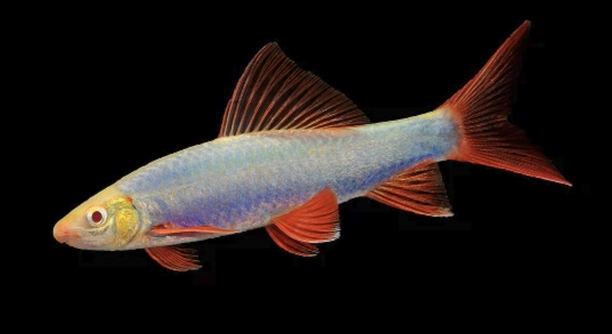
Rainbow sharks are popular aquarium fish known for their striking colors and active behavior. Sometimes, they can act shy or hide more than usual, causing concern for their owners. Understanding their behavior is important for a healthy tank environment.
When a rainbow shark is unusually shy, it is often due to stressors like poor water quality, insufficient hiding spots, aggressive tank mates, or improper tank conditions. Addressing these factors can help restore their natural activity and reduce hiding behavior.
Recognizing these causes early allows you to make quick adjustments that improve your rainbow shark’s comfort. This article will guide you through practical fixes to help your fish feel more secure and active.
Check Water Quality and Parameters
Water quality is one of the most important factors affecting your rainbow shark’s behavior. Poor water conditions can stress the fish and cause it to hide more than usual. Test the water regularly for ammonia, nitrite, nitrate, and pH levels. Keep ammonia and nitrite at zero, nitrate under 20 ppm, and maintain a stable pH between 6.5 and 7.5. Temperature should be steady between 75°F and 80°F. Frequent water changes, around 25% weekly, help maintain these levels. If water parameters are off, it’s common for rainbow sharks to become shy or lethargic. Adding a water conditioner can help remove chlorine or chloramine. Clean filters regularly but avoid disturbing beneficial bacteria too much. Proper filtration and aeration improve oxygen levels, which can also affect activity. Ensuring good water quality creates a comfortable environment, making your fish feel safe and more active.
Keeping water clean prevents health problems and supports natural behavior. Regular monitoring is key.
By maintaining good water conditions, you provide a stable home for your rainbow shark. This reduces stress and encourages it to explore the tank rather than hide. Clean, well-oxygenated water improves the fish’s immune system, helping it resist diseases that might make it less active. A balanced environment also promotes growth and vibrant colors. If you notice any sudden changes in water quality, act quickly to correct them. Keeping your tank clean and well-maintained is one of the easiest ways to support your rainbow shark’s health and reduce shy behavior. It takes a little effort but makes a big difference in how your fish feels and behaves.
Provide Adequate Hiding Spots
Rainbow sharks naturally seek shelter when they feel threatened or stressed. Providing enough hiding places helps them feel secure. Use decorations like caves, rocks, or dense plants to create safe spots. These areas allow the fish to rest without feeling exposed. Avoid overcrowding the tank, but make sure there are several options for shelter. If the tank lacks hiding spots, your rainbow shark may hide more and avoid open swimming areas. Having places to retreat reduces stress and encourages more normal activity.
Adding hiding spots improves comfort and reduces anxiety. It helps shy fish come out more often.
With adequate hiding places, your rainbow shark can control when to be visible and when to take cover. This gives the fish confidence, lowering stress levels and making it less likely to stay hidden all the time. Good hiding spots also mimic their natural environment, which helps them feel at ease. Remember to arrange decorations so they don’t block swimming space or create aggressive territories. By balancing shelter and open areas, your tank becomes a healthy environment for all fish. Proper shelter encourages exploration while providing safety, which is important for the well-being of a shy rainbow shark.
Avoid Aggressive Tank Mates
Aggressive fish can stress rainbow sharks, causing them to hide more. Keep your rainbow shark with peaceful or similarly sized fish to reduce bullying. Avoid fast or territorial species that might chase or nip at them.
Stress from aggressive tank mates makes rainbow sharks withdraw and become shy. Aggression disrupts their feeding and swimming habits, leading to poor health. Observe interactions closely and separate any fish causing trouble. Provide enough space and hiding spots to minimize conflicts. Compatibility in temperament and size helps rainbow sharks feel safer and more comfortable in the tank. A calm community tank encourages natural activity and reduces hiding behavior.
If aggression persists, consider rehoming the aggressive fish or upgrading the tank size. Keeping a peaceful tank ensures your rainbow shark can thrive without constant fear or stress.
Maintain Proper Tank Size
A tank that is too small limits the rainbow shark’s space and can cause stress. A minimum of 30 gallons is recommended for one adult rainbow shark. This allows enough room for swimming and establishing territory.
Crowded tanks increase competition for resources and can make fish feel trapped, leading to shy or withdrawn behavior. Larger tanks give more room for hiding spots and swimming, which helps reduce stress. Overcrowding can also increase waste buildup, further degrading water quality. Providing ample space supports your rainbow shark’s natural behaviors and helps keep it active and healthy. When upgrading the tank, consider adding decorations that enhance the environment without limiting swimming space.
Choosing the right tank size and setup creates a balanced habitat, making your rainbow shark feel secure and confident.
Adjust Lighting Conditions
Bright or harsh lighting can make rainbow sharks feel exposed and shy. Use dim or adjustable lighting to create a more comfortable environment. Soft lighting mimics their natural habitat and reduces stress.
Providing shaded areas with plants or decorations helps your fish avoid constant bright light. This encourages them to explore without feeling threatened.
Monitor Diet and Feeding
A balanced diet supports your rainbow shark’s health and activity levels. Offer a variety of foods such as sinking pellets, algae wafers, and occasional live or frozen treats. Avoid overfeeding, which can pollute the tank and cause lethargy.
Healthy nutrition improves energy and reduces hiding behavior. Feed smaller amounts several times a day rather than one large meal to keep your fish engaged and active.
Reduce Sudden Changes
Sudden changes in temperature, water, or environment can stress rainbow sharks and cause them to hide. Keep conditions stable and avoid rapid shifts during water changes or tank rearrangements.
Gradual adjustments help fish adapt without becoming shy or stressed, promoting consistent activity.
FAQ
Why is my rainbow shark hiding all the time?
Rainbow sharks often hide because they feel stressed or unsafe. Common reasons include poor water quality, aggressive tank mates, lack of hiding spots, or sudden changes in their environment. When these conditions aren’t ideal, the fish retreats to feel more secure and avoid threats.
How can I tell if my rainbow shark is stressed?
Signs of stress include hiding frequently, reduced appetite, faded colors, and sluggish movement. Sometimes, a stressed rainbow shark may also scrape against decorations or show signs of illness. Watching your fish closely can help identify these behaviors early.
What water parameters are best for rainbow sharks?
Maintain a temperature between 75°F and 80°F, pH between 6.5 and 7.5, and keep ammonia and nitrite at zero. Nitrate should stay under 20 ppm. Regular water testing and weekly partial water changes help keep these levels stable.
Can tank size affect my rainbow shark’s behavior?
Yes, a tank smaller than 30 gallons can cause stress and make your fish shy. Rainbow sharks need space to swim and claim territory. Larger tanks reduce aggression and improve overall comfort.
What tank mates are suitable for rainbow sharks?
Peaceful, medium-sized fish work best. Avoid aggressive or very small species that may nip or chase them. Good tank mates reduce stress and promote natural behavior.
How often should I feed my rainbow shark?
Feed small amounts two to three times a day. Overfeeding can pollute the water and cause health issues. A varied diet with pellets, algae wafers, and occasional live food keeps them healthy and active.
Why is my rainbow shark not eating?
Lack of appetite often relates to stress, illness, or poor water quality. Check the environment and water parameters. Also, try different foods to see if they prefer something else. Sometimes, shy fish eat less until they feel safe.
Is it normal for rainbow sharks to be shy?
They are naturally semi-aggressive and active, but can become shy if stressed or uncomfortable. Shyness is often a sign that something in the tank needs attention.
How can I reduce stress for my rainbow shark?
Keep water clean, provide hiding spots, avoid aggressive tank mates, maintain stable temperature, and offer a balanced diet. These steps create a calm environment where the fish can feel secure.
What should I do if my rainbow shark stays hidden after trying fixes?
Review water quality, tank mates, and tank size again. If everything looks good, consider consulting an aquatic specialist or vet. Persistent hiding could indicate illness or deeper issues.
Can lighting affect my rainbow shark’s behavior?
Yes, bright or harsh lights can make them hide. Using dim lighting or creating shaded areas with plants and decorations helps the fish feel safer and more relaxed.
How important are hiding spots in the tank?
Very important. Hiding spots give your rainbow shark places to retreat when feeling threatened or stressed. Without these, the fish may stay hidden more often and not swim openly.
Will frequent water changes upset my rainbow shark?
Sudden large water changes can stress your fish. Perform regular partial water changes, around 25%, to keep water clean without drastic changes in conditions.
How can I encourage my shy rainbow shark to come out more?
Create a safe environment with good water quality, hiding spots, and peaceful tank mates. Feed regularly and maintain stable conditions. Over time, the fish will feel more confident and active.
When your rainbow shark is acting shy, it often signals that something in its environment needs attention. Stress factors like poor water quality, aggressive tank mates, or insufficient hiding spots can make the fish feel unsafe and cause it to hide more than usual. By checking these conditions carefully and making improvements, you can help your rainbow shark feel more comfortable and secure. Maintaining a clean tank with stable water parameters is essential, as unhealthy water can quickly affect the fish’s behavior and health. Regular water testing and partial water changes keep the environment stable, which encourages your fish to be more active.
Providing enough hiding places is another important way to support your rainbow shark. These fish naturally seek shelter when they feel vulnerable or threatened. Adding decorations such as caves, plants, and rocks gives your fish options to retreat without feeling exposed. A tank with well-planned hiding spots helps reduce anxiety and allows the rainbow shark to control when it wants to rest or explore. It’s also important to choose tank mates carefully, as aggressive or territorial fish can cause stress and force your rainbow shark to stay hidden. Peaceful companions and adequate swimming space help create a balanced community where your fish can thrive.
Finally, paying attention to other factors like proper feeding and lighting can make a difference in your rainbow shark’s behavior. Feeding small amounts multiple times a day with varied food supports health and energy levels. Avoid overfeeding to prevent water quality issues. Adjusting the lighting to softer, dimmer levels can reduce stress, as harsh light often makes shy fish retreat. Keeping the tank stable, comfortable, and safe overall will encourage your rainbow shark to show its natural colors and active personality. Taking these steps patiently and consistently will improve your fish’s well-being and create a more enjoyable aquarium experience.

Hello,
If you enjoy the content that we create, please consider saying a "Thank You!" by leaving a tip.
Every little bit helps us continue crafting quality advice that supports the health, happiness, and well-being of pets around the world, for pets of all shapes, sizes, and species.
We really appreciate the kindness and support that you show us!