
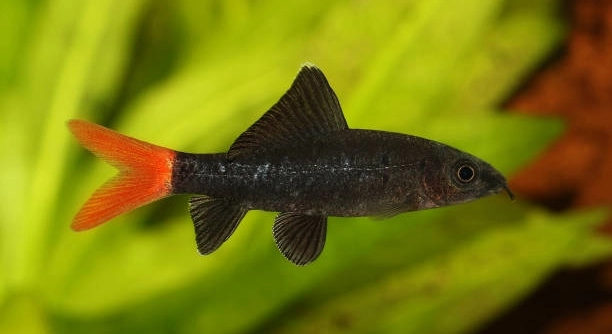
Are your rainbow sharks showing signs of territorial behavior that disrupt your aquarium’s balance? Managing their natural instincts can be challenging but is essential for a peaceful tank environment. Knowing the right steps helps keep your fish healthy and stress-free.
Managing territorial behavior in rainbow sharks involves providing ample space, hiding spots, and compatible tank mates. Consistent monitoring and tank maintenance reduce aggression and promote coexistence, ensuring a stable aquatic environment conducive to the species’ natural behavior.
Implementing these tips will create a calmer habitat, improving your rainbow sharks’ well-being and overall tank harmony.
Provide Enough Space
Rainbow sharks need plenty of room to swim and establish their territories without constant conflict. A tank smaller than 55 gallons can increase aggressive behavior because the fish feel cramped. When there is limited space, they cannot avoid each other, leading to more frequent fights. Ideally, the tank should be long rather than tall to allow horizontal swimming and separate territories. Adding decorations like rocks and plants creates natural boundaries, giving each fish its own space. These hiding spots help reduce stress by providing safe retreats. Without enough room, rainbow sharks will compete over territory aggressively, risking injury and stress. Keeping the tank spacious is the first step to managing territorial disputes and ensuring the fish can coexist peacefully.
Keeping a larger tank allows rainbow sharks to claim separate areas and reduces aggressive encounters significantly.
Careful tank planning helps balance territory and swimming needs. A spacious setup paired with decorations creates clear boundaries. This arrangement encourages calm behavior by minimizing confrontations and providing security zones. Each fish benefits from having its own area, which reduces stress and aggression. This setup also mimics their natural habitat, improving overall health. Tank size and layout are key factors in controlling territorial behavior effectively.
Choose Compatible Tank Mates
Rainbow sharks are semi-aggressive and can be territorial, especially with fish that share similar body shapes or swimming levels. Choosing peaceful, fast-swimming fish that occupy different areas of the tank reduces conflict. Avoid slow-moving or long-finned species, as they are likely targets of aggression. Ideal tank mates include species like danios or barbs that swim actively in the upper tank levels. Keeping only one rainbow shark per tank helps prevent territorial fights between them. Introducing new fish gradually allows for better adaptation and reduces stress for all inhabitants. Compatibility depends on balancing temperament, size, and swimming habits to maintain a peaceful community tank.
Compatible tank mates reduce aggressive behavior by occupying different swimming zones and having non-threatening temperaments.
Selecting the right companions for rainbow sharks involves understanding their territorial nature and semi-aggressive behavior. Peaceful fish that swim in other tank areas help distribute activity and avoid constant competition. Introducing species that are quick and alert prevents bullying and promotes harmony. Avoid overcrowding, which increases stress and triggers fights. Monitoring fish interactions regularly helps identify and resolve issues early. Proper mate selection creates a balanced ecosystem where rainbow sharks can thrive without undue aggression, benefiting the entire aquarium community.
Maintain Clean Water Conditions
Clean water is essential for reducing stress and aggression in rainbow sharks. Poor water quality can increase territorial disputes as fish become irritated and more defensive. Regular water changes and proper filtration keep the tank healthy and the fish calm.
Maintaining good water quality means performing regular water changes, typically 20-30% weekly. Using a reliable filtration system removes waste and toxins that could harm fish health. Monitoring parameters such as ammonia, nitrite, nitrate, and pH ensures the water remains stable and safe. Stress from dirty water weakens fish immune systems, making aggression more likely. Clean water supports natural behavior and reduces fighting over territory by keeping the environment comfortable for all inhabitants.
In addition to water changes, avoid overcrowding to reduce waste buildup. Test water regularly and adjust care routines accordingly. Keeping the tank environment stable minimizes triggers that cause territorial behavior. Good hygiene practices, including removing uneaten food and debris, further improve water quality. Together, these steps create a peaceful habitat where rainbow sharks can thrive without unnecessary stress or aggression.
Establish Visual Barriers
Visual barriers in the tank help separate rainbow sharks and prevent constant eye contact, which can provoke fights. Using plants, rocks, and decorations divides the space and gives fish areas to hide and rest.
Strategically placing these barriers creates smaller zones within the tank, reducing the feeling of intrusion. Rainbow sharks benefit from having a sense of privacy, which lowers stress and aggression. Dense plant clusters and tall decorations offer excellent cover, allowing fish to retreat and feel secure. Avoid open tanks with minimal hiding spots, as this encourages territorial conflicts due to lack of refuge. Visual separation mimics their natural environment, promoting healthier social interactions.
Barriers also help interrupt aggressive pursuits, giving chased fish a place to escape. This design supports peaceful coexistence by balancing territorial instincts with safety. Careful arrangement of decorations improves overall tank dynamics and helps maintain harmony among all fish, especially semi-aggressive species like rainbow sharks.
Feed Consistently
Feeding rainbow sharks a balanced diet at regular times helps reduce competition and aggression. Hungry fish tend to become more territorial as they protect food sources.
Offering varied foods such as pellets, flakes, and occasional live or frozen treats ensures nutritional needs are met. Overfeeding should be avoided to maintain water quality and prevent health problems.
Monitor Behavior Regularly
Watching your rainbow sharks’ behavior closely helps identify early signs of stress or aggression. Intervening promptly can prevent serious injuries or ongoing conflicts.
Avoid Overcrowding
Too many fish in one tank increases stress and territorial disputes. Keeping a proper stocking level is crucial for maintaining peace and health among rainbow sharks.
How can I tell if my rainbow shark is being too territorial?
Territorial behavior in rainbow sharks often shows as chasing, nipping, or aggressive posturing toward other fish. You might see your shark defending a specific area of the tank, especially around hiding spots or feeding zones. Persistent attacks or signs of stress in other fish usually indicate territorial issues.
What is the ideal tank size to reduce aggression?
A tank of at least 55 gallons is recommended for one rainbow shark. This size gives enough space to establish separate territories and reduces constant confrontation. Larger tanks with ample swimming room help diffuse tension and allow fish to avoid each other when needed.
Can I keep more than one rainbow shark in the same tank?
Keeping multiple rainbow sharks together can be challenging because they are naturally territorial. If you try it, ensure the tank is very large (75 gallons or more) and has plenty of visual barriers and hiding spots. Even then, some aggression may occur.
What types of tank mates work best with rainbow sharks?
Fast-swimming, peaceful fish that occupy different tank levels are good choices. Species like danios, barbs, and some tetras tend to avoid conflict because they swim near the top, while rainbow sharks prefer the bottom. Avoid slow-moving or long-finned fish, as they may become targets.
How often should I change the water in my aquarium?
Regular water changes are essential to maintain a healthy environment. Changing 20-30% of the water weekly keeps toxins low and stress levels down. Clean water reduces aggression and supports natural fish behavior.
What kind of diet is best to keep rainbow sharks calm?
A balanced diet with high-quality sinking pellets or wafers designed for bottom feeders works well. Supplement with occasional live or frozen foods like bloodworms or brine shrimp. Feeding consistent portions at regular times helps reduce competition and territorial fights over food.
Do decorations really help reduce aggression?
Yes, decorations like rocks, driftwood, and plants create visual barriers and separate territories. This prevents constant eye contact and aggressive chasing. Hiding spots also give fish places to retreat and feel safe, reducing stress and fights.
Can poor water quality cause territorial behavior?
Yes, poor water conditions increase stress, which can make rainbow sharks more aggressive. Ammonia, nitrite, or nitrate spikes irritate fish, causing defensive and territorial actions. Maintaining clean water with proper filtration and regular changes is vital.
Is it normal for rainbow sharks to chase each other sometimes?
Some chasing is natural because they defend their space. However, frequent or severe chasing that leads to injury is a problem. Monitoring behavior helps determine when intervention is needed, such as rearranging the tank or separating aggressive individuals.
What should I do if one rainbow shark is bullying the others?
If bullying occurs, try adding more hiding places or rearranging decorations to break up sightlines. You may need to isolate the aggressive fish temporarily. Increasing tank size or adjusting stocking levels can also help reduce tension.
Can lighting affect territorial behavior?
Bright lighting can increase fish activity and sometimes aggression. Providing shaded areas or dimming lights at certain times can create a more natural environment and calm territorial instincts.
Are there signs of stress I should watch for in my rainbow shark?
Signs include hiding excessively, loss of color, rapid breathing, or refusing food. Stress often results from poor water quality, overcrowding, or aggressive tank mates. Addressing these issues quickly prevents escalation of territorial disputes.
How long do rainbow sharks typically live?
With proper care, rainbow sharks live around 5 to 8 years. Maintaining good water quality, a balanced diet, and managing aggression contributes to their health and longevity.
Is it necessary to feed live food regularly?
Live food is not necessary but can be given occasionally as a treat to provide variety and encourage natural hunting behaviors. Most rainbow sharks do well on a prepared diet supplemented with frozen or live foods.
What should I avoid when setting up a tank for rainbow sharks?
Avoid overcrowding, small tanks, and keeping multiple rainbow sharks together without enough space. Also, avoid slow-moving or delicate fish that can be stressed or harmed by territorial behavior. Proper planning prevents many aggression problems.
Managing territorial behavior in rainbow sharks is an important part of keeping a healthy aquarium. These fish have natural instincts to defend their space, which can lead to aggressive actions if not properly managed. By understanding their behavior and needs, you can create an environment that reduces conflict and promotes peaceful coexistence. Key factors include providing enough space, selecting compatible tank mates, and maintaining good water quality. Each of these steps helps to create a balanced habitat where rainbow sharks feel secure and less likely to act aggressively.
Creating enough room in the tank is one of the most effective ways to reduce territorial disputes. A larger tank allows each fish to establish its own space without feeling crowded. Adding decorations like rocks and plants not only beautifies the aquarium but also provides visual barriers that help break up lines of sight. These hiding spots allow rainbow sharks to retreat when they feel threatened, which lowers stress and aggression. In addition, feeding a balanced diet at regular intervals keeps them satisfied and less likely to compete over food. Consistency in care and environment plays a big role in keeping these fish calm.
Finally, monitoring the fish regularly is essential to catch any signs of aggression early. If you notice one fish becoming too dominant or frequent fights, adjusting the tank setup or separating fish temporarily may be necessary. Maintaining clean water through regular changes and filtration supports overall fish health, which also reduces stress-related aggression. By combining these practices, you can manage territorial behavior effectively, ensuring your rainbow sharks live longer, healthier, and more peaceful lives. The effort you put into their care will result in a more enjoyable and balanced aquarium environment.

Hello,
If you enjoy the content that we create, please consider saying a "Thank You!" by leaving a tip.
Every little bit helps us continue crafting quality advice that supports the health, happiness, and well-being of pets around the world, for pets of all shapes, sizes, and species.
We really appreciate the kindness and support that you show us!