
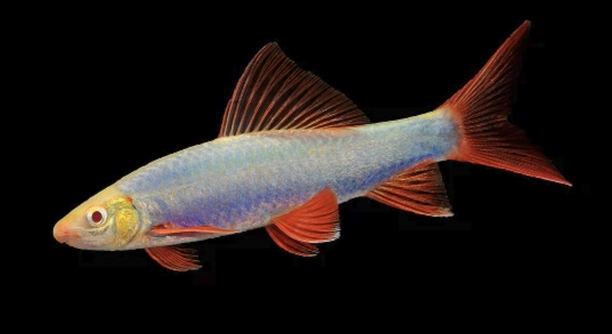
Many aquarium owners enjoy having rainbow sharks for their vibrant colors and lively behavior. However, these fish sometimes hide excessively, which can worry their caretakers. Understanding why this happens is important for maintaining a healthy tank environment.
Rainbow sharks tend to hide more when stressed, overcrowded, or if water conditions are poor. Ensuring proper tank size, good water quality, and providing adequate hiding spots can reduce their tendency to stay hidden and encourage more active behavior.
Recognizing these key factors will help you create a better home for your rainbow shark and enjoy watching its natural activity more often.
Stress and Its Effects on Rainbow Sharks
Rainbow sharks can become stressed for various reasons, which often leads them to hide more than usual. Stress factors include sudden changes in water temperature, aggressive tank mates, or loud noises near the aquarium. When stressed, rainbow sharks feel unsafe and seek shelter to avoid perceived threats. This hiding behavior is their natural way of coping with discomfort. It’s important to maintain a stable environment for your fish. Avoid rapid changes in the tank and keep noise levels low around the aquarium. If your tank includes aggressive fish, consider separating them or providing enough space to reduce tension. Regularly monitoring your rainbow shark’s behavior can help you spot early signs of stress. Recognizing these signs early allows you to make changes before the problem worsens. Keeping the tank clean and stable will help your rainbow shark feel secure and more willing to swim openly.
Stress in rainbow sharks usually causes a decrease in activity and increased hiding. Managing stress is key to healthier fish behavior.
Proper care and attention to your tank’s environment can reduce stress. A calm, stable setting encourages your rainbow shark to explore more and hide less, making your aquarium more enjoyable.
Water Quality and Its Impact
Water quality plays a critical role in the health and behavior of rainbow sharks. Poor water conditions, such as high ammonia, nitrite, or nitrate levels, can make fish uncomfortable and cause them to hide frequently. Regular water testing and partial water changes keep the environment safe. Temperature also matters; rainbow sharks prefer temperatures between 74°F and 80°F (23°C to 27°C). Sudden shifts outside this range can stress the fish. Filtration systems help maintain clean water by removing waste and toxins. Overfeeding should be avoided since leftover food decays and worsens water quality. Using a water conditioner removes harmful chlorine and chloramines from tap water. By consistently monitoring these factors, you help your rainbow shark stay healthy and more active. Clean, balanced water encourages natural behavior and reduces hiding.
Keeping the water clean and stable creates a safe space that promotes your rainbow shark’s well-being.
Water quality management is one of the easiest ways to improve your fish’s comfort. This leads to more visible, lively fish in your tank.
Tank Size and Space
A small or overcrowded tank makes rainbow sharks feel cramped and insecure, leading to more hiding. These fish need enough room to swim freely and establish their territory.
Providing at least a 30-gallon tank for one rainbow shark is ideal. Overcrowding causes stress and competition for space, which often drives them to seek refuge. If you keep multiple rainbow sharks or other active fish, increase the tank size accordingly. Decorations and hiding spots are important, but they should not reduce swimming space drastically. A spacious, well-organized tank lets your rainbow shark explore without feeling threatened or confined. This encourages natural behavior and reduces hiding time.
In a cramped tank, the fish have less freedom and more stress. Expanding tank size or reducing the number of fish improves their comfort and activity levels.
Hiding Places and Decorations
Rainbow sharks feel more secure when the tank includes appropriate hiding places like caves, plants, or driftwood. These spots allow the fish to retreat safely when needed.
Too few hiding spots can cause stress because the fish feel exposed. On the other hand, too many decorations may limit swimming space, causing frustration. A good balance means placing a few well-chosen shelters while keeping open swimming areas. Live or artificial plants work well, especially if arranged naturally to create shaded areas. Adding caves or PVC pipes gives your rainbow shark secure retreats without overcrowding the tank. Changing the layout occasionally can also keep the environment stimulating.
Proper hiding spots help your rainbow shark feel safe and reduce constant hiding in fear. Balanced decorations keep the tank both comfortable and spacious.
Lighting Conditions
Bright or harsh lighting can make rainbow sharks uncomfortable and cause them to hide more often. Soft, adjustable lighting helps them feel secure while showing their colors.
Using dimmable lights or floating plants to reduce direct light creates a calmer environment. This encourages your fish to swim more openly rather than hiding.
Tank Mates
Rainbow sharks can be territorial, especially with smaller or similar-looking fish. Aggressive or overly active tank mates may stress them, leading to excessive hiding.
Choosing peaceful, non-aggressive species that occupy different tank levels helps reduce conflict. Avoid overcrowding to keep the peace. Monitor interactions closely and separate fish if needed to maintain a calm tank atmosphere.
Feeding Habits
Consistent feeding routines with a balanced diet keep rainbow sharks healthy and less stressed. Feeding once or twice a day with high-quality pellets or flakes is sufficient. Avoid overfeeding as leftover food can harm water quality and increase hiding behavior.
Health Issues
If a rainbow shark hides excessively and shows signs of illness, such as faded color or lack of appetite, health problems may be the cause. Prompt attention and proper treatment are important to restore normal behavior.
FAQ
Why does my rainbow shark hide all the time?
Rainbow sharks hide frequently when they feel stressed, scared, or uncomfortable. Stress can come from poor water quality, improper tank size, aggressive tank mates, or sudden changes in the environment. When hiding is excessive, it often means the fish is trying to avoid something unpleasant. Checking water parameters, ensuring enough space, and providing calm surroundings can reduce hiding behavior.
How can I tell if my rainbow shark is stressed?
Signs of stress include constant hiding, loss of appetite, faded colors, and reduced activity. The fish may also swim erratically or stay at the bottom of the tank. Stress weakens the immune system, making the fish vulnerable to diseases. Watching for these behaviors helps identify problems early so changes can be made quickly.
What tank size is best for a rainbow shark?
A minimum of 30 gallons is recommended for one rainbow shark. They are active swimmers and need space to explore. If you plan to keep more than one or have other fish, increase tank size accordingly. Overcrowding causes stress and hiding.
Can rainbow sharks live with other fish?
Yes, but choosing peaceful tank mates is important. Avoid aggressive or similar-looking fish, as rainbow sharks can be territorial. Good companions include tetras, gouramis, or barbs that occupy different parts of the tank. Monitor fish interactions to prevent bullying.
How often should I feed my rainbow shark?
Feed your rainbow shark once or twice daily with high-quality pellets or flakes. Supplement occasionally with live or frozen foods like bloodworms or brine shrimp. Avoid overfeeding because uneaten food pollutes water and stresses the fish.
What water temperature is best for rainbow sharks?
They prefer temperatures between 74°F and 80°F (23°C to 27°C). Keeping the temperature stable is important because sudden changes cause stress. Use a reliable heater and thermometer to maintain consistent conditions.
Why does my rainbow shark hide after adding new decorations?
New decorations can cause stress if they change the tank’s layout too much or limit swimming space. Rainbow sharks need a balance of open areas and hiding spots. Rearranging decorations gradually helps the fish adjust.
How can I improve water quality for my rainbow shark?
Perform regular water changes, about 20-25% weekly, to keep toxins low. Use a good filter to remove waste and test water for ammonia, nitrites, and nitrates often. Avoid overfeeding to reduce leftover food waste.
Is it normal for rainbow sharks to hide during the day?
Rainbow sharks are more active during the evening or night, so some daytime hiding is normal. However, constant hiding or staying hidden for long periods suggests stress or other problems that need addressing.
What should I do if my rainbow shark is sick?
Look for symptoms like faded color, clamped fins, or lack of appetite. Quarantine the fish if possible and consult with a vet or fish expert for proper treatment. Maintaining good water quality and reducing stress supports recovery.
How do I create good hiding spots?
Use caves, PVC pipes, or dense plants to give your rainbow shark safe retreats. Avoid overcrowding the tank with decorations. Hiding spots help fish feel secure but should not block swimming space.
Can poor lighting cause hiding?
Yes, bright or harsh lighting can stress rainbow sharks. Using soft or adjustable lighting creates a calmer environment that encourages swimming rather than hiding.
Why does my rainbow shark sometimes chase other fish?
Rainbow sharks are territorial and may chase smaller or similar fish to defend space. Providing enough room and hiding spots reduces aggressive behavior.
How long do rainbow sharks usually hide after being introduced to a new tank?
It’s normal for them to hide for several days or up to a week as they adjust to new surroundings. Keeping the environment stable and quiet during this time helps them settle faster.
What foods do rainbow sharks like best?
They eat flakes, pellets, and enjoy live or frozen foods like bloodworms, brine shrimp, and daphnia. A varied diet keeps them healthy and active.
Can water hardness affect hiding behavior?
Yes, water that is too hard or too soft can cause discomfort and stress. Aim for moderate hardness levels suitable for tropical freshwater fish.
These answers cover common concerns about rainbow sharks hiding. Paying attention to tank conditions and fish behavior helps ensure your rainbow shark stays healthy and comfortable.
Taking care of a rainbow shark requires attention to several important factors that affect its behavior, especially when it comes to hiding. These fish naturally seek shelter when they feel stressed or unsafe, but too much hiding often signals that something in the tank environment needs improvement. By making sure the water quality is good, the tank is large enough, and the lighting is comfortable, you can help your rainbow shark feel more secure. Providing enough hiding spots balanced with open swimming areas also plays a big role in encouraging your fish to explore and stay active.
Keeping stress low is one of the best ways to reduce hiding behavior. This means avoiding sudden changes to the tank setup or water conditions, choosing peaceful tank mates, and feeding your rainbow shark properly with a balanced diet. Overcrowding and aggressive fish can make your rainbow shark feel threatened, so giving each fish enough space and selecting compatible companions is important. Regular monitoring of your fish’s health and behavior will help you catch problems early, whether it’s illness or stress-related. When you respond quickly to these signs, your rainbow shark can return to normal activity and show off its bright colors.
Creating a comfortable and stable environment takes some effort, but it is worth it to see your rainbow shark swimming confidently instead of hiding away. Simple steps like regular water changes, using a heater and filter, and arranging the tank thoughtfully will support your fish’s well-being. Remember, each rainbow shark may behave differently, so patience and observation help you learn what works best for yours. With the right care, your rainbow shark can thrive and become a lively, beautiful addition to your aquarium.

Hello,
If you enjoy the content that we create, please consider saying a "Thank You!" by leaving a tip.
Every little bit helps us continue crafting quality advice that supports the health, happiness, and well-being of pets around the world, for pets of all shapes, sizes, and species.
We really appreciate the kindness and support that you show us!