
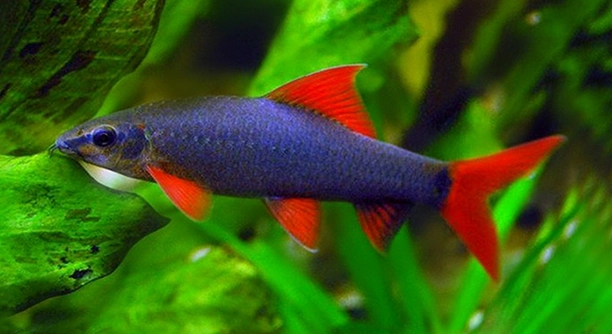
Are your rainbow shark tank conditions ideal for keeping your fish healthy and active? Maintaining the right environment can be challenging but is essential for these popular aquarium pets. Proper care ensures they thrive and display their vibrant colors.
Maintaining a healthy rainbow shark tank requires careful attention to water quality, temperature, diet, and tank size. Consistent monitoring and regular maintenance prevent stress and illness, supporting the fish’s well-being and longevity in captivity.
Knowing how to care for your rainbow shark will help you create a balanced and enjoyable tank environment. The following tips provide clear guidance to keep your aquatic friends happy and healthy.
Setting Up the Right Tank Environment
A proper tank environment is key to keeping rainbow sharks healthy. Start with a tank size of at least 55 gallons, as these fish need plenty of space to swim and establish territories. They prefer tanks with plenty of hiding spots, such as plants, rocks, and decorations. The substrate should be soft, like sand or smooth gravel, to protect their sensitive barbels. Water temperature needs to stay between 74 and 80 degrees Fahrenheit. The pH level should be neutral to slightly acidic, ideally between 6.5 and 7.5. Proper filtration is essential to maintain clean water and remove harmful toxins. Regular water changes, about 20-30% weekly, help keep the environment stable. Lighting should be moderate to mimic their natural habitat, and strong currents should be avoided since rainbow sharks prefer calmer waters.
Maintaining stable water parameters is critical to reduce stress and prevent disease in rainbow sharks.
Tank setup greatly influences the behavior and health of rainbow sharks. They can be territorial, so providing enough space and hiding spots reduces aggression. It’s important to cycle the tank before adding fish, ensuring beneficial bacteria establish to process waste. Avoid overcrowding to maintain water quality and reduce stress. Using a reliable filtration system tailored to the tank size helps maintain oxygen levels and clarity. Testing water regularly for ammonia, nitrites, and nitrates is necessary to keep conditions safe. This careful attention to the tank environment creates a healthier home, making your rainbow shark more active and colorful over time.
Feeding Your Rainbow Shark
Rainbow sharks thrive on a varied diet that mimics their natural food sources. Feed them high-quality sinking pellets as the main staple, supplemented with live or frozen foods like bloodworms, brine shrimp, and daphnia. Vegetables such as blanched zucchini or peas can be added to their diet a few times a week. Avoid overfeeding by offering only what they can consume in two to three minutes, once or twice daily. Uneaten food should be removed promptly to prevent water pollution.
A balanced diet supports growth, coloration, and overall health in rainbow sharks.
Feeding rainbow sharks correctly takes some attention but pays off in their well-being. They are omnivores, needing both protein and plant matter. Sinking pellets ensure they get food near the bottom, where they naturally forage. Treats like live or frozen foods offer essential nutrients and encourage natural hunting behavior. Fresh vegetables provide fiber and vitamins important for digestion. Monitoring feeding amounts helps avoid obesity and keeps water quality stable. By keeping their diet varied and balanced, rainbow sharks maintain vibrant colors and strong immune systems, making them a joy to keep in your aquarium.
Monitoring Water Quality
Regular water testing is essential for a healthy tank. Use test kits to check ammonia, nitrites, nitrates, and pH levels weekly. Maintaining stable conditions prevents stress and disease.
Keeping water clean and balanced protects your rainbow shark from common health issues. Ammonia and nitrites should always be at zero, while nitrates should stay below 20 ppm. Fluctuations in pH can harm your fish, so it’s important to keep it stable. Frequent partial water changes help maintain these parameters. Using a good filtration system supports beneficial bacteria that break down waste. Consistency in water quality prevents sudden shocks that can weaken your fish’s immune system.
It’s also helpful to remove uneaten food and debris regularly, as buildup can quickly degrade water quality. Observing your rainbow shark’s behavior can signal water problems—lethargy or gasping at the surface often means poor water conditions. Taking these steps ensures your tank remains a safe and comfortable home.
Managing Tank Mates
Rainbow sharks can be territorial, especially in smaller tanks. Choose peaceful, fast-swimming fish that occupy different tank levels. Avoid aggressive or slow-moving species.
Compatible tank mates reduce conflicts and stress for your rainbow shark. Fish like danios, barbs, and larger tetras work well since they swim in different areas and can hold their own. Avoid other bottom dwellers that may compete for space or food. Introducing fish slowly helps establish territories without fights. Overcrowding increases aggression, so keep stocking levels moderate. A well-planned community tank encourages natural behavior and improves overall health for all fish involved.
Regular Tank Maintenance
Cleaning your tank regularly keeps your rainbow shark healthy. Remove algae, vacuum the substrate, and change 20-30% of the water weekly to maintain a clean environment.
Regular maintenance prevents waste buildup that can harm your fish. It also keeps water parameters stable and reduces the chance of disease.
Recognizing Signs of Stress
Watch for changes in behavior, such as hiding, loss of appetite, or dull colors. These often indicate stress or poor tank conditions.
Stress can weaken the immune system, making rainbow sharks vulnerable to illness. Early detection allows for prompt care and adjustment of tank conditions.
Providing Proper Lighting
Use moderate lighting to simulate natural conditions. Avoid overly bright lights that may stress the fish or encourage excessive algae growth.
Lighting helps maintain the fish’s natural day-night cycle and enhances its vibrant colors without causing discomfort.
FAQ
How often should I feed my rainbow shark?
Feeding your rainbow shark once or twice a day is ideal. Offer only what they can eat within two to three minutes to avoid leftover food polluting the tank. Overfeeding can lead to poor water quality and health problems.
Can rainbow sharks live with other fish?
Yes, but tank mates must be chosen carefully. Rainbow sharks can be territorial, especially in smaller tanks. Peaceful, fast swimmers like danios or barbs are good companions. Avoid slow or aggressive species and other bottom dwellers that might compete for space.
What is the best tank size for rainbow sharks?
A minimum tank size of 55 gallons is recommended. This gives your fish enough space to swim freely and establish territories without feeling crowded, which reduces stress and aggression.
What water conditions do rainbow sharks prefer?
Rainbow sharks thrive in water temperatures between 74 and 80 degrees Fahrenheit with a pH of 6.5 to 7.5. Stable water parameters with zero ammonia and nitrites and low nitrates (below 20 ppm) are essential.
How often should I change the water?
Changing 20-30% of the tank water weekly helps keep the environment stable and healthy. Regular partial changes remove toxins and replenish minerals needed by your fish.
What should I do if my rainbow shark shows signs of stress?
Signs include hiding, loss of appetite, or dull colors. First, check water quality and tank conditions. Ensure the tank isn’t overcrowded and that your fish have enough hiding spaces. Correcting these factors usually reduces stress.
Do rainbow sharks need live plants in their tank?
Live plants are beneficial as they provide hiding spots and help improve water quality by absorbing nitrates. Choose hardy plants that can tolerate the fish’s activity, such as Java fern or Anubias.
Can rainbow sharks jump out of the tank?
Yes, they can. Always keep a tight-fitting lid on your aquarium to prevent jumping, especially if the tank is shallow or crowded.
How long do rainbow sharks live?
With proper care, rainbow sharks can live between 5 to 8 years. Good water quality, proper diet, and stress reduction contribute to a longer lifespan.
What do rainbow sharks eat in the wild?
They are omnivores, eating small insects, crustaceans, algae, and plant matter. Providing a balanced diet with sinking pellets, live or frozen foods, and vegetables helps mimic their natural feeding habits.
Why is my rainbow shark hiding all the time?
Excessive hiding can be a sign of stress, illness, or unsuitable tank conditions. Check water parameters, ensure the tank is large enough, and verify compatible tank mates. Providing adequate hiding spots helps them feel secure.
How can I tell if my rainbow shark is healthy?
A healthy rainbow shark is active, has vibrant colors, eats well, and interacts with the environment. Watch for clear eyes, intact fins, and normal swimming behavior.
Is it okay to keep more than one rainbow shark?
Keeping multiple rainbow sharks requires a very large tank to reduce territorial disputes. In smaller tanks, they tend to fight. If you want a group, ensure the tank is spacious and has plenty of hiding places.
What kind of substrate is best for rainbow sharks?
Soft sand or smooth gravel is preferred to protect their sensitive barbels. Rough or sharp substrates can cause injury and stress.
How do I prevent algae buildup?
Regular cleaning, controlling lighting duration, and maintaining good water quality are key. Adding algae-eating tank mates like snails or certain shrimp can also help manage algae growth naturally.
Can rainbow sharks tolerate cold water?
No, they prefer warm water around 74-80°F. Temperatures below this range can cause stress and make them prone to illness. Use a reliable heater to maintain a stable temperature.
Final Thoughts
Caring for a rainbow shark can be very rewarding when you provide the right environment and attention. These fish are active and colorful, making them a popular choice for many aquariums. However, their health depends heavily on maintaining stable water conditions, a proper diet, and a well-sized tank. Paying attention to their needs helps prevent common problems like stress and disease. It’s important to remember that rainbow sharks need space to swim and places to hide, which supports their natural behavior and reduces aggression.
Keeping the water clean and balanced is one of the most important tasks. Regular water testing and changes are necessary to keep harmful substances like ammonia and nitrites at safe levels. A good filtration system supports this by breaking down waste and maintaining oxygen levels. Overfeeding can quickly pollute the water, so it’s important to feed the right amount. Watching your fish’s behavior will help you notice if anything is wrong early on, allowing you to take quick action before problems worsen. Maintaining stable conditions over time leads to a healthier and longer life for your rainbow shark.
Choosing the right tank mates and providing proper lighting and decorations also plays a big role in your fish’s well-being. Rainbow sharks can be territorial, so giving them enough space and compatible companions reduces stress. Moderate lighting helps keep them comfortable and enhances their colors. Adding live plants can improve water quality and provide natural hiding spots. By combining these care tips, you create an environment where your rainbow shark can thrive and show its best colors. Taking these steps makes the experience of keeping these fish both enjoyable and successful.

Hello,
If you enjoy the content that we create, please consider saying a "Thank You!" by leaving a tip.
Every little bit helps us continue crafting quality advice that supports the health, happiness, and well-being of pets around the world, for pets of all shapes, sizes, and species.
We really appreciate the kindness and support that you show us!