
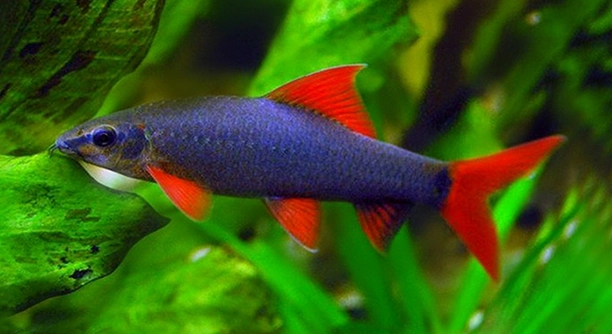
Rainbow sharks are popular freshwater fish known for their vibrant colors and active nature. Many aquarium owners enjoy their beauty but sometimes find them showing aggressive behavior. Understanding how to handle this aggression can improve your fishkeeping experience.
Aggressive behavior in rainbow sharks often results from territorial instincts, overcrowding, or lack of hiding spaces. Providing adequate tank size, appropriate companions, and environmental enrichment reduces aggression and promotes peaceful coexistence within the aquarium.
Managing aggressive rainbow sharks requires attention to their environment and behavior to create a balanced and calm tank atmosphere. These tips will help you maintain harmony among your aquatic pets.
Creating Enough Space for Your Rainbow Sharks
Rainbow sharks need plenty of room to swim and claim their territory. A crowded tank can increase stress and lead to fights. Ideally, each fish should have at least 30 gallons of water to roam freely. Adding plants, rocks, and decorations helps break up open areas and provides hiding spots. This reduces direct confrontations. When setting up your tank, make sure the layout encourages exploration but also allows each fish to find a private area. Keep the water clean and at the right temperature to keep the fish comfortable. Regular water changes and monitoring water quality are important. When the environment is balanced, rainbow sharks are less likely to be aggressive, creating a peaceful aquarium for everyone.
Giving rainbow sharks enough room and hiding places helps lower their aggression and supports healthy behavior.
A well-planned tank not only keeps your rainbow sharks calm but also makes it easier for you to maintain a healthy habitat. Overcrowding leads to stress, which causes many aggressive behaviors. By giving each fish ample space, you reduce competition. Adding decorations like driftwood or caves creates visual barriers. This helps each shark feel secure and less likely to challenge others. It’s also important to avoid placing too many fish in one tank. Choosing tank mates carefully is crucial, as some fish tolerate aggression better than others. Watching your fish’s behavior regularly allows you to adjust the setup as needed. This hands-on care leads to a happier and healthier aquarium environment.
Choosing Compatible Tank Mates
Selecting the right tank mates is essential for managing aggression in rainbow sharks. Avoid placing them with slow-moving or long-finned fish, as sharks may nip at them. Opt for fish that are fast and can handle themselves in the same space.
Proper tank mates help reduce conflicts and keep the peace in the aquarium.
Tank mates should be chosen based on their temperament and size to avoid triggering aggression. Rainbow sharks are territorial and may become aggressive toward fish that invade their space. Fast swimmers like barbs or danios tend to do better because they can avoid conflicts. Avoid fish that are very passive or that resemble rainbow sharks, which could increase territorial disputes. When introducing new fish, watch for signs of bullying or stress. Sometimes separating fish or rearranging the tank helps improve harmony. Keeping a balanced community tank requires ongoing attention, but with the right choices, you can enjoy a lively yet peaceful aquarium.
Feeding Schedule and Diet
Feeding rainbow sharks properly can help reduce aggression. Avoid overfeeding and stick to a regular schedule. Offer a balanced diet with quality flakes, pellets, and occasional live or frozen foods.
Maintaining a consistent feeding routine helps prevent competition among fish. When food is scarce or unpredictable, rainbow sharks may become aggressive, fighting for resources. Feeding small amounts multiple times a day keeps them satisfied. Including a variety of foods ensures they get necessary nutrients and reduces hunger-driven fights. Vegetables like blanched spinach or zucchini can be added to their diet for extra fiber. A well-fed rainbow shark is calmer and less likely to attack tank mates.
Proper nutrition combined with routine feeding times encourages healthy behavior. Watching your fish during feeding also helps you spot any aggressive actions early. If fighting occurs, try spreading food around the tank or feeding in multiple spots. This reduces competition and creates a more peaceful feeding time for all your fish.
Monitoring and Adjusting Tank Conditions
Water quality greatly impacts rainbow shark behavior. Poor conditions cause stress, leading to more aggression. Regularly check water parameters like pH, ammonia, nitrite, and nitrate levels.
Stable water conditions support calm fish. Fluctuations in temperature or chemicals can make rainbow sharks restless and hostile. Maintaining a temperature between 74–80°F (23–27°C) helps keep them comfortable. Frequent water changes and good filtration improve overall tank health. Keep an eye on fish behavior for signs of stress such as hiding, rapid breathing, or chasing. Adjust lighting and decorations if needed to create a more natural environment. Small changes often lead to big improvements in fish mood and reduce aggressive tendencies over time.
Providing Hiding Spots
Hiding spots are essential for rainbow sharks to feel safe. Use caves, plants, and decorations to create plenty of secluded areas. This helps reduce stress and aggressive behavior.
When fish have places to retreat, they are less likely to fight. Hiding spots break up territories and allow shy fish to escape bullying.
Watching for Early Signs of Aggression
Observing your rainbow sharks regularly helps catch early signs of aggression. Look for chasing, fin nipping, or frequent chasing around the tank. Early detection allows timely intervention before fights escalate.
Separating Aggressive Fish
If aggression continues despite changes, consider separating the most aggressive fish. Use a divider or move the aggressive fish to another tank. This protects other fish and prevents injury.
Keeping a Clean Tank
A clean tank supports healthy fish behavior. Remove waste and uneaten food daily to reduce toxins. Clean water reduces stress and limits aggressive tendencies in rainbow sharks.
FAQ
Why are my rainbow sharks so aggressive?
Rainbow sharks are naturally territorial fish. They often show aggression to defend their space, especially in small or crowded tanks. Lack of hiding spots and competition for food can also increase their aggressive behavior. Stress from poor water quality or incompatible tank mates can make it worse.
How can I stop my rainbow shark from attacking other fish?
To reduce aggression, provide a large tank with plenty of hiding places. Feed them regularly with a balanced diet and choose compatible, fast-swimming tank mates. Keep the water clean and stable, and watch for early signs of aggression to act quickly. Sometimes, separating aggressive individuals is necessary.
What tank size is best for rainbow sharks?
A minimum of 30 gallons per rainbow shark is recommended. Larger tanks allow them to establish territories without constant conflict. Overcrowding leads to stress and increased aggression, so bigger is always better.
Can rainbow sharks live with other fish?
Yes, but choose tank mates carefully. Fast, active fish like barbs or danios usually get along well. Avoid slow or long-finned fish that might become targets. Make sure tank mates are not too similar in appearance to avoid territorial fights.
How often should I feed my rainbow shark?
Feed small amounts two to three times a day. Overfeeding can cause water quality issues and aggressive competition. A varied diet with pellets, flakes, and occasional vegetables or live foods helps keep them healthy.
What signs show my rainbow shark is stressed?
Signs include hiding too much, rapid breathing, loss of color, or constant chasing other fish. Stress often comes from poor water quality, overcrowding, or lack of hiding spots. Addressing these issues usually calms the fish.
Is it normal for rainbow sharks to chase each other?
Some chasing is normal as they establish territories. However, constant or violent chasing can cause injury. Provide enough space and hiding places to minimize this behavior.
How do I create hiding spots in the tank?
Use plants, rocks, caves, and driftwood to create secluded areas. Arrange decorations so each fish can find a private space. This lowers aggression by breaking up open swimming areas.
What water conditions do rainbow sharks need?
They prefer water between 74–80°F (23–27°C), with a pH of 6.5 to 7.5. Keep ammonia and nitrite levels at zero and nitrates low through regular water changes. Stable, clean water reduces stress and aggression.
Can rearranging the tank reduce aggression?
Yes. Changing the layout can disrupt established territories, making fish less territorial temporarily. This often reduces aggression but should be done carefully to avoid stressing the fish too much.
What do I do if aggression gets worse?
If aggression worsens, try separating the aggressive fish with a tank divider or move it to a different tank. This prevents injury and allows other fish to settle down. Also, review tank size, water quality, and tank mates.
Are rainbow sharks aggressive all the time?
No. They tend to be more aggressive during feeding or breeding times. When their environment is suitable and stable, aggression usually decreases.
How do I keep peace during feeding time?
Feed in multiple spots around the tank to reduce competition. Spread food evenly so all fish get a share. This helps prevent chasing and fighting over food.
Can poor water quality increase aggression?
Yes. Toxic buildup stresses fish and makes them more prone to aggressive behavior. Regular cleaning, water changes, and good filtration are key to maintaining peace.
Is it okay to keep more than one rainbow shark?
It’s possible but needs a very large tank with lots of hiding spots. Multiple rainbow sharks often fight if space is limited, so be cautious about keeping more than one.
Final Thoughts
Taking care of aggressive rainbow sharks can feel challenging, but it is definitely manageable with the right approach. These fish have natural territorial instincts, so understanding their behavior is key to creating a peaceful aquarium. Giving them enough space, hiding spots, and compatible tank mates can make a big difference. When their environment meets their needs, rainbow sharks are less likely to show aggressive behavior. Paying attention to their diet and water quality also plays an important role in keeping them calm and healthy.
It is important to be patient when managing aggression in rainbow sharks. Changes to the tank setup or feeding routine may take some time to show results. Regular observation is helpful to notice any signs of stress or conflict early. If aggression becomes a serious problem, separating the most aggressive fish can protect the others and maintain balance. Keeping the tank clean and stable supports the overall health of all fish, making the aquarium a better place for everyone. These small but consistent efforts often lead to a calmer and more enjoyable fishkeeping experience.
Rainbow sharks can be a wonderful addition to a freshwater tank when cared for properly. By providing a suitable habitat and closely monitoring their behavior, you can reduce aggression and encourage peaceful interactions. Remember that every tank and fish is unique, so some adjustments might be needed to find what works best. Staying informed and responsive to your fish’s needs helps ensure they live happily in your care. With attention and care, you can enjoy the beauty and activity of rainbow sharks without the stress of constant aggression.

Hello,
If you enjoy the content that we create, please consider saying a "Thank You!" by leaving a tip.
Every little bit helps us continue crafting quality advice that supports the health, happiness, and well-being of pets around the world, for pets of all shapes, sizes, and species.
We really appreciate the kindness and support that you show us!