
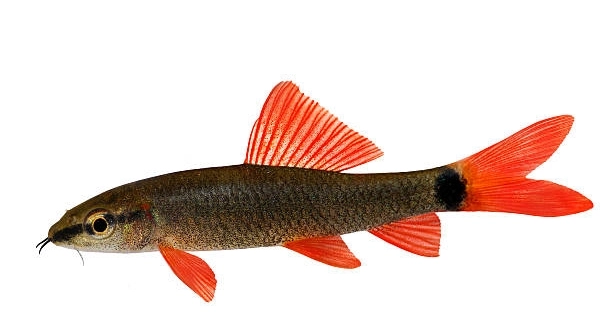
Rainbow Sharks are popular aquarium fish known for their striking colors and active behavior. However, they can sometimes display territorial disputes, which can disrupt the peace in your tank. Managing these conflicts is important for maintaining a healthy environment.
Handling Rainbow Shark territorial disputes requires clear tank boundaries, adequate hiding spaces, and careful stocking levels. Providing multiple territories reduces aggression, while maintaining proper water conditions supports fish health. Monitoring interactions and timely intervention help prevent serious harm.
Understanding how to create a balanced environment will help you keep your Rainbow Sharks calm and thriving. The following tips provide practical steps to manage their territorial nature effectively.
Establish Clear Territories
Rainbow Sharks are naturally territorial, especially in confined spaces. To reduce conflict, it’s essential to define distinct areas within the tank. Use decorations like rocks, plants, and driftwood to create visual barriers. These elements break the line of sight, helping each fish feel secure in its own space. Additionally, hiding spots provide refuge for less dominant sharks, reducing stress and aggressive encounters. Make sure the tank is large enough to accommodate multiple territories comfortably. Overcrowding increases competition and tension. Position decorations strategically so each fish can claim its own area without constant challenges. Keep an eye on aggressive behavior, and rearrange the layout if disputes persist. Adjusting the environment this way helps Rainbow Sharks coexist peacefully, promoting a stable and healthy aquarium atmosphere.
Proper tank size and decor contribute significantly to managing aggression among Rainbow Sharks. Visual barriers and hiding places are key to establishing peaceful zones.
Separating territories lowers conflict by giving each Rainbow Shark space to claim and defend. Well-placed decor and ample room help create a balanced environment that discourages fights and supports natural behavior. This setup benefits all tank inhabitants, making it easier to maintain harmony and reduce stress-related health issues in your fish.
Monitor and Manage Stocking Levels
Keeping the right number of Rainbow Sharks and other fish species is vital. Overcrowding increases competition for space, causing more frequent disputes. Maintain a stocking level that fits your tank size, and avoid mixing too many territorial fish together. If aggression becomes a problem, consider reducing the number of Rainbow Sharks or adding peaceful species that can tolerate their behavior. Introducing fish slowly and observing interactions helps prevent sudden conflicts. Regularly check water quality since overcrowding can affect filtration and increase stress levels. Balanced stocking supports stable social dynamics and healthier fish overall. A well-planned tank setup reduces the chances of severe territorial battles and promotes a calmer environment for all aquatic life.
Proper stocking balances social interaction and reduces aggressive competition.
Adjusting your fish population according to tank size and behavior ensures Rainbow Sharks have enough space to coexist without constant fights. Keeping peace depends on understanding the needs and temperaments of each species. By managing numbers and monitoring interactions, you create a safer and more enjoyable aquarium where Rainbow Sharks and other fish thrive together.
Maintain Water Quality
Clean water reduces stress and aggression in Rainbow Sharks. Regular water changes and filtration keep the environment healthy. High ammonia or nitrate levels can make fish irritable and more prone to disputes.
Consistent water maintenance is critical for controlling territorial behavior. Testing water parameters weekly helps detect issues early. Use a reliable filter suited for your tank size, and perform partial water changes of 20-30% every week or two. Keeping stable pH and temperature within recommended ranges supports fish health and limits stress-related aggression. A balanced aquatic environment allows Rainbow Sharks to feel secure and less likely to compete violently for resources.
Water quality also affects the immune system. Poor conditions can lead to illness, weakening fish and making them more vulnerable during conflicts. By prioritizing cleanliness, you encourage a peaceful tank dynamic where Rainbow Sharks can coexist without unnecessary stress or fights.
Use Feeding Strategies to Reduce Conflict
Feed Rainbow Sharks at different locations to prevent competition. Spreading food out reduces the chance of fights during feeding times.
Feeding multiple times a day in small amounts helps keep aggression low. If one fish dominates, others may become stressed or malnourished, leading to more disputes. Using sinking pellets or wafers ensures food reaches bottom-dwelling Rainbow Sharks without attracting aggressive surface feeders. Observing feeding behavior allows you to adjust portions and timing to suit your tank’s needs. When all fish get enough food, territorial disputes over resources decrease significantly.
Offering varied food like vegetables and protein sources keeps Rainbow Sharks healthy and less irritable. A proper diet combined with careful feeding habits minimizes competition, making mealtimes peaceful rather than a trigger for aggression. This approach promotes well-being and reduces stress-related conflicts in your aquarium.
Observe Behavior Closely
Watching Rainbow Sharks regularly helps catch early signs of aggression. Spotting conflicts early allows for timely action to prevent injury or stress.
Noticing changes in swimming patterns or color can indicate stress or dominance issues. Early intervention helps maintain harmony and reduces serious disputes.
Rearrange Tank Decorations
Changing the tank layout disrupts established territories and reduces aggression. Rearranging rocks and plants forces fish to adjust, often lowering fights. This simple step refreshes the environment and gives all Rainbow Sharks new boundaries to explore, calming territorial tensions.
Provide Adequate Hiding Places
Hiding spots help Rainbow Sharks escape aggressive encounters. Caves, plants, and crevices offer refuge and reduce stress. This makes the tank feel safer and lowers the frequency of territorial battles.
FAQ
Why do Rainbow Sharks fight?
Rainbow Sharks are naturally territorial, especially in confined spaces. Their instinct is to defend a specific area against other fish, which can lead to fights. Limited space, lack of hiding spots, or overcrowding increases their aggression. Establishing clear territories and providing enough room helps reduce these conflicts.
How can I tell if a Rainbow Shark is stressed from territorial disputes?
Signs of stress include faded colors, hiding more often, erratic swimming, or damaged fins. Stressed fish may also lose appetite or become less active. Observing these behaviors early can help you adjust the tank environment to reduce conflict and improve their well-being.
Is it necessary to separate aggressive Rainbow Sharks?
If aggression is severe and causes injury, separating the fish is advisable. Temporary isolation allows wounds to heal and prevents further stress. However, separation should be a last resort after trying environmental changes like adding hiding spots or rearranging decor.
Can adding more fish reduce territorial aggression?
Adding more fish can sometimes help by spreading aggression across multiple individuals, but it can also increase competition for space and resources. It’s important to keep tank size and fish temperament in mind when deciding to add more inhabitants.
What tank size is ideal to minimize Rainbow Shark disputes?
A minimum of 30 gallons is recommended for one Rainbow Shark, with larger tanks needed for multiple fish. Bigger tanks provide more space to establish territories and reduce encounters that trigger fights.
Do Rainbow Sharks get along with other species?
Rainbow Sharks can coexist with peaceful, similarly sized fish that occupy different parts of the tank. Avoid small or slow-moving fish, as they might become targets. Choosing compatible tank mates helps reduce stress and territorial behavior.
How often should I clean the tank to reduce aggression?
Regular maintenance is key. Partial water changes of 20-30% every one to two weeks keep water parameters stable, reducing stress. Clean tanks support healthy fish and minimize behaviors caused by poor water quality.
What role does feeding play in managing aggression?
Feeding at multiple spots and providing enough food prevents competition and fights. A varied diet also keeps Rainbow Sharks healthy and less irritable. Observing feeding habits helps ensure all fish receive enough nutrition without triggering disputes.
Are there signs that a Rainbow Shark is winning a territorial battle?
A dominant fish usually displays brighter colors, more confident swimming, and controls access to hiding spots or food. Submissive fish may avoid the dominant shark’s territory, staying hidden or retreating to less contested areas.
Can rearranging tank decorations really help with aggression?
Yes. Changing the layout disrupts established territories and forces fish to adjust. This reduces constant challenges and gives each fish a chance to claim new space, lowering stress and aggression levels.
Managing territorial disputes among Rainbow Sharks requires attention and care. These fish have natural instincts to defend their space, which can lead to conflicts if their environment is not suited to their needs. Ensuring the tank is properly sized, providing clear territories, and adding plenty of hiding spots are important steps. By creating an environment where each Rainbow Shark feels secure, aggression is less likely to escalate. Maintaining clean water and feeding the fish correctly also play crucial roles in keeping them healthy and calm.
Observing your Rainbow Sharks regularly helps you notice early signs of stress or aggression. When you catch these signs early, it is easier to make changes before problems become serious. Adjusting tank decorations, monitoring stocking levels, and managing feeding habits can all improve the tank’s social balance. Sometimes, more direct actions like separating aggressive fish or rearranging the tank may be necessary. These steps help reduce fights and improve the overall atmosphere of the aquarium.
Taking time to understand your Rainbow Sharks’ behavior will lead to a more peaceful tank. Every aquarium is unique, so be prepared to try different strategies to find what works best. Patience and careful observation will help you maintain a healthy environment where your Rainbow Sharks can live comfortably alongside each other. Proper care and management not only reduce territorial disputes but also contribute to the long-term well-being of your fish.

Hello,
If you enjoy the content that we create, please consider saying a "Thank You!" by leaving a tip.
Every little bit helps us continue crafting quality advice that supports the health, happiness, and well-being of pets around the world, for pets of all shapes, sizes, and species.
We really appreciate the kindness and support that you show us!