
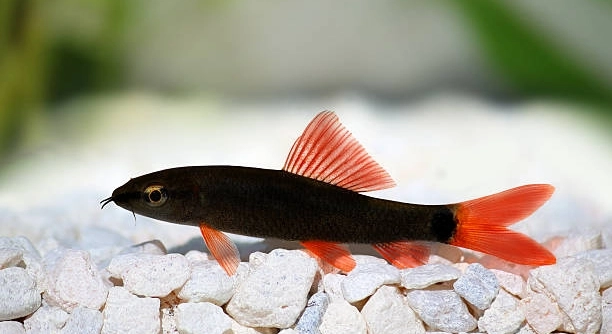
Are your rainbow sharks spending too much time hiding in the tank? It can be frustrating when these colorful fish avoid swimming out in the open. Understanding why they hide is important for their care and well-being.
Rainbow sharks often hide due to stress caused by poor water quality, lack of hiding spots, aggressive tank mates, insufficient food, or sudden changes in their environment. Addressing these issues can encourage them to swim more openly.
Learning the reasons behind this behavior will help improve your fish’s comfort and health. The following fixes offer practical ways to encourage your rainbow shark to be more active.
Check Water Quality and Parameters
Water quality is one of the most important factors affecting your rainbow shark’s behavior. Poor water conditions can cause stress, making the fish hide more often. Make sure to test the water regularly for ammonia, nitrites, nitrates, and pH levels. The ideal pH range for rainbow sharks is between 6.5 and 7.5. Ammonia and nitrite levels should always be zero, while nitrate levels should stay below 20 ppm. Regular water changes, about 20-30% weekly, help maintain a healthy environment. Keep the water temperature between 75°F and 79°F (24°C to 26°C). Additionally, avoid overcrowding the tank since it can quickly deteriorate water quality. Clean the tank and filter regularly to remove debris and waste. Clear, clean water will encourage your rainbow shark to swim freely and reduce hiding behaviors. Consistency in maintaining good water quality is essential for their comfort and health.
Maintaining proper water parameters creates a safe and stable environment for your fish to thrive. Stress from poor water quality directly influences hiding.
Consistent monitoring and regular maintenance will improve water conditions. Using a reliable test kit and setting up a cleaning schedule make this task manageable. Avoid sudden water changes that can shock the fish. Stabilize temperature and chemical levels gradually. With a stable habitat, your rainbow shark will feel more secure and less inclined to hide. Clear water and proper filtration support healthy fish behavior. Regular attention to these details ensures your rainbow shark’s activity increases, helping it stay visible and healthy in the tank.
Provide Adequate Hiding Spots
Rainbow sharks need places to retreat when they feel threatened or stressed. Including enough hiding spots in the aquarium can help reduce their anxiety. Use decorations such as caves, plants, rocks, and driftwood to create natural shelters. These hiding spots should be easily accessible but not overcrowded. It is important to arrange the tank so your fish feels secure without being trapped. Well-placed shelters allow the rainbow shark to rest and feel safe while still having space to explore. Avoid sharp or rough objects that might injure the fish.
A tank with proper hiding areas can reduce stress and promote natural behavior.
Providing multiple shelter options meets the rainbow shark’s need for security. Plants can be live or artificial, but they must be safe for aquarium use. Driftwood adds natural cover and can help create shaded zones. Spaces between rocks or decorations let the fish hide but also retreat quickly if necessary. Avoid overcrowding the tank with too many decorations, which can limit swimming space. Balancing open areas with secure shelters creates a comfortable environment. This setup encourages your rainbow shark to come out more often and display normal swimming patterns. Proper hiding spots support both the fish’s mental and physical health, reducing excessive hiding and improving overall activity.
Avoid Aggressive Tank Mates
Aggressive fish can cause your rainbow shark to hide constantly. Keep your tank free of overly territorial or aggressive species. Choose peaceful or similarly sized fish to create a balanced environment. This reduces stress and encourages your rainbow shark to swim openly.
Aggressive tank mates often intimidate rainbow sharks, leading to hiding and stress. Species like cichlids or large barbs may chase or nip at them, causing fear. It is important to observe fish interactions and separate incompatible species promptly. Peaceful fish such as tetras, danios, or peaceful gouramis work better with rainbow sharks. This helps maintain a calm tank atmosphere where all fish can coexist.
When selecting fish, consider temperament, size, and swimming zones. Rainbow sharks prefer bottom and mid-level swimming areas. Avoid overcrowding these zones with aggressive fish that claim the space. Properly matching species helps reduce territorial disputes and allows the rainbow shark to feel more secure. Keeping the tank peaceful encourages natural behavior and less hiding.
Feed a Balanced Diet
Rainbow sharks need a varied diet to stay healthy and active. Provide high-quality pellets designed for bottom feeders, supplemented with vegetables and occasional protein treats. Feeding a balanced diet supports their energy levels and overall well-being.
A lack of proper nutrition can cause your rainbow shark to hide more often. Without enough food or the right nutrients, the fish may lose energy and feel unsafe exploring the tank. Feeding once or twice daily in small amounts helps prevent overfeeding and water pollution. Offer blanched vegetables like zucchini or spinach, and occasional protein sources such as bloodworms or brine shrimp.
Be consistent with feeding schedules and observe eating habits. Remove uneaten food promptly to maintain water quality. A well-fed rainbow shark is more likely to swim confidently and interact with its environment. Balanced nutrition supports growth, color vibrancy, and reduces stress, minimizing hiding behavior.
Maintain Stable Lighting
Too much or too little light can stress your rainbow shark, causing it to hide. Use a lighting schedule that mimics natural daylight, usually 8 to 10 hours per day. Avoid sudden changes in brightness.
Gradually adjust lighting if needed to prevent shocking the fish. Dimmer lights or shaded areas help the rainbow shark feel safe. Consistent lighting supports their natural activity patterns and reduces hiding.
Avoid Sudden Changes in the Tank
Sudden changes in water temperature, decorations, or tank mates can scare your rainbow shark. Keep any adjustments slow and gradual to help the fish adapt without stress.
Abrupt shifts disrupt the environment, causing the fish to retreat. Stability is key for your rainbow shark’s comfort and confidence in the tank.
Monitor for Illness or Injury
Hiding can indicate illness or injury in your rainbow shark. Watch for signs like faded color, clamped fins, or unusual behavior. Prompt treatment improves recovery chances.
If you notice symptoms, test water quality first and isolate the fish if needed. Consult a vet or aquarium expert for proper care advice.
FAQ
Why does my rainbow shark hide all the time?
Rainbow sharks often hide due to stress caused by poor water quality, aggressive tank mates, insufficient hiding spots, or illness. They may also feel threatened if the tank environment changes suddenly. Ensuring stable water parameters and a peaceful tank helps reduce hiding behavior.
How can I tell if my rainbow shark is sick?
Signs of illness include faded colors, clamped fins, lethargy, loss of appetite, or abnormal swimming. Hiding more than usual can also indicate health problems. Regularly check water quality and observe your fish for any unusual behavior or physical changes.
Can aggressive tank mates cause hiding?
Yes. Aggressive or territorial fish can intimidate rainbow sharks, making them retreat and hide frequently. Selecting compatible species and monitoring fish interactions will help maintain a peaceful tank environment.
How often should I clean the tank?
A weekly water change of 20-30% is recommended to keep the tank clean and maintain good water quality. Regularly clean filters and remove debris to prevent buildup of harmful substances that stress fish.
What is the ideal water temperature for rainbow sharks?
Rainbow sharks thrive in temperatures between 75°F and 79°F (24°C to 26°C). Maintaining a consistent temperature within this range supports their health and encourages natural behavior.
Are live plants necessary for rainbow sharks?
Live plants are not required but can provide natural hiding spots and improve water quality by absorbing nitrates. If using live plants, choose species that tolerate the fish’s activity and tank conditions.
How much should I feed my rainbow shark?
Feed small amounts once or twice daily, enough that they consume within a few minutes. Overfeeding pollutes the water and can cause health issues. Offer a balanced diet with pellets, vegetables, and occasional protein treats.
Will my rainbow shark stop hiding if I add more hiding spots?
Providing adequate shelters like caves, plants, and driftwood gives rainbow sharks safe places to retreat, reducing stress. However, balance is important—too many decorations can limit swimming space and cause other issues.
Can lighting affect hiding behavior?
Yes. Too bright or inconsistent lighting can stress rainbow sharks. A consistent lighting schedule mimicking natural day and night cycles helps them feel secure and active.
How long does it take for a rainbow shark to stop hiding?
This varies depending on the cause. With proper care—stable water, peaceful tank mates, hiding spots, and good nutrition—rainbow sharks may become more visible within days to weeks. Patience is important.
Final Thoughts
Rainbow sharks are beautiful and active fish when they feel comfortable in their environment. If your rainbow shark is hiding too much, it is usually a sign that something in the tank needs attention. Common reasons include poor water quality, lack of hiding places, aggressive tank mates, or changes in the tank setup. By addressing these factors carefully, you can help your fish feel safer and more willing to explore. It is important to maintain a clean, stable tank with the right water conditions and provide enough space and shelter for your rainbow shark to thrive.
Keeping the water clean and within the proper temperature and pH range is one of the most important steps. Regular water testing and partial water changes help keep harmful chemicals low and support your fish’s health. Aggressive fish can cause stress, so choosing peaceful tank mates and observing interactions is essential. Also, providing enough hiding spots gives your rainbow shark places to rest and feel secure without feeling trapped. A balanced diet with the right nutrients supports their energy and overall well-being, encouraging more activity.
Patience is key when working to improve your rainbow shark’s behavior. Changes to the tank environment should be made gradually to avoid shocking the fish. Watch for signs of illness or injury, as these also cause hiding and need prompt attention. Over time, with stable care and a comfortable setup, your rainbow shark will likely spend more time swimming and less time hiding. Understanding these basic needs helps ensure a healthy, happy fish that brightens your aquarium with its color and movement.

Hello,
If you enjoy the content that we create, please consider saying a "Thank You!" by leaving a tip.
Every little bit helps us continue crafting quality advice that supports the health, happiness, and well-being of pets around the world, for pets of all shapes, sizes, and species.
We really appreciate the kindness and support that you show us!