
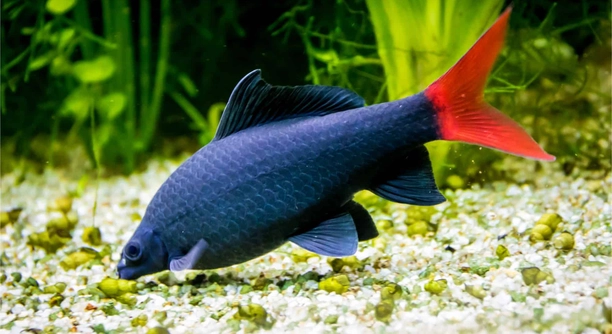
Rainbow sharks are popular aquarium fish known for their striking colors and active behavior. They can add life and movement to a home tank, but owning one requires some thought and preparation. It’s important to understand their needs before bringing one home.
Before getting a rainbow shark, consider its tank size, water conditions, diet, compatibility with other fish, and temperament. These factors are essential to maintaining a healthy environment and ensuring the fish’s well-being in captivity.
Learning about these details can prevent common problems and help you provide the best care for your rainbow shark. This guide will cover key points to keep in mind before making your decision.
Tank Size and Environment
Rainbow sharks need a spacious tank to thrive because they are active swimmers. A minimum of 55 gallons is recommended to give them enough room to move comfortably. The tank should have plenty of hiding spots with plants and decorations to reduce stress. Proper filtration and regular water changes are also necessary to keep water quality high. Rainbow sharks prefer slightly acidic to neutral water, with temperatures ranging from 74 to 80°F (23 to 27°C). Maintaining stable water conditions is key since sudden changes can harm their health. Before adding a rainbow shark, make sure your setup meets these requirements to avoid future problems.
A larger tank helps minimize aggression and allows your rainbow shark to swim freely without feeling confined. A crowded or small tank increases stress and territorial disputes.
Taking time to prepare the right environment ensures your rainbow shark stays healthy and active. Proper tank size and water quality are the foundation of successful care.
Compatibility with Other Fish
Rainbow sharks can be territorial, especially in smaller tanks.
Choosing compatible tank mates is important to avoid conflicts. Peaceful fish that occupy different tank levels, like bottom dwellers or mid-level swimmers, tend to do better with rainbow sharks. Avoid other aggressive or similarly territorial fish. Keep an eye on behavior to prevent bullying. If aggression occurs, separating fish may be necessary to protect all tank inhabitants. Providing enough space and hiding places helps reduce tension and allows fish to coexist peacefully. Consider these factors carefully when planning your aquarium community to maintain a balanced environment.
Diet and Feeding
Rainbow sharks are omnivores and require a balanced diet to stay healthy. Their meals should include both plant-based foods and protein sources to meet their nutritional needs. Feeding them a variety of foods ensures proper growth and vibrant colors.
A staple diet for rainbow sharks typically includes high-quality sinking pellets formulated for omnivorous fish. Supplementing their diet with live or frozen foods like bloodworms, brine shrimp, and daphnia provides necessary protein and helps mimic natural feeding habits. Fresh vegetables such as blanched zucchini, spinach, or peas offer fiber and essential nutrients. Feeding small portions two to three times daily prevents overfeeding and keeps water quality stable. Removing uneaten food quickly also reduces waste buildup in the tank.
Regular diet variation prevents nutritional deficiencies and keeps your rainbow shark interested in its meals. A well-fed rainbow shark is more active and displays better coloration, which enhances the aquarium’s appearance.
Temperament and Behavior
Rainbow sharks can be territorial and sometimes aggressive toward tank mates, especially in confined spaces.
They may chase smaller or slower fish but generally avoid fights if given enough space. They often patrol the bottom and mid-levels of the tank, marking their territory. Providing hiding places and visual barriers can reduce aggressive encounters. Some rainbow sharks calm down as they mature or if they are the only one of their kind in the tank. Monitoring behavior regularly helps identify signs of stress or bullying, allowing early intervention. Understanding their temperament helps maintain a peaceful community tank and ensures your fish’s wellbeing.
Water Quality and Maintenance
Consistent water quality is vital for rainbow sharks. Regular water testing and maintenance keep their environment healthy.
Perform weekly water changes of about 20-30% to reduce toxins and maintain stable parameters. Avoid sudden changes that can stress the fish and cause illness.
Lifespan and Growth
Rainbow sharks can live up to 5 to 8 years with proper care. They typically grow to about 6 inches long, requiring enough space as they mature. Planning for their adult size helps avoid overcrowding and stress in the tank.
Signs of Stress and Illness
Watch for changes in color, appetite, or behavior as early signs of stress or illness.
Prompt attention to these signs can prevent serious health issues and improve recovery chances.
How big do rainbow sharks get?
Rainbow sharks typically grow to about 6 inches in length when fully mature. Their size requires a tank that can comfortably accommodate their swimming habits and territorial behavior. Providing a tank smaller than 55 gallons may stunt their growth or lead to stress due to limited space.
What is the ideal tank size for a rainbow shark?
A minimum tank size of 55 gallons is recommended. This allows the fish enough space to swim freely and establish territory without frequent conflicts. A larger tank also helps maintain stable water conditions, which is essential for their health.
Are rainbow sharks aggressive?
Rainbow sharks can display territorial aggression, especially in confined spaces or when housed with similar species. They may chase smaller or slower fish but usually avoid fights if the tank is large enough and includes hiding spots. Aggression can often be minimized by keeping only one rainbow shark per tank.
What do rainbow sharks eat?
They are omnivores and require a varied diet. High-quality sinking pellets designed for omnivores form the staple of their diet. Supplementing with live or frozen foods such as bloodworms and brine shrimp adds necessary protein. Vegetables like blanched spinach or zucchini provide essential fiber.
How often should I feed my rainbow shark?
Feeding two to three small meals a day is ideal. This prevents overfeeding, which can degrade water quality, and keeps the fish healthy. Uneaten food should be removed promptly to avoid waste buildup.
What water conditions do rainbow sharks prefer?
Rainbow sharks thrive in slightly acidic to neutral water with a pH between 6.5 and 7.5. Temperatures should range from 74 to 80°F (23 to 27°C). Maintaining stable water parameters is crucial, as sudden changes can cause stress or illness.
Can rainbow sharks live with other fish?
Yes, but compatibility depends on the tank mates. Peaceful species that swim at different levels tend to coexist well. Avoid other territorial or aggressive fish. Adding plenty of hiding spaces also helps reduce conflicts.
How often should I clean the tank?
Perform weekly water changes of about 20-30%. Regular maintenance like gravel vacuuming and filter cleaning helps keep water quality high. Avoid changing too much water at once to prevent stress.
What are common health issues for rainbow sharks?
Poor water quality often leads to diseases such as fin rot or ich. Stress from overcrowding or aggression can weaken their immune system. Early detection of color fading, lethargy, or loss of appetite allows for timely treatment.
How long do rainbow sharks live?
With proper care, they can live between 5 to 8 years. Providing a suitable environment and balanced diet contributes significantly to their lifespan.
Do rainbow sharks require special lighting?
No special lighting is required. Standard aquarium lighting works well. However, providing a natural day-night cycle supports their normal behavior.
Is breeding rainbow sharks difficult?
Breeding in home aquariums is challenging because they need specific conditions and ample space. They also show aggression during spawning. Most owners focus on caring for one fish rather than breeding.
How can I reduce aggression in rainbow sharks?
Providing a large tank with hiding spots and avoiding housing multiple rainbow sharks helps reduce territorial disputes. Monitoring their behavior regularly and separating aggressive individuals if needed keeps the tank peaceful.
What decorations are best for rainbow sharks?
Use plants, rocks, and driftwood to create hiding places and break up sightlines. This reduces stress and limits aggression. Avoid sharp decorations that could injure their delicate fins.
How do I know if my rainbow shark is stressed?
Signs of stress include faded color, hiding excessively, loss of appetite, and erratic swimming. Stress often results from poor water quality, aggression, or inadequate tank size. Addressing these causes improves their wellbeing.
Can rainbow sharks live alone?
Yes, they can thrive alone and may show less aggressive behavior without tank mates. However, they still require proper tank size and care to remain healthy.
What should I do if my rainbow shark becomes sick?
Isolate the fish if possible and test water quality immediately. Treat common illnesses with appropriate medications and maintain excellent tank conditions. Consulting a vet or experienced aquarist can help guide treatment.
Are rainbow sharks suitable for beginners?
They require moderate experience due to their size, temperament, and water quality needs. Beginners should research thoroughly and prepare a suitable tank before purchasing.
How often do rainbow sharks need water changes?
Weekly changes of 20-30% maintain water quality. More frequent changes may be necessary if the tank is crowded or if water parameters fluctuate.
What temperature range do rainbow sharks prefer?
They do best between 74 and 80°F (23 to 27°C). Maintaining a stable temperature helps prevent stress and disease.
Do rainbow sharks need a heater?
If your home environment stays within their preferred temperature range, a heater may not be necessary. However, most aquarium setups benefit from a reliable heater to maintain consistent warmth.
Can rainbow sharks live with shrimp or snails?
They might eat smaller shrimp and snails. If you want to keep these species, choose larger or more robust types, and provide plenty of hiding places.
What is the best substrate for rainbow sharks?
Smooth gravel or sand works well. Avoid sharp or rough substrates that could damage their fins or barbels.
How active are rainbow sharks?
They are active swimmers, especially during feeding and daylight hours. Providing enough space to move keeps them healthy and happy.
Is it necessary to quarantine new fish before adding them to the tank?
Quarantining new fish helps prevent the introduction of disease. It is a good practice to protect existing tank inhabitants, including rainbow sharks.
Caring for a rainbow shark requires careful planning and commitment. These fish need enough space to swim and establish their territory comfortably, which means a larger tank is necessary. Without the proper environment, rainbow sharks can become stressed or aggressive, which affects their health and behavior. Maintaining good water quality, including stable temperature and pH, is essential for their wellbeing. Regular water changes and proper filtration will help keep their home clean and safe. Preparing the tank with hiding spots and decorations reduces stress and provides a natural feel that benefits the fish.
Feeding a rainbow shark the right diet is important for its growth and color. A combination of sinking pellets, live or frozen foods, and fresh vegetables ensures they get balanced nutrition. Overfeeding should be avoided to maintain water quality and prevent health problems. Understanding their temperament and compatibility with other fish helps create a peaceful tank community. Rainbow sharks may show territorial behavior, especially in small or crowded tanks. Choosing compatible tank mates and providing enough space can reduce aggressive incidents. Watching your fish regularly for signs of stress or illness allows for early care and treatment, which improves their chances of recovery.
Overall, owning a rainbow shark can be rewarding when you meet their needs carefully. They add beauty and movement to an aquarium but require thoughtful care and a suitable environment. Taking the time to learn about their behavior, diet, and tank requirements increases the likelihood of a healthy and long life for your fish. Consistent maintenance, attention to water quality, and monitoring their behavior will help you provide a comfortable and safe home. Rainbow sharks are best suited for aquarium owners prepared to meet these responsibilities, ensuring the fish thrive in their aquatic space.

Hello,
If you enjoy the content that we create, please consider saying a "Thank You!" by leaving a tip.
Every little bit helps us continue crafting quality advice that supports the health, happiness, and well-being of pets around the world, for pets of all shapes, sizes, and species.
We really appreciate the kindness and support that you show us!