
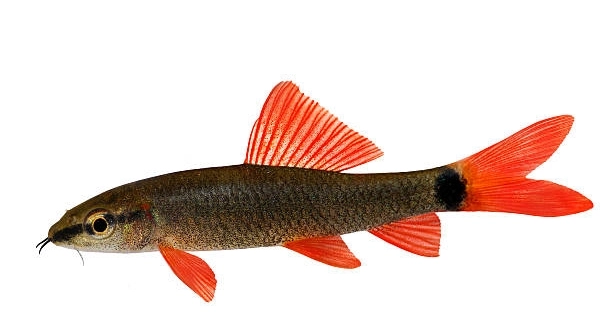
Rainbow Sharks are popular freshwater fish known for their vibrant colors and active nature. They need enough space to swim and thrive comfortably in an aquarium. Providing the right environment helps keep them healthy and stress-free.
Ensuring your Rainbow Shark has adequate space involves choosing a sufficiently large tank, maintaining proper water quality, and avoiding overcrowding. These factors collectively support their physical activity, territorial behavior, and overall well-being.
Understanding these key points will help you create a better home for your Rainbow Shark and improve its quality of life.
Choosing the Right Tank Size
Selecting an appropriate tank size is the first step in giving your Rainbow Shark enough space. These fish are active swimmers and need room to move freely. A tank that is at least 55 gallons is recommended for one Rainbow Shark. Smaller tanks can cause stress and lead to aggressive behavior. The tank should also have a long, horizontal shape to provide ample swimming space. Avoid tall, narrow tanks as they limit the fish’s natural movement. Proper tank size helps maintain water quality by diluting waste more effectively, which is vital for your fish’s health. Providing enough space reduces territorial disputes with other fish and keeps your Rainbow Shark comfortable.
A 55-gallon or larger tank ensures your Rainbow Shark can swim naturally and reduces stress-related health problems.
Regularly assess if your tank size meets your fish’s needs, especially if you plan to keep multiple fish or add other species.
Maintaining Proper Water Conditions
Maintaining water quality is essential for your Rainbow Shark’s health. Regular water changes help remove toxins and keep the environment clean. Monitor water temperature, aiming for 74–80°F, which supports their natural habitat. The pH should stay between 6.5 and 7.5. Filtration is important to keep the water clear and oxygenated. Overfeeding can lead to waste buildup, so feed sparingly and remove uneaten food. Use a reliable water testing kit to check ammonia, nitrite, and nitrate levels. Proper water conditions reduce stress, boost immune response, and encourage active behavior.
Water maintenance may seem demanding but is critical to prevent illness and promote a long life for your Rainbow Shark.
Keeping water clean and balanced supports your fish’s natural behavior and enhances its vibrant colors. Consistent care shows in their health and activity levels.
Avoiding Overcrowding
Overcrowding limits space for your Rainbow Shark to swim and increases stress. It can also lead to territorial aggression and poor water quality.
Keeping fewer fish in the tank reduces competition for space. If you plan to add other species, make sure the tank size increases accordingly. Rainbow Sharks are territorial and prefer to have their own space to patrol. Overcrowding can cause fin damage and weaken their immune system. Proper stocking levels help maintain a peaceful environment and reduce stress-related health issues.
Separate aggressive or overly active tank mates to prevent bullying and injury. Monitor fish behavior regularly and adjust tank population as needed to keep harmony.
Providing Hiding Spots and Territory Boundaries
Hiding spots help Rainbow Sharks feel secure and reduce territorial conflicts. Use decorations like caves, plants, and rocks to create distinct areas in the tank. This setup mimics their natural environment and gives them places to retreat when stressed. Proper hiding spots encourage natural behavior and reduce aggression. Territorial boundaries created by decor help Rainbow Sharks share space without constant fighting. Without enough shelters, they may become aggressive or stressed, which affects their health.
Arrange tank decorations thoughtfully to balance open swimming areas with sheltered spots. Change the layout occasionally to keep your fish engaged. This improves their overall well-being and comfort in the aquarium.
Monitoring Fish Behavior
Observing your Rainbow Shark regularly helps detect signs of stress or discomfort early. Changes in swimming patterns or aggression may indicate space issues.
Behavioral changes often signal the need for adjustments in tank setup or population. Keeping a close eye ensures timely action to maintain a healthy environment.
Regular Tank Maintenance
Cleaning the tank and replacing water frequently prevent waste buildup that can reduce swimming space. This keeps the water clear and safe.
Regular maintenance also helps avoid harmful ammonia or nitrate levels that affect fish health. Consistent care supports your Rainbow Shark’s comfort and longevity.
Choosing Compatible Tank Mates
Selecting peaceful, non-aggressive fish reduces territorial disputes and overcrowding stress. Avoid species known to compete for the same space.
Compatible tank mates contribute to a balanced aquarium, allowing your Rainbow Shark to thrive without constant conflict or stress.
FAQ
How big should my tank be for a Rainbow Shark?
A minimum of 55 gallons is recommended for one Rainbow Shark. This size gives enough swimming space and helps reduce stress and aggression. Larger tanks are better if you plan to keep multiple fish or add other species.
Can Rainbow Sharks live with other fish?
Yes, but tank mates should be peaceful and not overly aggressive. Avoid fish that occupy the same swimming levels or compete for territory. Compatible species include larger tetras, gouramis, or peaceful bottom dwellers.
How often should I clean the tank?
Regular cleaning is important to maintain water quality. Perform partial water changes of 20-25% every one to two weeks. Clean the substrate and remove uneaten food to prevent waste buildup.
What water conditions do Rainbow Sharks need?
They prefer a temperature between 74°F and 80°F, with a pH of 6.5 to 7.5. Ammonia and nitrite levels should be kept at zero, while nitrates should be low through regular water changes and filtration.
Why does my Rainbow Shark chase other fish?
Rainbow Sharks are territorial by nature. Chasing can be a sign of defending their space, especially if the tank is too small or overcrowded. Providing enough space and hiding spots can reduce this behavior.
What decorations work best for Rainbow Sharks?
Use caves, rocks, and plants to create hiding spots and territory boundaries. These decorations help reduce aggression and provide places for your fish to retreat if stressed.
How can I tell if my Rainbow Shark is stressed?
Signs include erratic swimming, hiding more than usual, loss of appetite, or visible injuries. Stress often comes from overcrowding, poor water quality, or aggressive tank mates.
Is it okay to keep multiple Rainbow Sharks together?
It is possible if the tank is large enough—usually over 75 gallons—and has plenty of hiding places. However, they may still show territorial behavior, so careful monitoring is needed.
What should I feed my Rainbow Shark?
Rainbow Sharks are omnivores. Provide a balanced diet of sinking pellets, flakes, and occasional live or frozen foods like bloodworms or brine shrimp. Avoid overfeeding to keep water quality stable.
How important is tank shape for Rainbow Sharks?
A long, horizontal tank is better than a tall, narrow one because Rainbow Sharks swim along the bottom and need horizontal space to move comfortably.
Can I keep Rainbow Sharks in a community tank?
Yes, with peaceful fish and adequate space. Avoid small or slow-moving fish that might become targets. Proper tank setup and compatible species are key to harmony.
How do I reduce aggression in my tank?
Increase tank size, add more hiding spots, and avoid overcrowding. Rearranging tank decorations can help break up territories and reduce conflicts.
What temperature fluctuations are safe for Rainbow Sharks?
Keep temperature stable within the preferred range. Sudden changes can stress the fish and weaken their immune system.
How do I know if my tank is overcrowded?
Look for signs like frequent aggression, poor water quality, or fish hiding excessively. Counting fish per gallon is a simple way to assess if space is sufficient.
What role does filtration play in maintaining space?
Good filtration keeps water clean and oxygenated, allowing fish to use the full tank volume without avoiding polluted areas.
Can Rainbow Sharks jump out of the tank?
Yes, they are known to jump occasionally. A secure tank lid is important to prevent escapes and injuries.
How long do Rainbow Sharks live?
With proper care, they can live 5 to 8 years, sometimes longer. Good tank conditions and diet contribute to longevity.
What signs indicate illness related to space issues?
Stress from limited space can cause fin rot, infections, or lethargy. Early treatment and improving living conditions are essential.
Is it necessary to rearrange tank decorations regularly?
Occasional rearrangement can prevent territorial dominance and keep the environment stimulating for your fish.
How much space does a baby Rainbow Shark need?
Juveniles need less space but grow quickly. Start with a large tank or be prepared to upgrade as they mature to avoid overcrowding later.
Ensuring your Rainbow Shark has enough space is essential for its health and well-being. Providing a large enough tank allows the fish to swim freely and express natural behaviors. When space is limited, Rainbow Sharks can become stressed, which leads to aggressive behavior and health problems. Proper tank size, clean water, and thoughtful decoration all work together to create an environment where your fish can thrive. Paying attention to these factors helps prevent common issues and supports a longer, happier life for your Rainbow Shark.
Regular monitoring and maintenance are important parts of caring for your Rainbow Shark. Keeping an eye on water quality and fish behavior helps you identify problems early. Cleaning the tank regularly and performing partial water changes keeps the environment safe and comfortable. Observing how your fish interacts with its tank mates and territory can also guide you in making adjustments. These efforts might take some time but will improve the overall health and happiness of your aquarium inhabitants.
Finally, remember that each Rainbow Shark is unique and may have different needs. Some fish may require more space or hiding spots depending on their personality or tank setup. Being flexible and willing to adjust your aquarium environment is key to successful fishkeeping. Creating a peaceful, spacious habitat shows respect for your fish’s natural behavior. With patience and proper care, your Rainbow Shark will be a lively and beautiful addition to your home.

Hello,
If you enjoy the content that we create, please consider saying a "Thank You!" by leaving a tip.
Every little bit helps us continue crafting quality advice that supports the health, happiness, and well-being of pets around the world, for pets of all shapes, sizes, and species.
We really appreciate the kindness and support that you show us!