
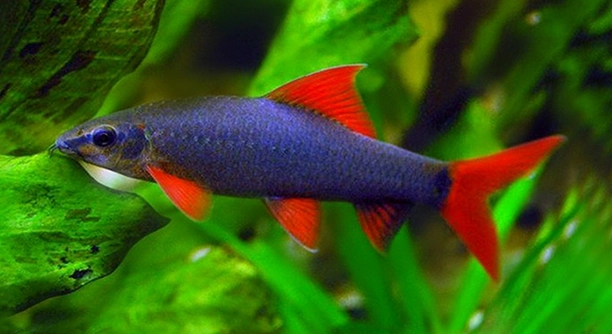
Rainbow sharks are popular aquarium fish known for their vibrant colors and active behavior. Keeping them safe from injuries is important for their health and well-being. Many owners want to ensure their rainbow sharks live comfortably without harm.
Preventing injuries in rainbow sharks involves maintaining proper tank conditions, avoiding overcrowding, providing hiding spots, and ensuring compatible tank mates. Regular water quality checks and a balanced diet also contribute significantly to reducing stress and physical harm.
Learning these simple care tips will help you protect your rainbow shark and create a safer environment for your aquatic pet. This guide covers practical ways to keep them healthy and injury-free.
Maintain Proper Tank Conditions
Keeping the water clean and stable is one of the best ways to prevent injuries in your rainbow shark. These fish are sensitive to poor water quality, which can lead to stress and make them more prone to accidents. Regular water changes and testing for ammonia, nitrites, and nitrates are necessary. The tank temperature should stay between 74°F and 80°F, with a pH level around 6.5 to 7.5. Using a good filtration system helps keep the water clear and removes harmful substances. Make sure the tank is large enough—at least 30 gallons—for your rainbow shark to swim comfortably. When conditions are right, your fish will be less likely to injure itself by scratching against rough surfaces or fighting with other fish.
Good water quality supports your fish’s overall health and prevents injuries caused by poor environment stress.
Creating a stable, clean habitat reduces physical harm and supports healing if your rainbow shark gets hurt. Monitoring water parameters helps spot issues early before they cause injury. A properly sized tank gives your fish enough room to avoid bumping into decorations or other fish. Adding plants and smooth rocks creates safe spaces where your rainbow shark can rest and hide when feeling threatened. Keeping the water balanced ensures your rainbow shark’s skin and fins stay healthy, lowering the risk of infection from wounds. These small steps make a big difference in preventing injury.
Avoid Overcrowding
Overcrowding causes stress and aggression in rainbow sharks. It raises the risk of injury from fights and accidents.
When too many fish share the tank, your rainbow shark may become territorial and lash out. Overcrowding also leads to poor water quality because waste builds up faster. This increases the chance of infections and fin damage. Providing enough space allows your rainbow shark to swim freely without bumping into others. Ideally, keep only one rainbow shark per tank unless it’s very large. Watch for signs of stress like torn fins or hiding more often. Reducing crowding helps keep your fish calm and safe from harm.
Provide Hiding Spots
Hiding spots help rainbow sharks feel safe and reduce stress, which lowers their risk of injury.
Adding caves, plants, and decorations lets your fish retreat when feeling threatened. This reduces chasing and fights with other tank mates. When your rainbow shark has a safe place, it won’t panic and hurt itself by swimming too fast or bumping into tank walls.
Use smooth decorations to avoid sharp edges that can cut fins or skin. Live plants also improve water quality and offer natural shelter. Arranging hiding spots in different areas lets your fish choose where to rest. This simple step helps keep your rainbow shark calm and physically safe.
Choose Compatible Tank Mates
Tank mates must be peaceful and non-aggressive to avoid harming your rainbow shark. Aggressive fish can cause injuries by chasing or biting. Choose species that share similar water needs and temperament. Avoid small fish that rainbow sharks might see as prey or large, territorial species that compete for space. Good companions include barbs, danios, and some tetras.
Monitor interactions closely when introducing new fish. If aggression appears, separate the fish quickly to prevent injury. Compatibility prevents stress and physical harm, making the tank a safer environment. Selecting the right companions helps maintain peace and protects your rainbow shark from unnecessary fights or accidents.
Regular Water Testing
Regular water testing is essential to catch problems early. Poor water quality can cause stress and injuries in rainbow sharks.
Testing ammonia, nitrite, nitrate, and pH levels helps keep the tank safe. Monitoring water conditions prevents sudden changes that harm your fish.
Feed a Balanced Diet
A balanced diet strengthens your rainbow shark’s immune system and helps heal injuries faster. Provide high-quality pellets, frozen or live foods, and occasional vegetables. Avoid overfeeding to keep water clean. Proper nutrition supports overall health and reduces vulnerability to infections and damage.
Avoid Sharp Decorations
Sharp decorations can easily injure your rainbow shark. Use smooth rocks and plants instead. Removing sharp objects lowers the risk of cuts and fin tears.
Observe Your Fish Daily
Watching your fish daily helps spot injuries or unusual behavior early. Early detection allows for prompt care, preventing minor wounds from worsening.
FAQ
How can I tell if my rainbow shark is injured?
Look for signs like torn or frayed fins, white spots, redness, or swollen areas on the body. Changes in behavior, such as hiding more often or swimming erratically, can also indicate injury. Promptly checking your fish helps catch problems early before they get worse.
What should I do if my rainbow shark gets injured?
First, isolate the injured fish in a separate tank to prevent further harm and reduce stress. Keep the water clean and stable. Use aquarium salt or mild medications recommended for fish wounds. Avoid overcrowding and monitor your fish’s recovery closely.
Can tank mates cause injuries to my rainbow shark?
Yes, aggressive or territorial tank mates can chase or nip at rainbow sharks, leading to injuries. Choose peaceful, compatible species and provide plenty of hiding spots. Monitor interactions to prevent fights that might harm your fish.
Is water quality really that important for preventing injuries?
Absolutely. Poor water quality causes stress, weakening your rainbow shark’s immune system and making injuries more likely. Regular testing and maintenance keep the environment safe and reduce the chance of wounds and infections.
How often should I clean the tank to keep my rainbow shark safe?
Partial water changes of about 20-30% every one to two weeks are recommended. Frequent cleaning keeps ammonia and nitrite levels low, preventing harmful conditions. Avoid cleaning the entire tank at once to protect beneficial bacteria.
What types of foods help my rainbow shark heal faster?
High-quality pellets, frozen or live foods like bloodworms or brine shrimp, and occasional blanched vegetables support good health. A balanced diet strengthens the immune system, helping wounds heal more quickly.
Can decorations cause injuries in the tank?
Yes, sharp or rough decorations can cut fins or skin. Use smooth rocks, driftwood, or live plants to create a safe environment. Regularly inspect decorations for damage or sharp edges that could harm your fish.
How can I reduce stress in my rainbow shark to prevent injuries?
Providing hiding spots, proper tank mates, and stable water conditions lowers stress. Avoid sudden changes in lighting or temperature. Stress weakens your fish, making them more vulnerable to accidents and disease.
Is it okay to keep more than one rainbow shark in the same tank?
Rainbow sharks can be territorial, so it’s best to keep only one per tank unless it’s very large. If you want multiple, provide plenty of space and hiding places to reduce conflicts that could lead to injury.
What are the signs of infection in injured rainbow sharks?
Look for redness, swelling, white or fuzzy patches, and changes in behavior like lethargy or loss of appetite. Infections can worsen quickly, so treating early with appropriate medications is important.
Should I use medications to prevent injury infections?
Using mild antibacterial or antifungal treatments after injuries can help prevent infections. Always follow instructions carefully and avoid overuse, which can harm beneficial bacteria or stress your fish.
How important is monitoring my rainbow shark’s behavior?
Daily observation helps spot injuries, illness, or stress early. Catching problems quickly improves the chances of successful treatment and keeps your fish healthy.
What tank size is best to prevent injuries in rainbow sharks?
A minimum of 30 gallons is recommended for one rainbow shark. Larger tanks reduce crowding, lower stress, and provide enough space to avoid accidental bumps and fights.
Can temperature changes cause injuries?
Sudden or extreme temperature changes can stress your fish, making them more prone to injury and disease. Keep the water temperature stable between 74°F and 80°F for best results.
How do hiding spots prevent injuries?
Hiding spots let your rainbow shark rest and feel secure. This reduces panic swimming and aggression, lowering the risk of accidental injuries. Use caves, plants, and smooth decorations to create safe spaces in the tank.
Taking good care of your rainbow shark is important to keep it healthy and injury-free. Providing a clean and stable tank environment helps reduce stress and prevents many common injuries. Regular water testing, proper filtration, and keeping the tank at the right temperature make a big difference. Overcrowding and aggressive tank mates can cause fights and injuries, so it’s best to choose companions carefully and give your fish enough space. Adding hiding spots with smooth decorations gives your rainbow shark safe places to rest and feel secure, which also lowers the risk of harm.
Feeding your rainbow shark a balanced diet supports its immune system and helps it heal if it does get hurt. High-quality pellets combined with occasional live or frozen foods keep your fish strong and healthy. Avoiding sharp decorations and rough surfaces in the tank prevents cuts and fin tears. Watching your fish daily allows you to notice any injuries or unusual behavior early, which can make treatment more effective. If you do find an injury, isolating your fish in a separate tank and using mild treatments can help speed recovery and prevent infections.
Overall, preventing injuries in rainbow sharks requires attention to their environment, diet, and companions. Small changes in tank setup or care routine can improve your fish’s well-being and safety. Remember that healthy fish are less likely to get hurt and recover faster when they do. Taking these simple steps will help you create a peaceful and safe home for your rainbow shark to thrive. Consistent care and observation are the keys to enjoying a happy, injury-free fish.

Hello,
If you enjoy the content that we create, please consider saying a "Thank You!" by leaving a tip.
Every little bit helps us continue crafting quality advice that supports the health, happiness, and well-being of pets around the world, for pets of all shapes, sizes, and species.
We really appreciate the kindness and support that you show us!