
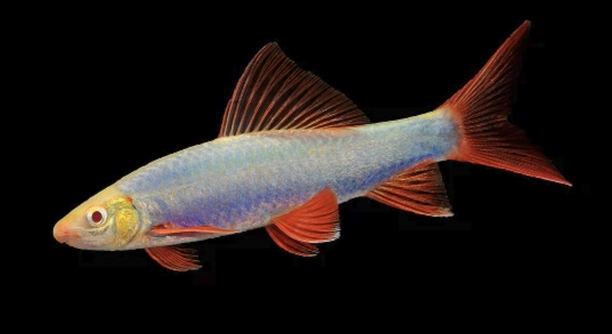
Are your rainbow sharks acting more aggressive than usual, chasing tank mates or guarding corners like it’s their territory?
The most common causes of rainbow shark aggression include tank size, incompatible tank mates, lack of hiding spots, poor water quality, and territorial behavior. Addressing these factors can significantly reduce hostility in a shared aquarium environment.
Understanding the root of these behaviors helps create a calmer tank. Let’s explore the key reasons behind aggression and how to create a peaceful space for your rainbow shark.
Tank Size Is Too Small
Rainbow sharks need space to swim and establish their own territory. When kept in a small tank, they feel cramped and stressed. This often leads to aggressive behavior, especially if they can’t escape from or avoid other fish. A tank under 50 gallons is usually too small for an adult rainbow shark, especially if other fish are present. Limited swimming room increases territorial instincts, and the shark may begin to chase or nip at tank mates. A larger tank with open space and clear boundaries gives them room to explore and helps reduce the need to defend every inch.
A minimum of 55 gallons is recommended to give your rainbow shark enough room to swim and feel secure. Larger tanks also allow for better water conditions and easier territory division.
If aggression started after you moved the shark into a smaller tank, upgrading to a more spacious one could quickly improve things. Watch for changes in behavior over time.
Incompatible Tank Mates
Some fish types simply don’t get along with rainbow sharks. Peaceful or slow-moving fish can become easy targets, while other territorial species may provoke frequent fights.
Choosing the right tank mates makes a big difference. Avoid keeping rainbow sharks with other bottom dwellers like red-tailed sharks or loaches, as they will likely compete for the same space. Fast-swimming fish that occupy the top levels of the tank, like danios or barbs, are better suited companions. Even then, each fish has its own personality, so it’s important to monitor how they interact. If your rainbow shark keeps chasing or biting certain fish, consider removing one of them to maintain balance. You can also rearrange the tank to break up established territories, which may reduce tensions. Adding visual barriers like driftwood or tall plants helps prevent direct lines of sight, allowing tank mates to avoid conflict zones. A peaceful setup is more likely when fish don’t feel threatened or cornered.
Lack of Hiding Spots
Rainbow sharks need places to hide to feel safe. Without caves, plants, or decorations to break up space, they may become territorial and lash out. A bare tank often leads to more chasing and stress for everyone inside.
Adding hiding spots helps reduce aggression by creating separate areas for fish to claim. Use smooth rocks, driftwood, PVC tunnels, and dense plants to build natural barriers. Spread them throughout the tank to give each fish its own retreat. This setup limits direct line of sight and lowers the chance of conflict. When rainbow sharks can retreat or establish a spot of their own, they become less defensive and more relaxed. Even shy fish will benefit from having somewhere to escape. Keep in mind that a cluttered tank is not ideal either, so aim for a balance of open swimming space and covered areas to help all fish feel secure.
The more complex your tank layout is, the better it is for managing rainbow shark behavior. A well-structured tank with clear boundaries and soft corners keeps stress low. Hiding spaces also help break up the territory, so no fish feels the need to control the entire space. This small change can improve tank harmony significantly.
Poor Water Conditions
Poor water quality makes rainbow sharks uncomfortable and more likely to act out. Ammonia, nitrites, and even subtle changes in pH or temperature can affect their behavior. A stressed fish is often a more aggressive one.
Check water parameters weekly and make small adjustments when needed. A properly cycled tank with consistent maintenance is key to keeping rainbow sharks healthy and calm. Use a reliable test kit to monitor ammonia, nitrite, nitrate, and pH levels. Perform partial water changes regularly, and clean filters to prevent buildup. Keep temperatures between 75–80°F and ensure stable readings. Sudden changes, even if temporary, can trigger stress and lead to increased aggression. Watch for signs like rapid breathing, hiding more often, or constantly chasing tank mates—these may point to water quality issues. Fixing these problems not only improves your rainbow shark’s behavior but also helps the rest of the tank thrive.
Territorial Nature
Rainbow sharks are naturally territorial. They often claim a specific area of the tank and guard it aggressively. This behavior becomes stronger in smaller tanks or when there are fewer hiding spots to break up the space.
Giving them space and obstacles to define their territory helps ease this instinct. Use plants, rocks, or driftwood to break up their line of sight and reduce stress levels.
Feeding Time Aggression
Feeding time can trigger aggressive behavior, especially if food is limited or falls into one spot. Rainbow sharks may chase off others to get more, leading to fights or injured fish.
To help with this, spread the food across different areas of the tank. Use slow-sinking pellets or floating flakes depending on your fish types. Try feeding at opposite ends of the tank if you notice chasing or biting. Feeding smaller amounts more frequently can also keep aggression lower by reducing competition. Watch closely during meals to see if one fish is dominating the food source—adjust your routine if needed. Reducing stress at feeding time can calm your tank overall.
Maturity and Hormonal Changes
As rainbow sharks grow older, their behavior may change. Maturity often brings stronger territorial instincts and increased aggression.
FAQ
Why is my rainbow shark so aggressive all of a sudden?
Sudden aggression can be caused by changes in the tank environment. This includes water quality shifts, new tank mates, or rearranging decorations. Sometimes, the fish is reacting to stress or feeling threatened. Check for any recent changes and review water parameters. Also, observe if the tank size feels cramped or if hiding spots are missing. Adjusting these factors usually helps calm aggressive behavior over time.
Can keeping multiple rainbow sharks together cause fights?
Yes, rainbow sharks are territorial and usually do not get along with others of their own kind in the same tank. They tend to compete over space and resources, which often leads to chasing and nipping. If you want multiple rainbow sharks, a very large tank with plenty of hiding spots is essential. However, many hobbyists recommend keeping only one rainbow shark per aquarium to avoid unnecessary aggression.
How can I stop my rainbow shark from chasing other fish?
The best way to reduce chasing is by giving your rainbow shark enough space and hiding places. Rearranging decorations to break up the tank’s layout can help separate territories. Adding plants, rocks, and caves creates boundaries and reduces stress. Feeding your fish well and consistently also lowers competition for food, which can decrease chasing. If chasing continues, review your tank mates and consider more compatible species.
Is aggression normal behavior for rainbow sharks?
Some level of aggression is normal because rainbow sharks are naturally territorial. They protect their space and may show dominance over others. However, constant or severe aggression can indicate problems such as poor tank conditions, overcrowding, or stress. Understanding when aggression becomes harmful is important to prevent injuries and ensure a peaceful tank environment.
What tank size is best to reduce aggression in rainbow sharks?
A minimum tank size of 55 gallons is recommended for one rainbow shark. Larger tanks provide more space to establish territories without conflict. Bigger tanks also make it easier to add hiding spots and maintain stable water quality. Overcrowding in smaller tanks usually leads to stress and aggressive behavior, so upgrading the tank often improves overall harmony.
Can water parameters cause aggression in rainbow sharks?
Yes, poor water quality or sudden changes in temperature, pH, or ammonia levels can stress rainbow sharks, making them more aggressive. Stable, clean water keeps them healthy and calm. Regular testing and maintenance are key. Avoid sudden changes and keep parameters within ideal ranges: pH around 6.5–7.5 and temperature between 75–80°F.
Will adding plants reduce aggression?
Adding live or artificial plants helps break lines of sight and creates natural hiding places. This reduces territorial disputes and allows fish to avoid each other if needed. Dense planting can soften aggressive tendencies by giving rainbow sharks more places to feel secure. However, balance is important—too many plants can crowd the tank and increase stress.
How often should I feed my rainbow shark to avoid aggression?
Feeding smaller amounts two to three times daily usually works best. This reduces competition and aggressive chasing during meals. Spread the food in different areas to prevent one fish from dominating. Avoid overfeeding but ensure your rainbow shark gets enough nutrition to stay healthy and less aggressive.
Can rearranging the tank help with aggression?
Yes, rearranging decorations disrupts established territories and forces fish to reestablish boundaries. This can reduce ongoing fights by mixing things up. Use rocks, plants, and caves to create multiple zones and reduce direct lines of sight. After rearranging, watch fish behavior closely as they adjust.
What should I do if aggression doesn’t improve?
If aggression remains high despite changes, consider removing the most aggressive fish or separating them temporarily. You may also need to rethink your fish selection to find more compatible tank mates. In some cases, upgrading to a larger tank or adding more hiding spots is necessary. Persistent aggression can lead to injury or stress, so don’t ignore it.
Final Thoughts
Rainbow sharks are beautiful and active fish, but their aggression can be challenging for aquarium owners. Understanding the reasons behind their behavior is the first step to creating a calmer and healthier environment. Many common causes, such as small tank size, lack of hiding spots, or poor water quality, can be fixed with simple adjustments. Paying attention to these factors helps reduce stress for your fish and makes the whole tank more peaceful. It’s important to remember that some aggression is natural due to their territorial instincts, but it should not become harmful or constant.
Providing enough space is one of the most effective ways to prevent rainbow shark aggression. A larger tank gives them room to swim freely and establish their own territory without feeling threatened. Adding plants, decorations, and caves creates separate zones and hiding places, which can ease territorial disputes. Keeping compatible tank mates and spreading out feeding areas also helps reduce competition and chasing. Consistent water testing and maintenance keep the environment stable, which lowers stress and supports healthier behavior overall.
If aggression continues even after making these changes, it may be necessary to reconsider your tank setup or fish choices. Sometimes, rainbow sharks just do not fit well with certain fish or limited spaces. Removing the most aggressive individuals or upgrading to a bigger aquarium can make a big difference. With patience and care, you can create a balanced tank where your rainbow shark and other fish live comfortably together. Observing your fish regularly and responding to their needs will help you keep a peaceful and thriving aquarium for years to come.

Hello,
If you enjoy the content that we create, please consider saying a "Thank You!" by leaving a tip.
Every little bit helps us continue crafting quality advice that supports the health, happiness, and well-being of pets around the world, for pets of all shapes, sizes, and species.
We really appreciate the kindness and support that you show us!