
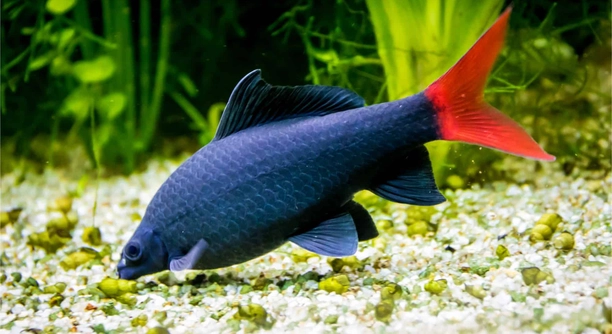
Rainbow sharks are popular aquarium fish known for their striking colors and active nature. However, they can face several health problems that may affect their well-being and appearance. Recognizing common causes of illness is essential for maintaining a healthy environment for these fish.
Rainbow shark illnesses can result from poor water quality, bacterial infections, parasites, nutritional deficiencies, stress, injury, and improper tank conditions. Addressing each cause involves water testing, medication, dietary adjustments, and ensuring a suitable habitat to promote recovery and prevent further issues.
Knowing these causes and treatments will help you keep your rainbow shark healthy and vibrant. The following information offers practical steps to manage and prevent common illnesses effectively.
Poor Water Quality
Poor water quality is one of the leading causes of illness in rainbow sharks. When ammonia, nitrite, or nitrate levels rise, it creates a toxic environment that stresses the fish and weakens their immune system. Frequent water changes and regular testing are essential to keep water parameters safe. Chlorine and other chemicals in tap water can also harm your fish if not properly treated. Overfeeding can contribute to water pollution by increasing waste. A clean tank with stable conditions helps rainbow sharks stay healthy and active. Proper filtration and avoiding overcrowding are key to maintaining good water quality and preventing illness.
Maintaining water quality reduces stress and lowers the risk of infections in rainbow sharks. Consistent monitoring and care create a stable environment.
Checking water parameters weekly and performing partial water changes will protect your fish. Using a reliable water conditioner removes harmful chemicals. Keeping the tank clean and avoiding excess food will help maintain balance. This approach supports your rainbow shark’s overall health and makes illnesses less likely.
Bacterial and Parasitic Infections
Bacterial and parasitic infections can cause various symptoms such as fin rot, ulcers, and lethargy in rainbow sharks. These infections often occur due to poor water conditions or injuries.
These infections require targeted treatments like antibiotics or antiparasitic medications. Early detection is important to prevent severe damage.
When infections develop, it is usually a sign that your fish’s environment or health has been compromised. Identifying the specific infection is necessary for effective treatment. Bacterial infections often appear as redness or white patches on the skin or fins, while parasites might cause scratching or rapid breathing. Quarantining infected fish helps avoid spreading illness to other tank inhabitants. Along with medication, improving water quality and reducing stress support recovery. Clean tanks and a balanced diet strengthen your rainbow shark’s defenses against these threats and speed up healing. Regular observation is key to catching infections early and acting promptly.
Nutritional Deficiencies
Rainbow sharks need a balanced diet that includes protein and plant matter. Without proper nutrition, they can develop health issues like weakened immunity and slow growth. Feeding varied and high-quality food is essential to avoid these problems.
A lack of essential vitamins and minerals often leads to poor coloration, lethargy, and increased susceptibility to disease. Commercial sinking pellets formulated for omnivorous fish provide a good base diet. Supplementing with fresh vegetables, such as blanched spinach or zucchini, and occasional protein treats like bloodworms supports their nutritional needs. Avoid overfeeding, as uneaten food can pollute the tank and cause water quality issues. Monitoring your fish’s appetite and condition helps ensure they receive adequate nutrition. Balanced feeding supports their immune system and overall vitality.
Regularly offering varied food helps prevent dietary gaps that can harm your rainbow shark’s health. Providing fresh, nutritious options maintains energy and vibrant colors. Watching your fish’s behavior and appearance lets you spot potential diet-related problems early.
Stress Factors
Stress greatly impacts the health of rainbow sharks. Poor tank conditions, aggressive tankmates, or sudden changes in the environment cause stress, weakening their immune system.
Reducing stress involves creating a calm habitat with hiding spots and stable water parameters. Avoid overcrowding and aggressive species in the same tank. Frequent water testing and gentle handling help maintain a stress-free environment. Sudden changes like rapid temperature shifts or loud noises should be minimized. Proper tank size also plays a role; rainbow sharks need enough space to swim comfortably. Keeping stress low helps prevent disease and supports long-term health. Observing your fish’s behavior for signs of stress, such as hiding or erratic swimming, allows early intervention. A stable and peaceful tank environment is key to keeping rainbow sharks healthy and happy.
Injury and Physical Damage
Rainbow sharks can get injured from sharp decorations or fighting with tankmates. These wounds can lead to infections if not treated quickly.
Removing harmful objects and separating aggressive fish helps prevent injuries. Prompt care of wounds reduces the risk of further health problems.
Improper Tank Conditions
Inadequate tank size or poor setup can stress rainbow sharks and cause health issues. They require at least 55 gallons with hiding spaces and smooth surfaces.
A properly set up tank supports natural behavior and reduces stress. Good filtration and stable water parameters are necessary for their well-being.
Stress from Overcrowding
Too many fish in one tank increase stress and competition for resources. Overcrowding reduces water quality and raises disease risk.
Maintaining appropriate stocking levels ensures healthier and less stressed rainbow sharks. Space allows them to swim freely and stay active.
FAQ
What are the signs my rainbow shark is sick?
Common signs include loss of appetite, lethargy, clamped fins, unusual swimming patterns, visible wounds, or discoloration. Fin rot or white patches may also appear. Watching for these changes early can help catch illness before it worsens.
How often should I test my aquarium water?
Testing water at least once a week is ideal to keep ammonia, nitrite, and nitrate levels in check. Frequent testing helps catch problems early and prevents toxic buildup that can harm your fish.
Can poor diet cause disease in rainbow sharks?
Yes. A diet lacking in variety or essential nutrients weakens their immune system, making them prone to infections and slow healing. Providing balanced food with proteins, vegetables, and supplements supports their health.
What medications are safe for treating infections?
Antibacterial and antiparasitic medications formulated for freshwater fish are generally safe. Always follow the dosage instructions carefully and isolate sick fish during treatment to prevent spreading the disease.
How can I reduce stress in my aquarium?
Maintain stable water conditions, provide hiding spots, avoid overcrowding, and minimize sudden changes in temperature or lighting. Handling your fish gently and choosing compatible tankmates also reduces stress.
Is quarantine necessary for new fish?
Yes. Quarantining new fish for two to four weeks prevents introducing diseases into your main tank. It allows you to observe and treat any illness before mixing them with established fish.
What should I do if my rainbow shark has a wound?
Clean the wound with a gentle antiseptic solution and improve water quality to prevent infection. Isolate the injured fish if needed and monitor closely. Medication may be required if signs of infection appear.
Can water temperature affect my rainbow shark’s health?
Yes, rainbow sharks prefer water between 74°F and 80°F. Temperatures outside this range can cause stress and weaken their immune system. Use a reliable heater and thermometer to maintain stable conditions.
How important is tank size for rainbow sharks?
A tank of at least 55 gallons is recommended to provide enough swimming space. Small tanks can cause stress, aggression, and health problems due to poor water quality and limited territory.
What role does filtration play in preventing illness?
Effective filtration removes waste, excess food, and harmful chemicals from the water. Good filtration maintains water clarity and quality, which is essential for the health and comfort of your rainbow shark.
Can I treat rainbow shark illnesses naturally?
Improving water quality, providing a balanced diet, and reducing stress are natural ways to support recovery. However, some infections require medication for full treatment. Natural care is best combined with proper medical intervention.
How do I know if my tankmates are causing stress or injury?
Watch for aggressive behavior such as chasing, nipping fins, or territorial disputes. If your rainbow shark hides frequently or shows signs of injury, tankmates may be the cause. Consider separating incompatible fish.
What foods should I avoid feeding my rainbow shark?
Avoid processed human foods, overly fatty items, or foods that sink too quickly and pollute the tank. Stick to high-quality pellets, fresh vegetables, and occasional live or frozen protein treats to ensure balanced nutrition.
How long does it take for a sick rainbow shark to recover?
Recovery time depends on the illness severity and treatment speed. Mild issues can improve within days, while serious infections may take weeks. Consistent care and clean water speed up healing.
Can stress alone cause illness in rainbow sharks?
Stress weakens the immune system and makes fish more vulnerable to infections. While stress itself is not an illness, it is a significant factor contributing to health problems.
Should I change water during treatment?
Partial water changes during treatment help keep the environment clean but avoid changing all water at once. Sudden changes can stress your fish and reduce medication effectiveness.
How often should I feed my rainbow shark?
Feeding once or twice daily with amounts they can consume in 2-3 minutes is best. Overfeeding leads to waste buildup, which harms water quality and fish health.
What is fin rot and how can I prevent it?
Fin rot is a bacterial infection causing fins to fray and decay. Prevent it by maintaining clean water, avoiding injury, and reducing stress. Early treatment with antibiotics can stop progression.
Can rainbow sharks live peacefully with other fish?
They can coexist with compatible species if the tank is large enough and hiding places are available. Avoid small or slow-moving fish that may become targets for aggression.
What should I do if my rainbow shark stops eating?
Loss of appetite can indicate illness or stress. Check water quality, tank conditions, and look for visible signs of disease. Isolate the fish if needed and consult medication options if the problem continues.
Final Thoughts
Rainbow sharks are striking fish that add life and color to a freshwater aquarium. However, they require proper care and attention to stay healthy. Understanding the common causes of illness, such as poor water quality, infections, stress, and dietary problems, helps prevent many health issues before they start. Regular monitoring of water conditions, feeding a balanced diet, and maintaining a stable, clean environment are key steps every owner should follow. Taking these measures supports your rainbow shark’s immune system and overall well-being.
Illnesses in rainbow sharks can often be avoided by keeping a close eye on their behavior and appearance. Early detection of symptoms like loss of appetite, unusual swimming, or visible wounds allows for timely treatment and improves recovery chances. It is important to act quickly when health problems arise, including isolating sick fish and using appropriate medications if necessary. Maintaining a stress-free environment by providing adequate space, compatible tankmates, and hiding spots also plays a significant role in preventing disease. These simple practices make a big difference in the long-term health of your fish.
In the end, caring for rainbow sharks involves consistent effort and attention. While health issues may occur, understanding how to recognize and address them helps ensure a happy and vibrant fish. Patience and proper care create a positive environment where rainbow sharks can thrive. With steady maintenance and awareness of their needs, you can enjoy watching these beautiful fish live healthy, active lives in your aquarium for many years.

Hello,
If you enjoy the content that we create, please consider saying a "Thank You!" by leaving a tip.
Every little bit helps us continue crafting quality advice that supports the health, happiness, and well-being of pets around the world, for pets of all shapes, sizes, and species.
We really appreciate the kindness and support that you show us!