
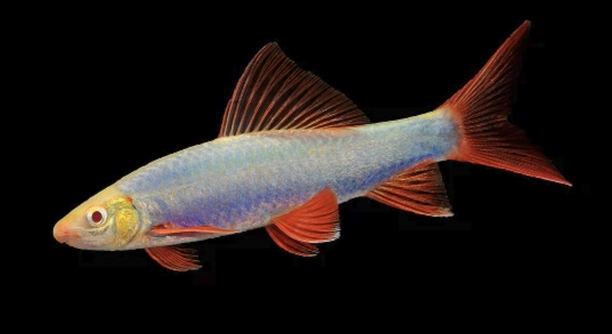
Are your Rainbow Sharks refusing to eat and leaving you worried about their health? This issue is common among aquarium owners and can be frustrating when your fish lose their appetite. Understanding the reasons behind this behavior is important for their care.
Rainbow Sharks often stop eating due to stress, poor water quality, incorrect diet, illness, or tank conditions. Identifying and addressing these factors systematically can restore their appetite and promote a healthy environment for their well-being.
Knowing how to fix these common problems will help you get your Rainbow Shark back to eating normally and thriving in your tank. The following tips cover the most effective solutions to this feeding issue.
Check Water Quality and Parameters
Poor water quality is one of the main reasons a Rainbow Shark may stop eating. These fish are sensitive to changes in water conditions, so maintaining proper parameters is crucial. Test the water regularly for ammonia, nitrites, nitrates, pH, and temperature. Ammonia and nitrites should always be at zero, while nitrates should be kept below 20 ppm. The pH level should stay between 6.5 and 7.5, and the temperature should be stable around 74–80°F (23–27°C). High ammonia or nitrite levels can cause stress or illness, which directly affects appetite. Sudden changes in pH or temperature may also cause discomfort and lead to loss of appetite. Regular water changes and proper filtration help keep the environment stable and safe. Using a reliable water test kit is essential to catch problems early and prevent health issues.
Monitoring water quality regularly ensures your Rainbow Shark lives in a healthy environment, which encourages normal eating habits. Consistent maintenance can prevent most appetite problems related to water conditions.
Keeping water clean and stable requires regular testing and changes. Avoid overcrowding your tank, as this increases waste and affects water quality. Proper filtration and aeration also improve oxygen levels. These simple steps keep the tank environment comfortable for your Rainbow Shark, reducing stress and encouraging feeding behavior.
Adjust Their Diet
Rainbow Sharks need a varied diet to stay healthy and interested in their food. They are omnivores but prefer a mix of vegetable matter and protein. Offering high-quality sinking pellets designed for bottom feeders is a good start. Supplement their diet with fresh or blanched vegetables like zucchini, cucumber, or peas. Occasionally, include live or frozen foods such as bloodworms, brine shrimp, or daphnia. Avoid feeding only flakes or one type of food, as this can cause boredom and refusal to eat. Feeding small amounts two to three times a day helps prevent overfeeding and keeps their appetite steady. Removing uneaten food after a few minutes also maintains water quality. By providing balanced and appealing meals, you support their nutritional needs and encourage regular feeding.
A varied diet tailored to Rainbow Sharks’ preferences promotes healthy eating habits and overall well-being.
If your Rainbow Shark refuses to eat, changing the type or presentation of food may help. Try soaking pellets in garlic juice or switching to fresh options. Offering food at consistent times creates a routine that fish respond to positively. Remember that sudden diet changes should be gradual to avoid digestive upset. Observing how your fish reacts to different foods guides you to what they prefer, helping restore their appetite effectively.
Reduce Stress in the Tank
Stress is a common reason Rainbow Sharks stop eating. Factors like aggressive tankmates, sudden changes, or overcrowding cause stress. Reducing these helps improve their appetite.
Aggressive or territorial fish can intimidate Rainbow Sharks, causing them to hide and refuse food. Make sure tankmates are compatible and avoid overcrowding. Provide plenty of hiding spots using plants, rocks, or decorations. Stable lighting and a consistent routine reduce stress as well. Keep noise and vibrations near the tank to a minimum, since loud disturbances can frighten your fish. Stress weakens their immune system, making them more prone to illness and appetite loss.
Creating a calm environment with fewer stressors encourages your Rainbow Shark to feel safe and eat regularly. Observing their behavior can help identify and remove stress causes quickly.
Check for Illness and Parasites
If your Rainbow Shark won’t eat, illness or parasites may be the cause. Signs include lethargy, clamped fins, or visible spots. Early treatment is important for recovery.
Common illnesses include bacterial infections, fin rot, and parasitic infestations. Quarantine any sick fish to prevent spreading. Use appropriate medications as recommended for the specific issue. Improving water quality and nutrition supports healing. Monitor closely during treatment to see if appetite returns. If symptoms worsen or persist, consult a veterinarian or aquarium specialist.
Prevent illness by maintaining clean water and a balanced diet. Regular observation helps catch health problems early, which improves chances of full recovery.
Provide Proper Tank Size
Rainbow Sharks need enough space to swim and establish territory. A tank that is too small causes stress and reduces appetite.
A minimum of 55 gallons is recommended for one Rainbow Shark. Larger tanks are better if you keep multiple fish. Adequate space helps prevent aggression and supports natural behavior.
Maintain Proper Lighting Cycle
A consistent light-dark cycle helps regulate Rainbow Sharks’ natural rhythms and encourages feeding. About 10–12 hours of light per day is ideal. Use a timer to keep this schedule regular, which reduces stress and improves overall health.
Avoid Overfeeding
Overfeeding can cause uneaten food to pollute the tank and lead to appetite loss in Rainbow Sharks. Feed only what they can eat in a few minutes. Excess food reduces water quality and may cause digestive issues.
FAQ
Why is my Rainbow Shark hiding and not eating?
Hiding is often a sign of stress or illness in Rainbow Sharks. If the fish feels threatened by tankmates or changes in the environment, it will retreat to safe spots and refuse food. Poor water quality or disease can also cause hiding. Addressing these problems usually helps the fish return to normal behavior.
Can water temperature affect my Rainbow Shark’s appetite?
Yes, water temperature plays a key role in their feeding habits. Rainbow Sharks thrive between 74°F and 80°F (23°C to 27°C). Temperatures outside this range can slow their metabolism, causing them to eat less or stop eating entirely. Keeping temperature stable within this range supports a healthy appetite.
How long can a Rainbow Shark go without eating?
Rainbow Sharks can survive for several days without food, but going beyond a week without eating is harmful. Extended fasting weakens their immune system and overall health. If your fish stops eating for more than three days, it’s important to check for stressors, illness, or tank issues.
Is it normal for Rainbow Sharks to stop eating during tank changes?
Yes, it is common for Rainbow Sharks to reduce or stop eating during changes to their tank. Moving them, adjusting water parameters, or redecorating can cause stress. Give them time to adjust, keep water conditions stable, and minimize disturbances to help them regain their appetite.
What foods are best to encourage a picky Rainbow Shark to eat?
High-quality sinking pellets designed for bottom feeders are a good base. Supplement with blanched vegetables like zucchini or peas, and occasional live or frozen protein such as bloodworms or brine shrimp. Offering variety and fresh options encourages interest in feeding.
Can overfeeding cause my Rainbow Shark to stop eating?
Yes, overfeeding can lead to uneaten food polluting the tank and causing poor water quality, which stresses fish and reduces appetite. Overfeeding may also cause digestive issues. Feed small amounts that your fish can consume within a few minutes, two to three times daily.
How can I tell if my Rainbow Shark is sick?
Look for signs like lethargy, loss of color, clamped fins, unusual spots or sores, rapid breathing, or abnormal swimming. A sick Rainbow Shark will often refuse food. Early detection and treatment improve recovery chances.
Should I quarantine a new Rainbow Shark before adding it to my tank?
Yes, quarantining new fish for at least two weeks helps prevent introducing diseases or parasites to your main tank. Observe the new fish for signs of illness and treat if necessary before mixing with existing fish.
Can tankmates cause a Rainbow Shark to stop eating?
Yes, aggressive or territorial tankmates can intimidate Rainbow Sharks, causing them to hide and avoid food. Choose compatible fish that are peaceful and avoid overcrowding. Provide hiding places to reduce stress and encourage feeding.
How often should I test my aquarium water?
Testing water weekly is ideal for maintaining stable conditions. Monitor ammonia, nitrites, nitrates, pH, and temperature regularly. Early detection of issues prevents stress and appetite loss in Rainbow Sharks. Use a reliable test kit to keep track easily.
When a Rainbow Shark stops eating, it can be worrying, but most causes are manageable with the right care. Ensuring the tank has clean, stable water with proper temperature and pH levels is essential. Poor water quality or sudden changes in the environment often stress fish and lead to appetite loss. Regular testing and maintenance help avoid these problems. Providing enough space and hiding spots reduces stress, making the fish feel safer and more comfortable in its home.
Feeding the right diet is another key factor. Rainbow Sharks need a mix of sinking pellets, vegetables, and occasional live or frozen foods to stay healthy and interested in eating. Overfeeding or offering only one type of food can cause problems. Feeding small amounts multiple times a day while removing uneaten food keeps the tank clean and encourages consistent feeding habits. Changing food types slowly and observing your fish’s preferences can help address picky eating or appetite loss.
Finally, watch for signs of illness or parasites, which can also cause a Rainbow Shark to stop eating. Early detection and treatment improve the chances of recovery. Stress from tankmates or overcrowding can also impact feeding behavior. By addressing these common issues step-by-step, you can help your Rainbow Shark regain its appetite and enjoy a healthy life. Keeping a close eye on your fish’s environment and behavior is the best way to prevent feeding problems and ensure they thrive in your aquarium.

Hello,
If you enjoy the content that we create, please consider saying a "Thank You!" by leaving a tip.
Every little bit helps us continue crafting quality advice that supports the health, happiness, and well-being of pets around the world, for pets of all shapes, sizes, and species.
We really appreciate the kindness and support that you show us!