
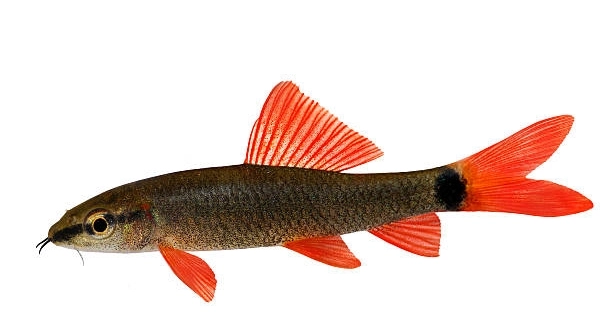
Rainbow Sharks are popular aquarium fish known for their vibrant colors and active behavior. However, they can sometimes become aggressive, causing stress to other tank inhabitants. Understanding their behavior is important for maintaining a peaceful aquarium environment.
Aggression in Rainbow Sharks often arises from territorial disputes, overcrowding, or improper tank conditions. Providing adequate space, hiding spots, and compatible tank mates can significantly reduce aggressive behavior and promote harmony within the aquarium.
These simple steps can help you create a calmer habitat for your Rainbow Shark and protect your other fish from harm.
Provide Enough Space for Your Rainbow Shark
Rainbow Sharks need plenty of room to swim and claim territory. A small tank can increase stress and lead to aggression. Ideally, your tank should be at least 55 gallons to give them enough space to move comfortably. When they have space, they are less likely to feel threatened by other fish. Adding decorations like rocks and plants helps create boundaries and hiding spots, which further reduces tension. Avoid overcrowding by keeping the number of fish appropriate for your tank size. When Rainbow Sharks have their own space, they are calmer and less aggressive.
A tank that is too small or overcrowded increases stress and aggression in Rainbow Sharks.
A well-sized tank helps reduce fights and keeps your Rainbow Shark healthy. It also improves the overall environment for all your fish, leading to a more peaceful aquarium. Make sure to plan your tank layout carefully, providing plenty of space and hiding spots. This helps your Rainbow Shark feel secure and lowers the chance of aggressive behaviors. Regular maintenance and monitoring will also support a balanced habitat.
Choose Compatible Tank Mates
Selecting the right tank mates is important to prevent fights. Rainbow Sharks can be territorial, so avoid housing them with similar-shaped or aggressive fish. Good companions are peaceful species that prefer different tank levels, like tetras or danios. Avoid slow-moving or shy fish that might get bullied. Introducing fish gradually and monitoring their interactions helps spot any problems early. By choosing compatible species, you reduce stress for everyone in the tank.
Proper tank mate selection prevents conflicts and promotes peaceful cohabitation.
Choosing the right tank mates for your Rainbow Shark reduces stress and aggression in the aquarium. Species that swim in different parts of the tank help avoid competition for territory. For example, surface dwellers like gouramis or bottom dwellers like Corydoras catfish tend to coexist well with Rainbow Sharks. Avoid fish that share the same aggressive or territorial nature, as this can increase fighting. Always research the temperament and needs of fish before introducing them. Careful selection and slow introduction can help maintain balance and harmony in your aquarium. This creates a better environment for all your fish to thrive.
Maintain Good Water Quality
Clean water is essential to keep Rainbow Sharks calm and healthy. Poor water conditions can cause stress, which leads to aggression. Regular water changes and testing for ammonia, nitrites, and nitrates are necessary to maintain a stable environment.
Proper filtration and regular water changes reduce harmful toxins and keep the tank stable. Stress from dirty water weakens fish immune systems and increases aggressive behavior. Use a reliable filter suitable for your tank size and perform partial water changes weekly. Testing the water ensures that parameters stay within safe ranges. Maintaining stable temperature and pH also helps prevent stress. Consistent water quality keeps Rainbow Sharks comfortable and less prone to aggression, promoting a healthier tank for all fish.
Keeping your tank clean is a simple but important step. It creates a healthy environment that discourages aggression. Regular maintenance shows in the behavior and appearance of your Rainbow Shark.
Provide a Balanced Diet
Feeding your Rainbow Shark the right food helps maintain good health and reduces aggression. An unbalanced diet can cause irritability or health issues. A mix of pellets, flakes, and occasional live or frozen foods works well.
Rainbow Sharks are omnivores that benefit from varied nutrition. High-quality sinking pellets or wafers should form the base of their diet since they spend much time near the tank bottom. Supplement with frozen bloodworms, brine shrimp, or vegetables like zucchini to add vitamins and minerals. Avoid overfeeding, as excess food can pollute the tank and cause health problems. Feeding small amounts two to three times a day is best to keep your fish energetic and satisfied. Well-fed Rainbow Sharks show less aggressive behavior and interact better with tank mates.
Avoid Sudden Changes in Environment
Sudden changes can stress Rainbow Sharks and trigger aggression. Keep lighting, temperature, and water parameters stable. Gradual adjustments help fish adapt smoothly.
Consistent conditions create a sense of security. Avoid rearranging tank decorations too often, as this disrupts their territory. A calm environment lowers aggressive tendencies and supports fish health.
Use Hiding Spots Effectively
Providing hiding places reduces stress and territorial fights. Use caves, plants, and decorations to create natural shelters.
Hiding spots let Rainbow Sharks escape if feeling threatened. They also help break up the tank space, preventing constant territorial clashes. Ensure plenty of hiding places spread evenly across the tank to reduce stress for all inhabitants.
Monitor Behavior Regularly
Regular observation helps spot early signs of aggression or stress. Watching your Rainbow Shark’s behavior allows for quick action.
Adjustments like changing tank mates or rearranging decorations can calm aggression if noticed early. Keeping a close eye protects your fish and helps maintain peace in the tank.
Keep Tank Conditions Stable
Stable tank conditions reduce stress and aggressive behavior in Rainbow Sharks. Avoid frequent fluctuations in water quality and temperature.
FAQ
Why is my Rainbow Shark acting aggressively all of a sudden?
Sudden aggression often results from changes in the tank environment. This can include new fish, changes in water quality, or rearranging decorations. Stress from any of these can cause your Rainbow Shark to defend its territory more aggressively. Checking water parameters and tank conditions can help identify the problem.
How can I reduce aggression without changing my tank size?
If expanding your tank isn’t possible, focus on creating more hiding spots and clearly defined territories using plants, rocks, or decorations. Spreading these throughout the tank helps reduce direct encounters and competition. Also, ensure water quality is stable and feed your fish regularly to lower stress and aggression.
Can overcrowding cause Rainbow Sharks to be aggressive?
Yes, overcrowding is a major factor in aggressive behavior. When too many fish share limited space, they compete for territory and resources. This stress can lead to frequent chasing or biting. Keeping the number of fish appropriate for your tank size is key to preventing aggression.
Is Rainbow Shark aggression seasonal or related to breeding?
Rainbow Sharks can show increased aggression during breeding seasons as they defend spawning sites. This behavior is temporary but can be intense. Providing plenty of hiding places and space helps reduce conflicts during these times.
Do certain fish species increase Rainbow Shark aggression?
Aggression can rise if Rainbow Sharks are housed with other territorial or similar-shaped fish. Species competing for the same space or food tend to cause conflicts. Peaceful fish that occupy different tank levels usually coexist better with Rainbow Sharks.
How often should I feed my Rainbow Shark to keep it calm?
Feeding your Rainbow Shark two to three times a day with small portions helps maintain energy and reduce irritability. Overfeeding should be avoided since leftover food can pollute the water and cause stress, which may increase aggression.
What water parameters are best to prevent aggression?
Stable water temperature between 72-79°F (22-26°C), a pH of 6.5-7.5, and low levels of ammonia and nitrites are ideal. Frequent testing and water changes help keep these parameters steady, reducing stress and aggressive behavior.
How can I tell if aggression is causing harm to my other fish?
Look for signs like torn fins, bruises, or hiding fish. Aggression often leads to visible injuries and stressed behavior in other tank mates. If you notice these signs, take action by increasing hiding spots, reducing fish numbers, or separating aggressive individuals.
Can adding plants help reduce aggression?
Yes, plants create natural barriers and hiding spots that break up the tank’s open space. This reduces direct competition and gives fish places to retreat. Both live and artificial plants can be effective if placed strategically.
Is it necessary to quarantine new fish to prevent aggression?
Quarantining new fish helps avoid introducing diseases and reduces stress in the main tank. Stress from illness or sudden changes can increase aggression. A quarantine period of two weeks allows new fish to adjust and ensures they’re healthy before joining the community.
What role does tank decoration placement play in aggression?
Proper decoration placement helps define territories and reduce conflicts. Spread hiding spots evenly and avoid large open areas where Rainbow Sharks may feel exposed. Rearranging decorations can cause temporary aggression, so keep changes minimal once territories are established.
Can stress from poor water quality cause long-term aggression?
Chronic poor water conditions weaken fish immune systems and increase stress hormones, which can make aggression more frequent and severe. Maintaining clean, stable water is critical for reducing aggression and promoting overall fish health.
How can I safely separate an aggressive Rainbow Shark?
If aggression becomes harmful, use a tank divider or a separate quarantine tank to isolate the aggressive fish. This prevents injury and gives other fish a chance to recover. Monitor behavior regularly to decide when reintegration is possible.
Are Rainbow Sharks aggressive towards smaller fish?
Rainbow Sharks can sometimes chase smaller, slower fish. Providing plenty of hiding spots and choosing fast, peaceful tank mates helps reduce this behavior. Avoid pairing them with very small or timid species prone to stress.
Can adjusting lighting reduce aggressive behavior?
Dimming lights or providing shaded areas can help lower stress levels in Rainbow Sharks. Bright lighting may increase territorial behavior, so moderate lighting is better for a calm tank environment.
This FAQ covers common concerns about Rainbow Shark aggression and offers practical tips to keep your aquarium peaceful. Proper care and attention to environment, diet, and companions play a major role in reducing aggressive behavior.
Final Thoughts
Managing aggression in Rainbow Sharks requires attention to their environment, diet, and social needs. Providing enough space is one of the most important factors. When these fish have plenty of room to swim and establish territories, they feel less threatened and act calmer. Overcrowding can quickly lead to stress and aggressive behavior, so selecting the right tank size and stocking levels matters a lot. Along with space, adding hiding spots like plants, rocks, and caves helps break up the tank and reduces conflicts by giving each fish a safe place to retreat.
Maintaining stable water conditions is equally crucial for keeping aggression under control. Rainbow Sharks are sensitive to changes in water quality, temperature, and pH. Sudden fluctuations or poor water quality cause stress, which often results in increased aggression. Regular water testing, proper filtration, and scheduled water changes help create a stable and healthy environment. Feeding a balanced diet on a consistent schedule also supports good health and reduces irritability. Overfeeding or underfeeding can lead to stress, so portion control and variety in food types are necessary.
Choosing suitable tank mates and watching your fish’s behavior closely will help maintain peace in the aquarium. Avoiding other territorial or aggressive species lowers competition and tension. Fish that occupy different tank levels or have calm temperaments usually get along well with Rainbow Sharks. Regular observation allows you to notice early signs of aggression and make quick adjustments, like rearranging decorations or separating fish if needed. Overall, meeting the basic needs of your Rainbow Shark with proper care and a peaceful environment will greatly reduce aggression and help your aquarium thrive.

Hello,
If you enjoy the content that we create, please consider saying a "Thank You!" by leaving a tip.
Every little bit helps us continue crafting quality advice that supports the health, happiness, and well-being of pets around the world, for pets of all shapes, sizes, and species.
We really appreciate the kindness and support that you show us!