
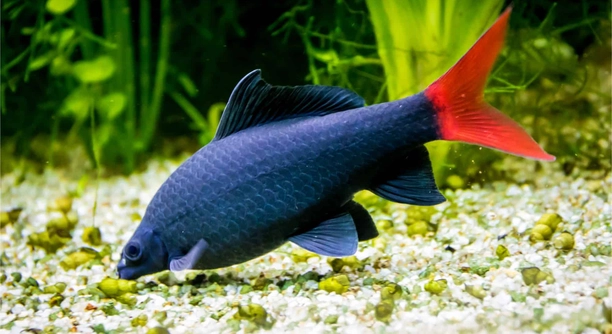
Is your rainbow shark acting differently or showing signs that make you worried about its health and comfort in the tank?
Rainbow sharks can show early signs of illness through changes in behavior, appetite, coloration, and movement. Recognizing these signs early helps prevent further complications and allows for timely treatment, improving the fish’s chances of recovery.
Knowing what to look for can make a big difference in how well your rainbow shark recovers and stays healthy long term.
Watch for Changes in Swimming Patterns
Rainbow sharks are active swimmers, usually moving with confidence across their tank. If you notice your shark swimming erratically, bumping into things, or staying in one spot for too long, this could be an early sign of stress or illness. Lethargy, floating near the surface, or sinking to the bottom without movement may indicate internal issues or problems with buoyancy. Rapid darting movements can also suggest discomfort or poor water conditions. These changes shouldn’t be ignored, as they usually appear before other symptoms. Observing your fish daily helps you catch these signs early and respond quickly.
Sudden changes in swimming behavior usually signal that something in the tank or the fish’s health has changed.
If your shark is swimming in circles, upside down, or seems to be struggling to stay upright, check water parameters immediately. Poor oxygen levels, high ammonia, or nitrate buildup can cause distress. A quick test using an aquarium kit can help identify problems fast. Sometimes, swim bladder issues or infections may be responsible. In such cases, isolating the fish, improving water quality, and adjusting its diet can help. Avoid feeding floating pellets if your fish has buoyancy trouble, as these can worsen the condition. Act early to prevent things from escalating.
Monitor Appetite and Eating Habits
A rainbow shark that suddenly stops eating or shows less interest in food may not be feeling well.
Appetite loss is often one of the first noticeable signs that something is wrong. If your shark skips meals for more than a day or two, watch for other symptoms. Changes in diet, feeding schedule, or new tankmates can also stress the fish. However, when paired with other unusual behaviors, this may point to a larger issue. Infections, parasites, or poor water conditions can all lead to a reduced appetite. It’s important to remove any uneaten food to keep the tank clean and prevent ammonia spikes. Overfeeding can make things worse, so stick to small, consistent portions. Offer high-quality sinking pellets, and occasionally include protein-rich treats like bloodworms or brine shrimp to encourage eating. If your shark continues refusing food, isolate it and seek guidance from a vet or aquatic specialist. Early action helps support recovery.
Check for Skin Discoloration or Spots
Discoloration, white patches, or red sores on your rainbow shark’s body often signal infection or stress. These changes may appear slowly or suddenly and should not be ignored, especially if they come with other signs of illness.
If you notice white fuzzy patches, your shark may have a fungal infection. Red streaks or open sores could indicate bacterial problems. A sudden loss of color or a pale appearance is often linked to poor water quality or stress. You’ll also want to check for irritation caused by sharp decorations or tankmates. Clean the tank regularly, and maintain proper filtration and stable temperature. Adding aquarium salt may help with healing minor skin damage. However, isolate the fish if the symptoms worsen. Use over-the-counter medications designed for tropical fish, but avoid treating the entire tank unless absolutely necessary. Catching skin issues early can prevent more serious problems from developing.
If the discoloration appears near the gills or mouth, it may affect breathing or eating. Keep a close eye on feeding habits and gill movement. In some cases, parasites like ich will show up as tiny white dots across the body. These parasites spread quickly, especially in crowded tanks. Raise the water temperature slightly and treat with an anti-parasitic. Ensure oxygen levels are stable throughout treatment. Proper tank hygiene, regular testing, and prompt action are key. Always quarantine new fish before adding them to your main tank, as many illnesses spread from poorly sourced tankmates.
Observe Aggression or Unusual Hiding
Rainbow sharks are naturally territorial, but an increase in aggression or long periods of hiding could point to stress or illness. Look out for signs like fin nipping, chasing, or staying hidden all day without interacting with the environment.
If your shark suddenly becomes overly aggressive, check tank size and décor. A cramped tank or lack of hiding spots may cause defensive behavior. You should also check for any recent changes like new fish, decorations, or a rearranged layout. These can unsettle your shark and lead to erratic behavior. On the other hand, if your shark is hiding more than usual or appears withdrawn, it could be unwell. This behavior might be linked to poor water conditions, infections, or internal problems. Test the water for ammonia, nitrite, and nitrate levels. If everything checks out, observe your fish closely over the next couple of days for more signs before making adjustments or starting treatment.
Look at Fin Condition and Movement
Torn, clamped, or ragged fins can be an early sign of stress, fin rot, or aggressive tank behavior. If the fins appear stuck together or dull in color, it usually signals an underlying issue that needs attention.
Check if tankmates are nipping at your shark’s fins or if sharp decorations are causing damage. Poor water quality, especially high ammonia or nitrite levels, can also lead to fin rot. Clean water and a proper diet support fin health and recovery.
Listen for Unusual Sounds or Popping
Some fish make clicking or popping sounds when gasping for air at the surface. While rainbow sharks are not vocal, repeated trips to the surface or gulping noises often indicate low oxygen levels or poor water quality. Check your filtration, surface agitation, and temperature settings. Consider adding an air stone to increase oxygen. If symptoms continue, inspect for possible gill parasites or infections. These may not be visible at first but can affect breathing and cause discomfort. Regularly cleaning the tank and avoiding overfeeding can help prevent oxygen drops that lead to these behaviors.
Watch for Waste Changes
Stringy, pale, or irregular waste often points to digestive issues, internal parasites, or poor diet. A healthy rainbow shark produces solid, consistent waste, so any noticeable change should be addressed quickly.
FAQ
How can I prevent my rainbow shark from getting sick?
Maintaining clean water is the best way to prevent illness. Test the tank regularly for ammonia, nitrites, and nitrates. Perform partial water changes weekly to keep the environment healthy. Avoid overcrowding the tank and provide plenty of hiding spots to reduce stress. Feeding a balanced diet with quality pellets and occasional protein treats helps support their immune system. Quarantine new fish before adding them to your tank to avoid introducing diseases. Also, keep the temperature steady between 72°F and 79°F to prevent stress-related issues. A well-maintained tank reduces the chance of infection and keeps your rainbow shark active and healthy.
What are common signs that my rainbow shark is sick?
Common early signs include changes in swimming behavior, loss of appetite, and discoloration or spots on the body. Clamped fins or ragged edges can also indicate stress or infection. Aggressive behavior or hiding more than usual often means something is wrong. Watch for unusual sounds like gulping or repeated trips to the surface, which might suggest breathing problems. Changes in waste, like stringy or pale feces, can point to digestive issues. Catching these signs early can make treatment more effective and improve recovery chances.
How do I treat fin rot in rainbow sharks?
Fin rot usually develops from poor water conditions or injury. Improve water quality immediately by doing partial water changes and cleaning the filter. Adding aquarium salt can help reduce bacterial growth and promote healing. If symptoms persist, use an antibacterial medication specifically made for tropical fish. Remove aggressive tankmates if they are causing fin damage. Maintain good nutrition and avoid overfeeding to help your shark recover faster. Isolate severely affected fish in a separate hospital tank to prevent spreading and allow closer monitoring.
Can diet affect my rainbow shark’s health?
Yes, diet plays a major role in keeping your rainbow shark healthy. A varied diet including high-quality sinking pellets, frozen or live bloodworms, and brine shrimp provides essential nutrients. Avoid overfeeding as leftover food can pollute the water and stress the fish. Occasionally adding vegetables like zucchini or peas can aid digestion. If your shark refuses food or loses weight, it could be a sign of illness or stress. Adjust the feeding routine and consider consulting an aquatic specialist for advice.
Why is my rainbow shark hiding more than usual?
Increased hiding can indicate stress or illness. It might be caused by poor water quality, aggressive tankmates, or sudden changes in the tank environment. Illness often leads fish to seek shelter as a protective behavior. Check water parameters and observe other symptoms like loss of appetite or abnormal swimming. Providing more hiding spaces and ensuring a calm environment helps reduce stress. If hiding continues along with other signs, consider isolating your fish and starting treatment.
How often should I test my tank water?
Testing water once a week is a good routine to catch potential problems early. Monitor ammonia, nitrite, nitrate, pH, and temperature regularly. Frequent checks allow quick adjustments and prevent dangerous buildups. Using reliable test kits and maintaining a log helps track trends over time. Adjust your cleaning and feeding habits based on test results. Regular water testing supports the long-term health of your rainbow shark and all tank inhabitants.
Is quarantine necessary for new fish?
Quarantining new fish for at least two weeks before adding them to your main tank is highly recommended. This prevents introducing diseases or parasites that could infect your rainbow shark. Keep the quarantine tank clean and monitor for any signs of illness. Treat new arrivals proactively if needed. Quarantine helps protect the established tank community and reduces stress on your rainbow shark by avoiding sudden disease outbreaks.
What should I do if my rainbow shark stops eating?
Loss of appetite is a warning sign. Check water quality immediately, as poor conditions often cause this behavior. Observe for other symptoms like lethargy, discoloration, or abnormal swimming. Try offering a variety of foods to tempt your fish. Isolate the shark if other fish are bullying it or causing stress. Consult an aquatic veterinarian or expert if the appetite doesn’t return in a few days. Early intervention can prevent further decline and improve treatment success.
Taking care of a rainbow shark means paying close attention to small changes in its behavior and appearance. Early signs of illness often show up before serious problems develop. Watching for changes in swimming patterns, appetite, coloration, or fin condition helps catch issues early. This way, you can act quickly to improve water quality, adjust feeding, or start treatment. Regular tank maintenance and monitoring are key steps in keeping your fish healthy and comfortable. The goal is to create a stable, clean environment that supports your rainbow shark’s natural behavior and overall well-being.
It is important to remember that many health problems in rainbow sharks come from stress caused by poor water conditions, overcrowding, or aggressive tankmates. Keeping the tank clean, properly sized, and well-planted reduces stress and prevents illness. Feeding a balanced diet and avoiding overfeeding also help maintain strong immune defenses. When you notice any signs of illness, such as discoloration, fin damage, or hiding, act without delay. Isolating the affected fish and testing water parameters often reveal the cause. Early intervention can save your rainbow shark from more serious health complications and increase the chances of a full recovery.
Overall, understanding the early warning signs of illness in your rainbow shark makes a big difference. Observing your fish daily allows you to notice subtle changes that may indicate trouble. Taking care of your tank environment and keeping a regular routine of testing and cleaning supports long-term health. Although illnesses can be stressful, being prepared and informed helps you respond effectively. By following simple care practices and watching for early symptoms, you give your rainbow shark the best chance to thrive and enjoy a healthy life in your aquarium.

Hello,
If you enjoy the content that we create, please consider saying a "Thank You!" by leaving a tip.
Every little bit helps us continue crafting quality advice that supports the health, happiness, and well-being of pets around the world, for pets of all shapes, sizes, and species.
We really appreciate the kindness and support that you show us!