
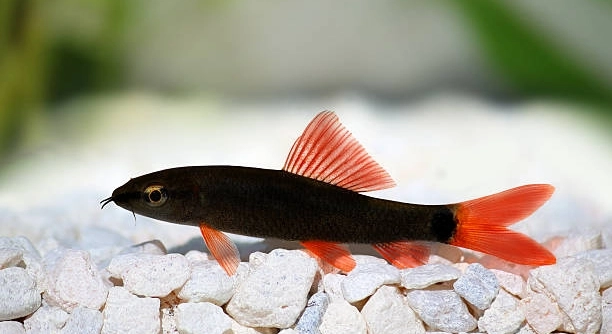
Aggressive rainbow sharks can make a peaceful aquarium feel tense. These fish often show territorial behavior that disrupts tank harmony. Managing their aggression is important for a balanced and healthy aquatic environment.
Controlling aggressive rainbow shark tankmates involves strategies like providing enough space, creating hiding spots, adjusting tank mates, and monitoring feeding routines. These measures reduce stress and territorial disputes, promoting a calmer community tank.
Learning practical ways to handle aggression will improve your fish’s wellbeing and create a more enjoyable tank experience for everyone involved.
Create More Space in the Tank
Rainbow sharks need plenty of room to swim and establish their territories without constant conflict. A crowded tank can increase stress and cause aggressive behavior to escalate quickly. If your tank is too small, consider upgrading to a larger one to give your fish enough personal space. More space reduces the chances of frequent territorial clashes and helps your rainbow sharks feel less threatened by their tankmates. Make sure to arrange decorations and plants so there are clear boundaries and open swimming areas. Avoid overcrowding by limiting the number of fish and choosing compatible species that can coexist peacefully. Maintaining proper water quality and filtration also supports a less stressful environment. When rainbow sharks feel secure, they are less likely to act aggressively.
Providing more space is one of the easiest ways to ease tension and improve the overall health of your tank community.
Taking the time to optimize tank size and layout creates a calmer setting for your rainbow sharks and other fish. This adjustment alone can lower stress and reduce fighting, making your aquarium a more balanced place.
Add Hiding Spots and Decorations
Adding hiding places like caves, plants, or rocks gives rainbow sharks a place to retreat. These spots help reduce their stress and decrease aggressive behavior because fish feel safer when they have somewhere to hide. Hiding spots also allow tankmates to escape if tensions rise. Without enough cover, rainbow sharks may feel cornered and react with more aggression. Choose decorations that provide visual barriers and break up the open space to limit direct confrontations. Live plants are great because they improve water quality while offering natural cover. Keep the layout varied so each fish can claim its own area without feeling crowded. Regularly check and clean these hiding spots to avoid debris buildup. Creating a tank with plenty of shelters helps maintain peace and encourages more natural behavior among your fish.
Adjust Tank Mates Carefully
Choosing compatible tank mates helps reduce aggression. Avoid small, slow fish that rainbow sharks might bully. Opt for fish that are fast and can hold their own. Avoid overcrowding to keep stress levels low and reduce conflicts.
Adding peaceful but active species balances the tank’s social dynamic. Fish like danios or barbs are often good choices because they are quick and don’t provoke rainbow sharks. Avoid other bottom dwellers that compete for the same space. Keeping species that don’t trigger territorial behavior lowers chances of fights. Watch interactions closely when introducing new fish and be ready to separate them if aggression rises. Carefully planned tank mates help create a calmer environment for everyone.
Tank mates need enough space to avoid feeling threatened. Crowding makes rainbow sharks defensive and more aggressive. Providing swimming room and hiding spots for all fish helps maintain peace. When fish can avoid each other, stress and attacks decrease, allowing all species to thrive.
Monitor Feeding Habits
Uneven feeding can cause competition and fights among rainbow sharks and other fish. Make sure all fish get enough food to avoid hunger-driven aggression. Feed small amounts multiple times a day to keep everyone satisfied.
Feeding all fish evenly is important to prevent fighting during mealtime. Rainbow sharks may become aggressive if they feel food is scarce or if they have to compete for it. Use sinking pellets that reach the bottom where rainbow sharks feed, but also scatter flakes or other food so mid-water fish get fed. Feeding in several spots in the tank helps avoid crowding. Observe feeding times to ensure no fish is missing out or bullying others. Consistent and fair feeding reduces stress and aggressive behaviors.
Adjust feeding routines if you notice persistent chasing or bullying. Sometimes spreading out feeding times or changing food types helps. Keeping your fish well-fed and calm is a simple way to improve tank harmony and reduce aggressive incidents.
Maintain Good Water Quality
Clean water keeps rainbow sharks healthy and less stressed. Poor water conditions can make fish irritable and aggressive. Regular water changes and proper filtration are essential.
Test water parameters often to ensure ammonia, nitrite, and nitrate levels stay safe. Healthy water supports calmer fish and a peaceful tank environment.
Use Tank Dividers When Needed
Tank dividers can separate aggressive individuals temporarily. This prevents serious injury while fish adjust or heal. Dividers give fish their own space without removing them from the tank.
Dividers are helpful during introductions or after fights. They allow controlled interaction and reduce stress by limiting direct contact. Using them carefully can protect your fish and help restore peace.
Avoid Overcrowding
Too many fish increase stress and aggression in the tank. Keep the fish population at a healthy level to reduce territorial disputes. Overcrowding leads to poor water quality and constant fighting.
Maintaining proper stocking levels supports a balanced and calm aquarium where rainbow sharks and other fish can coexist peacefully.
FAQ
Why are my rainbow sharks so aggressive?
Rainbow sharks are naturally territorial fish. They defend their space strongly, especially in smaller tanks or when there is not enough hiding space. Stress from overcrowding, poor water conditions, or incompatible tank mates can increase aggression. Providing enough room and hiding spots can reduce this behavior.
Can I keep multiple rainbow sharks together?
It’s best to avoid keeping multiple rainbow sharks in the same tank unless it is very large. They tend to compete for territory and become aggressive toward each other. If you want more than one, a tank over 75 gallons with plenty of hiding spaces is recommended.
What fish are good tank mates for rainbow sharks?
Fast-moving, mid- to top-dwelling fish work best. Species like danios, barbs, and certain tetras usually coexist well. Avoid slow or bottom-dwelling fish that share the same space, as they might become targets for aggression.
How often should I feed my rainbow sharks?
Feeding small amounts two to three times daily keeps them well-nourished without causing water quality issues. Uneven feeding can lead to competition and fights, so make sure all fish get enough food.
Will adding plants reduce aggression?
Yes, live plants provide hiding places and break up the tank visually. This lowers stress and territorial behavior. Plants also improve water quality, creating a healthier environment overall.
What signs show my rainbow shark is too stressed?
Look for constant hiding, loss of appetite, or torn fins. Aggressive chasing or damage to other fish also indicates stress. Poor water quality and overcrowding are common causes.
Can I use tank dividers to manage aggression?
Tank dividers can help temporarily by separating aggressive fish. This prevents injury and reduces stress during adjustment periods. Dividers allow fish to see each other without direct contact.
How often should I change the water?
Weekly water changes of about 20-30% help maintain good water quality. Clean water reduces stress and aggressive behavior in rainbow sharks and other fish.
Is lighting important in controlling aggression?
Proper lighting supports plant growth and keeps fish healthy. Too bright lighting can increase stress, while dim lighting creates a calmer environment. Balance lighting to match your tank setup and fish needs.
What should I do if aggression continues despite these steps?
If aggression persists, consider rehoming aggressive fish or separating them permanently. Sometimes individual temperament plays a big role, and a more peaceful tank benefits everyone. Observing behavior closely helps make the best decision.
Managing aggressive rainbow shark tankmates can feel challenging, but with the right approach, it is very doable. These fish naturally have territorial instincts, so some level of assertiveness is expected. The key is to create an environment that minimizes stress and competition, helping your rainbow sharks and other fish coexist more peacefully. Simple changes like providing enough space, adding hiding spots, and choosing suitable tank mates can make a big difference in reducing aggressive behavior. Taking the time to observe your tank and understand the needs of your fish allows you to adjust your setup in ways that support a calmer atmosphere.
Keeping water clean and maintaining good feeding habits also play important roles in managing aggression. Healthy fish are less likely to act out, and feeding routines that ensure everyone gets enough food prevent hunger-related fights. If aggression does arise, tools like tank dividers can help you manage conflicts without removing fish immediately. Sometimes, it takes a bit of trial and error to find the right combination of tank size, decorations, and companions for your rainbow sharks. Patience and careful monitoring are essential as you work toward a balanced community tank. Each small improvement can reduce tension and create a more enjoyable space for your fish.
Ultimately, caring for rainbow sharks means respecting their natural behavior while shaping their environment to reduce stress. Aggression is not always avoidable, but it can be managed effectively with thoughtful planning and regular attention. When your fish feel secure, have enough room, and get along with their tank mates, your aquarium will be healthier and more peaceful. These adjustments take time and effort but are worth it for the well-being of your aquatic pets. With consistent care, your tank can become a place where your rainbow sharks thrive without constant conflict.

Hello,
If you enjoy the content that we create, please consider saying a "Thank You!" by leaving a tip.
Every little bit helps us continue crafting quality advice that supports the health, happiness, and well-being of pets around the world, for pets of all shapes, sizes, and species.
We really appreciate the kindness and support that you show us!