
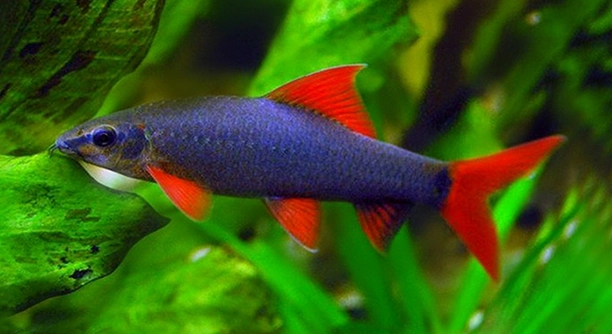
Rainbow sharks are popular aquarium fish known for their vibrant colors and active swimming. Many fish owners enjoy watching them, but sometimes these fish can stop moving as much or stay in one spot for too long. This article will help you keep your rainbow sharks healthy and lively.
Rainbow shark tank stagnation often results from poor water quality, lack of stimulation, or overcrowding. Regular tank maintenance, providing hiding spots, and ensuring proper tank size are key strategies to prevent inactivity and promote natural behavior.
Keeping rainbow sharks active requires attention to their environment and habits. The following tips will help maintain a healthy and dynamic tank.
Keep the Water Clean and Balanced
Keeping your rainbow shark’s tank water clean is very important. Dirty water can cause stress, making the fish less active. Regular water changes, about 25% weekly, help remove waste and keep harmful chemicals low. Testing the water for ammonia, nitrite, and nitrate levels is also needed. The ideal water temperature should be between 75 and 79 degrees Fahrenheit. Using a good filter helps remove debris and keeps the water moving, which the fish like. Avoid overfeeding, as leftover food can pollute the tank. When you clean the tank, avoid using soap or harsh chemicals because they can harm your fish. Instead, use a soft sponge or algae scraper to clean the glass. Maintaining a balanced environment helps your rainbow shark feel safe and encourages it to swim actively.
Healthy water encourages vibrant colors and lively behavior in rainbow sharks. Regular monitoring keeps their environment stable and prevents stagnation.
Clean water is the foundation of a thriving tank. By staying consistent with water changes and filtration, you create a healthy space where your rainbow shark can move freely and enjoy its home.
Provide Adequate Space and Hiding Spots
Rainbow sharks need enough room to swim and explore. A tank size of at least 30 gallons is recommended to prevent overcrowding. Too little space can cause stress and limit movement. Adding hiding spots like plants, rocks, or caves gives them places to rest and feel secure. This reduces boredom and promotes natural behavior. Hiding spots also help if there are other fish, as rainbow sharks can be territorial. Arrange decorations carefully to create clear swimming paths. Changing the layout occasionally can keep the environment interesting. A spacious tank with plenty of hiding places helps keep your rainbow shark active and comfortable.
Maintain Proper Tank Temperature
Keeping the tank temperature steady is important for rainbow sharks. Sudden changes can cause stress, leading to less activity.
Rainbow sharks do best in water temperatures between 75 and 79 degrees Fahrenheit. Using a reliable heater with a thermostat helps keep the temperature consistent. Avoid placing the tank near windows or vents where temperatures can fluctuate. Monitor the temperature daily with a thermometer to catch any changes early. Stable temperatures help the fish stay healthy and energetic.
Temperature affects metabolism and behavior. When the water is too cold or too warm, rainbow sharks may become sluggish or hide more. Proper temperature control ensures your fish remain active and healthy over time.
Feed a Balanced Diet Regularly
Rainbow sharks need a varied diet for good health and energy. Feeding them the right amount and type of food keeps them lively.
A diet including sinking pellets, flakes, and occasional live or frozen foods like bloodworms or brine shrimp provides balanced nutrition. Feed small amounts two to three times a day to prevent leftover food from polluting the water. Avoid overfeeding, as it can cause obesity and poor water quality. Including vegetables like blanched zucchini or peas adds fiber and variety. A well-fed rainbow shark will be more active, with brighter colors and better immune function.
Proper feeding habits support long-term health and prevent common problems. Monitoring how much your fish eat helps maintain clean water and encourages natural behavior, reducing tank stagnation.
Avoid Overcrowding the Tank
Too many fish in one tank can cause stress and reduce movement in rainbow sharks. Crowding also leads to poor water quality and aggression.
Keeping the tank population balanced ensures enough space for each fish to swim freely. Overcrowding makes it hard for rainbow sharks to establish territory, causing stagnation.
Encourage Movement with Tank Decorations
Using decorations like rocks, plants, and driftwood creates hiding spots and swimming paths. This encourages rainbow sharks to explore and stay active. Changing the layout occasionally helps keep the environment fresh and interesting for them.
Monitor Fish Behavior Closely
Watch your rainbow shark’s behavior daily. Signs of stagnation include hiding too much, floating in one spot, or loss of appetite. Early detection allows quick action to improve conditions and prevent health issues.
Why is my rainbow shark staying still most of the time?
A rainbow shark staying still often signals stress or discomfort. This can happen due to poor water quality, incorrect temperature, or lack of stimulation in the tank. When conditions are not right, fish tend to conserve energy by reducing movement. Additionally, overcrowding or aggressive tank mates may force your shark to hide and stay still. Regular maintenance, a proper tank setup, and monitoring water parameters can help your rainbow shark feel more secure and active.
How often should I clean my rainbow shark’s tank?
Cleaning your tank regularly is essential to keep your rainbow shark healthy and active. A good practice is to change about 25% of the water every week. During cleaning, remove leftover food, waste, and algae buildup without disturbing the beneficial bacteria in the filter. Avoid deep cleaning that wipes out all the bacteria at once, as this can cause a harmful spike in ammonia. Consistent maintenance creates a stable environment where your rainbow shark thrives.
Can tank size affect my rainbow shark’s activity?
Yes, tank size plays a big role in your rainbow shark’s behavior. Smaller tanks limit swimming space, which can make your fish stressed or inactive. Rainbow sharks need at least 30 gallons to swim comfortably and explore. A spacious tank also helps reduce territorial fights with other fish. Providing enough room allows your rainbow shark to express natural behaviors and stay energetic.
What is the best diet to keep my rainbow shark active?
A balanced diet is key to maintaining your rainbow shark’s energy levels. Feed sinking pellets designed for bottom feeders as a staple. Supplement with live or frozen foods like bloodworms and brine shrimp to add protein. Including vegetables like blanched zucchini or peas supports digestion and variety. Feed small amounts two to three times daily and avoid overfeeding to prevent water pollution and obesity. Proper nutrition keeps your rainbow shark vibrant and lively.
How can I create hiding spots for my rainbow shark?
Creating hiding spots helps reduce stress and boredom for your rainbow shark. Use plants, rocks, caves, or driftwood to build natural shelters in the tank. These spots give the fish places to rest and feel secure. They also break up the open swimming area, encouraging exploration and movement. Changing the decoration layout now and then keeps the environment interesting and engaging.
What water parameters are ideal for rainbow sharks?
Rainbow sharks prefer water temperatures between 75 and 79 degrees Fahrenheit. The pH level should be neutral to slightly acidic, around 6.5 to 7.5. Ammonia and nitrite levels must always be at zero, while nitrates should stay below 20 ppm. Maintaining these parameters through regular testing and water changes supports your rainbow shark’s health and activity.
Why is my rainbow shark hiding so much?
Excessive hiding is often a sign of stress, illness, or bullying by other fish. If your rainbow shark feels threatened or unwell, it will seek shelter more than usual. Check for water quality problems, temperature fluctuations, or aggressive tank mates. Ensuring a peaceful environment with plenty of hiding places can reduce hiding behavior and encourage swimming.
Can I keep rainbow sharks with other fish?
Rainbow sharks can be territorial and sometimes aggressive, especially in small tanks. They do best with peaceful, fast-swimming fish that occupy different areas of the tank. Avoid slow or long-finned fish that may be harassed. Providing enough space and hiding spots can reduce conflicts. Always monitor interactions when introducing new fish to keep the tank harmonious.
How do I know if my rainbow shark is healthy?
A healthy rainbow shark has bright colors, clear eyes, and smooth scales. It swims actively and responds to feeding times. Watch for normal breathing and no signs of disease like spots, swelling, or fin damage. Consistent activity and appetite are good indicators of well-being. Regular observation helps catch health issues early.
What should I do if my rainbow shark shows signs of illness?
If you notice changes like lethargy, loss of appetite, abnormal swimming, or visible symptoms, act quickly. Test the water for quality issues and perform a partial water change. Isolate the fish in a quarantine tank if possible to prevent spreading disease. Consult with an aquatic veterinarian or specialist for proper diagnosis and treatment options. Early intervention improves recovery chances.
Maintaining a healthy and active rainbow shark requires consistent care and attention. Ensuring clean water, proper tank size, and a balanced diet are the main factors that help prevent stagnation. When the environment is stable and comfortable, rainbow sharks naturally show more movement and vibrant colors. Paying close attention to their behavior and tank conditions will help catch any issues early, which can prevent bigger problems later on. Taking these steps allows the fish to thrive and makes the aquarium more enjoyable to watch.
Tank maintenance is more than just changing water. It includes monitoring temperature, water chemistry, and keeping the tank free of excess waste. Providing hiding spots and decorations encourages natural behavior, giving rainbow sharks places to rest and explore. Overcrowding should be avoided because it causes stress and reduces the fish’s activity. A balanced diet with varied food keeps the fish energetic and supports their immune system. Feeding in small amounts prevents leftover food from polluting the water, which helps maintain good tank conditions.
Overall, caring for rainbow sharks means creating a balanced environment where they feel secure and stimulated. Stagnation often results from poor water quality, lack of space, or improper diet. By focusing on these areas, you can keep your rainbow shark lively and healthy. Regular observation and small adjustments to the tank setup or care routine go a long way in supporting your fish’s well-being. Keeping these practices consistent will make a positive difference in the life of your rainbow shark.

Hello,
If you enjoy the content that we create, please consider saying a "Thank You!" by leaving a tip.
Every little bit helps us continue crafting quality advice that supports the health, happiness, and well-being of pets around the world, for pets of all shapes, sizes, and species.
We really appreciate the kindness and support that you show us!