
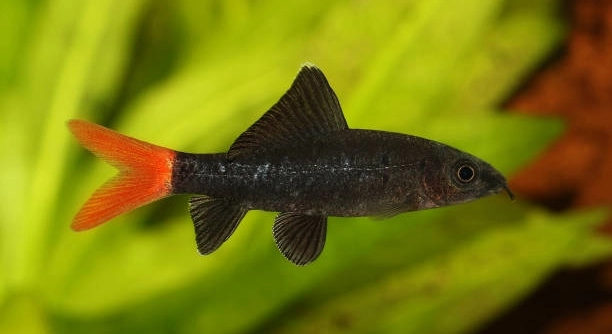
Many aquarium owners enjoy keeping rainbow sharks for their vibrant colors and active behavior. Ensuring these fish receive proper nutrition is essential for their health and well-being. Recognizing signs of inadequate feeding helps maintain a thriving aquatic environment.
Rainbow sharks that do not get enough food may exhibit several behavioral and physical signs. These include lethargy, weight loss, faded colors, increased aggression, hiding, reduced activity, and irregular swimming patterns. Identifying these signs early can prevent serious health problems.
Understanding these signs will help you provide better care for your rainbow shark. Proper feeding habits are key to keeping your fish healthy and lively for years to come.
Lethargy and Reduced Activity
When a rainbow shark is not eating enough, one of the first signs is lethargy. The fish will swim less and often rest at the bottom of the tank or hide more than usual. This lack of energy happens because the shark is not getting enough nutrients to support normal activity. Over time, the fish may lose interest in exploring its environment or interacting with other tank mates. Reduced movement is a clear signal that the fish’s diet is insufficient or unbalanced. Monitoring your rainbow shark’s daily behavior is important, especially if you notice sudden changes. It may also stop responding to feeding times, which means it is too weak to compete or too hungry but not getting the right food. Early intervention helps avoid further health issues caused by prolonged underfeeding or malnutrition.
Even slight changes in activity should prompt closer observation of your fish’s feeding habits.
Proper feeding routines can restore your rainbow shark’s energy and normal behavior with consistent care and a balanced diet.
Faded Colors and Weight Loss
Faded colors often indicate a lack of proper nutrition in rainbow sharks. When they do not get enough food, their vibrant hues dull because the pigments require essential nutrients to stay bright. Along with this, weight loss becomes apparent as the fish’s body shrinks and loses muscle mass. A rainbow shark that looks thinner and less colorful is likely underfed. It may also have sunken areas around the head and abdomen. These physical changes weaken the fish and reduce its ability to compete for food or avoid stress. To prevent this, ensure you provide a varied diet with high-quality flakes, pellets, and occasional live or frozen foods. Feeding small portions several times a day helps maintain stable energy levels. Keeping track of the fish’s weight and color changes gives you an early warning to adjust feeding before health deteriorates. Consistent care with the right nutrition helps your rainbow shark regain its bright colors and healthy weight over time.
Increased Aggression
Rainbow sharks may become more aggressive when they are not getting enough food. This behavior happens because hunger causes stress and competition for limited resources. Aggressive actions include chasing other fish or defending territory more fiercely than usual.
This increase in aggression is often a response to the fish’s attempt to secure enough food. When food is scarce, rainbow sharks may see tank mates as rivals and act out to protect their feeding spots. Such behavior can lead to injuries or stress among the fish, disturbing the tank’s balance. Addressing the feeding schedule and providing enough food can reduce aggression and improve harmony in the aquarium.
Feeding your rainbow shark adequately and consistently will help prevent aggressive behavior and promote a peaceful tank environment.
Hiding and Avoidance
Rainbow sharks that do not receive sufficient food often spend more time hiding. They seek shelter in decorations or plants to avoid conflict and conserve energy. This behavior reduces their risk of injury from more dominant fish.
Hiding is a coping mechanism triggered by hunger and weakness. When a fish is underfed, it lacks the strength to compete for food or swim actively. Spending time out of sight helps the rainbow shark avoid stressful encounters. However, excessive hiding can lead to missed feeding opportunities and further nutritional decline. Ensuring regular feeding times and providing accessible food can encourage the fish to come out more often. Maintaining a peaceful tank with enough space also reduces the need for hiding. A balanced diet and proper care support your rainbow shark’s confidence and well-being.
Irregular Swimming Patterns
Rainbow sharks not getting enough food may swim erratically or sluggishly. This irregular movement reflects low energy and weakness caused by insufficient nutrition.
Such swimming behavior can also indicate stress or discomfort, making it harder for the fish to maintain balance and avoid obstacles in the tank.
Loss of Appetite
A rainbow shark that is underfed may also lose its appetite over time. This can be a sign of declining health or stress related to inadequate feeding.
Addressing the root cause by adjusting feeding habits and water quality often helps restore the fish’s willingness to eat and improves overall condition.
Weight Loss
Significant weight loss is a clear sign that a rainbow shark is not receiving enough food. The fish’s body appears thinner, with less muscle and a more fragile look.
Regular monitoring of your fish’s weight and body shape helps detect feeding problems early and prevent serious health issues.
How often should I feed my rainbow shark?
Rainbow sharks should be fed small amounts twice daily. Overfeeding can cause water quality problems, while underfeeding leads to health issues. Feeding consistently helps maintain their energy and growth. Offering a balanced diet that includes pellets, flakes, and occasional live or frozen food keeps them healthy.
What is the best type of food for a rainbow shark?
A high-quality pellet or flake food designed for omnivorous fish works well. Supplementing with live or frozen foods like bloodworms, brine shrimp, or daphnia adds necessary protein and variety. Including some plant-based foods supports their herbivorous tendencies and helps maintain bright colors.
Can a rainbow shark survive on only plant-based food?
No, rainbow sharks need a mixed diet. While they do consume algae and plant matter, protein from animal sources is essential for growth and health. A diet lacking protein can cause weight loss, faded colors, and weakened immune function.
What are the signs my rainbow shark is underfed besides not eating?
Look for lethargy, hiding, aggression, faded colors, weight loss, and irregular swimming. These signs often occur before complete loss of appetite. Noticing changes early allows for prompt feeding adjustments and care.
How much food is too much for a rainbow shark?
Feed only what the fish can consume in about two to three minutes per feeding. Excess food can pollute the tank and harm water quality. Uneaten food should be removed to prevent ammonia buildup and related health problems.
Can tank mates affect my rainbow shark’s feeding?
Yes, aggressive or fast-eating tank mates may outcompete rainbow sharks for food, causing them to eat less. Providing separate feeding areas or target feeding your shark can ensure it receives enough nutrition.
How long can a rainbow shark go without food?
They can survive several days without food but should not be starved longer than a week. Prolonged fasting weakens their immune system and can cause permanent damage. Regular feeding is important for their health and activity.
What should I do if my rainbow shark refuses to eat?
Check water quality, tank conditions, and feeding routine first. Sometimes stress, illness, or poor water parameters cause loss of appetite. Offering varied foods and feeding in quiet, low-stress conditions can encourage eating. If the problem continues, consult a vet or aquarium specialist.
Is it normal for rainbow sharks to stop eating sometimes?
Occasional skipping of meals can happen but should not last more than a day or two. Prolonged refusal to eat indicates a problem. Watch for other signs of distress or illness and act promptly.
How can I encourage a picky rainbow shark to eat?
Try different food types such as sinking pellets, live foods, or frozen options. Feeding during low light or when tank mates are less active may reduce competition. Target feeding with a syringe or feeding stick can help ensure your shark gets enough food.
Does water temperature affect feeding habits?
Yes, rainbow sharks are tropical fish and prefer water temperatures between 75-79°F (24-26°C). Too low or high temperatures can reduce their appetite and activity. Maintaining stable, appropriate temperatures supports normal feeding behavior.
Can stress cause feeding problems in rainbow sharks?
Stress from overcrowding, poor water quality, aggressive tank mates, or sudden changes can reduce appetite. Reducing stressors by improving tank conditions and environment often restores feeding habits.
What role does tank size play in feeding and nutrition?
A properly sized tank allows the rainbow shark space to swim and find food without constant competition. Overcrowding leads to stress and difficulty accessing food, resulting in underfeeding signs.
How important is water quality for feeding?
Good water quality is essential. Poor conditions make fish stressed and less likely to eat. Regular water changes, proper filtration, and monitoring parameters like ammonia, nitrites, and nitrates improve appetite and overall health.
Can supplements improve a rainbow shark’s nutrition?
Occasional vitamin and mineral supplements can support health, especially if diet variety is limited. However, a balanced diet remains the most important factor in preventing feeding-related problems.
What feeding mistakes should I avoid?
Avoid overfeeding, irregular schedules, poor-quality food, and ignoring tank conditions. These mistakes can cause nutritional deficiencies or stress that affect your rainbow shark’s health and appetite.
How do I know if my rainbow shark’s diet is balanced?
A balanced diet includes both plant and animal-based foods, supporting bright colors, steady growth, and active behavior. Monitoring physical condition, behavior, and appetite helps assess diet adequacy.
When should I seek professional help for feeding issues?
If your rainbow shark shows prolonged loss of appetite, weight loss, abnormal behavior, or physical signs of illness despite proper feeding, contact a vet or aquatic specialist for diagnosis and treatment.
Rainbow sharks are beautiful and active fish that need proper care to stay healthy. One of the most important parts of their care is feeding them the right amount of food. When they do not get enough to eat, they show clear signs like lethargy, faded colors, and changes in behavior. Understanding these signs early helps owners take action before serious health problems develop. Paying close attention to your rainbow shark’s activity, appetite, and appearance is the best way to ensure it receives enough food to thrive.
Feeding your rainbow shark properly means offering a balanced diet with the right mix of pellets, flakes, and occasional live or frozen foods. These fish need both plant-based and protein-rich foods to maintain their vibrant colors and energy levels. Feeding small amounts twice a day prevents overfeeding and helps keep the tank clean. It also reduces competition among tank mates, giving your rainbow shark a fair chance to eat. Consistency in feeding times and portion sizes is key to maintaining good health for your fish over time.
Taking care of a rainbow shark goes beyond just feeding. Tank conditions such as water quality, temperature, and space also affect their ability to eat well and stay healthy. Stress from overcrowding or aggressive tank mates can reduce appetite and cause hiding or irregular swimming. By creating a peaceful environment and monitoring your fish regularly, you support its well-being and improve feeding success. Proper nutrition, along with good tank care, helps your rainbow shark live a longer, happier life with bright colors and active behavior.

Hello,
If you enjoy the content that we create, please consider saying a "Thank You!" by leaving a tip.
Every little bit helps us continue crafting quality advice that supports the health, happiness, and well-being of pets around the world, for pets of all shapes, sizes, and species.
We really appreciate the kindness and support that you show us!