
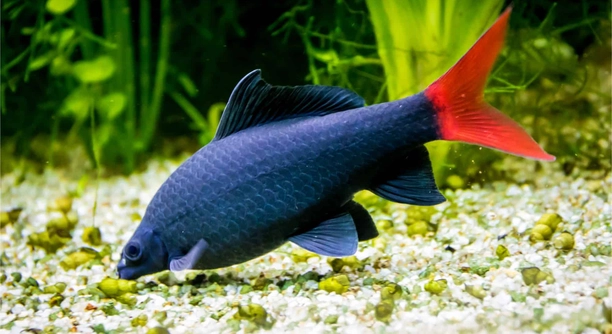
Rainbow sharks are popular aquarium fish known for their vibrant colors and active behavior. Many owners want to make sure their fish receive the best care, especially when it comes to feeding. Improving their feeding routine can help keep them healthy and thriving.
Establishing a consistent feeding schedule and offering a balanced diet are essential for maintaining your rainbow shark’s health. Providing appropriate food types and monitoring feeding habits reduces stress and supports their natural behavior in a controlled environment.
These tips will help you create a better feeding routine that suits your fish’s needs and promotes long-term well-being in your aquarium.
Establish a Consistent Feeding Schedule
Feeding your rainbow shark at the same times every day helps create a routine that reduces stress for the fish. Most rainbow sharks do well with two feedings per day, spaced about 8 to 12 hours apart. Overfeeding can cause water quality issues, so it’s important to give only the amount they can eat within a few minutes. Using a timer or reminder can help keep your feeding consistent even on busy days. Consistency also supports their natural activity patterns and helps prevent aggression caused by competition for food. Monitoring their feeding habits regularly lets you adjust portions and feeding times based on their behavior and tank conditions. Keeping uneaten food to a minimum will maintain water cleanliness and reduce the risk of illness. A steady schedule improves the overall health of your rainbow shark and contributes to a balanced aquarium ecosystem.
Feeding twice daily with measured portions keeps your rainbow shark healthy and reduces waste, supporting tank water quality.
A consistent feeding schedule provides stability and meets the nutritional needs of your rainbow shark. Regular feedings reduce stress and promote normal activity. Overfeeding or irregular feeding can cause water pollution and health problems. Adjust feeding amounts depending on your fish’s appetite and tank size. Using measured portions ensures no excess food remains to decay. Monitoring the feeding process helps you identify any changes in behavior or appetite early. This method creates a healthier environment and supports the fish’s well-being over time.
Provide a Balanced Diet
A varied diet is important for your rainbow shark’s health. They are omnivores and require a mix of proteins, vegetables, and occasional live or frozen foods. Commercial sinking pellets or wafers made for bottom feeders are ideal since rainbow sharks feed mostly at the tank bottom. Supplementing with blanched vegetables like zucchini or spinach adds fiber and essential vitamins. Including live or frozen foods such as bloodworms or brine shrimp boosts protein intake and stimulates natural hunting behavior. Avoid over-relying on one food type, which can lead to nutritional deficiencies. Rotating different food options keeps meals interesting and nutritionally complete. Feeding a balanced diet promotes vibrant coloration, good growth, and disease resistance. Remember to remove any uneaten food to maintain clean water and prevent health issues.
Rainbow sharks need a variety of foods including pellets, vegetables, and occasional protein-rich treats for balanced nutrition.
Feeding a balanced diet ensures your rainbow shark receives essential nutrients for optimal health. Commercial sinking pellets provide a good foundation as they are designed for bottom feeders. Adding fresh vegetables like zucchini or spinach supplies fiber and vitamins not found in pellets. Protein sources such as bloodworms or brine shrimp can be given occasionally to enrich the diet and encourage natural feeding instincts. A diverse diet helps maintain their bright colors and supports a strong immune system. Rotate foods regularly to avoid monotony and nutritional gaps. Keeping uneaten food out of the tank reduces water pollution and keeps your fish healthier. This approach supports your rainbow shark’s vitality and longevity.
Avoid Overfeeding
Overfeeding can harm your rainbow shark by causing obesity and poor water quality. Feed only what your fish can finish in a few minutes to prevent leftover food from polluting the tank.
Excess food decomposes quickly and increases ammonia levels, which stress fish and encourage harmful bacteria growth. This can lead to diseases and shorten your fish’s lifespan. Observing how much your rainbow shark eats allows you to adjust feeding amounts accurately. Feeding smaller portions multiple times a day is better than a large meal once. Using a feeding ring or target feeding can help control where the food goes and reduce waste. Avoid feeding too often, as this disrupts the tank’s balance and causes health problems. Overfeeding also makes your fish less active and can lead to digestive issues.
Controlling feeding quantity supports stable water conditions and prevents health complications caused by excess nutrients. Maintaining proper feeding habits is essential for your fish’s well-being.
Monitor Your Fish’s Behavior
Changes in your rainbow shark’s behavior can signal feeding or health issues. Watch for signs such as decreased appetite, lethargy, or aggression during feeding times.
If your fish suddenly refuses food, it may be stressed or ill. Aggressive behavior at feeding may mean competition or overcrowding. Lethargy can indicate poor water quality or nutritional problems. Regularly observing how your rainbow shark behaves before and after feeding helps you catch issues early. Note if they are eating normally or if other tank mates are interfering. Healthy fish are usually active and alert during feeding. If you see changes, test water parameters and review the feeding routine. Sometimes adjusting food types or feeding times can improve behavior. Monitoring behavior is a simple way to maintain your fish’s health and feeding success.
Paying attention to your fish’s actions during feeding helps identify problems quickly and keeps your aquarium balanced. Adjusting feeding habits based on behavior supports your rainbow shark’s well-being.
Use Quality Food
Feeding high-quality food ensures your rainbow shark gets the necessary nutrients. Avoid cheap flakes that can lack essential vitamins and minerals.
Good-quality pellets or wafers made for bottom feeders are more nutritious and less likely to cloud the water. These foods support healthy growth and vibrant colors.
Keep the Tank Clean
Regularly cleaning the tank removes uneaten food and waste that can pollute the water. This helps prevent diseases and keeps your rainbow shark healthy.
Observe Feeding Time
Watching how long your rainbow shark takes to eat helps you adjust the amount of food. Quick feeding usually means the portion is right.
FAQ
How often should I feed my rainbow shark?
Feeding your rainbow shark twice a day is usually enough. Space the feedings about 8 to 12 hours apart to keep their metabolism steady. Overfeeding can cause health problems and pollute the water, so stick to small portions that your fish can finish in a few minutes.
What type of food is best for rainbow sharks?
Sinking pellets or wafers designed for bottom feeders are the best choice. These provide balanced nutrition and are easy for the fish to find. You can also offer fresh vegetables like zucchini or spinach occasionally. Adding live or frozen foods like bloodworms can boost protein intake and encourage natural hunting behavior.
Can I feed my rainbow shark flakes?
Flakes are not ideal because rainbow sharks prefer food that sinks to the bottom. Flakes tend to float and can create mess, which leads to water quality issues. If you do use flakes, make sure they are high quality and feed in small amounts to avoid leftovers.
What happens if I overfeed my fish?
Overfeeding causes leftover food to decay, increasing harmful ammonia and nitrite levels. This can stress or even poison your fish. It also encourages algae growth and can make the tank dirty. Overfed rainbow sharks may become overweight and develop digestive problems.
How can I tell if my rainbow shark is not eating enough?
If your fish seems lethargic, loses color, or is smaller than usual, it might be underfed. However, these symptoms can also indicate illness or poor water conditions. Monitoring their behavior and tank environment will help you decide if you need to adjust feeding.
Is it okay to feed live food every day?
Feeding live food every day is not recommended because it can cause nutritional imbalance. Live foods are great for variety and protein, but they should be given only occasionally. A diet focused on pellets and supplemented with vegetables is better for long-term health.
Should I remove uneaten food after feeding?
Yes, removing uneaten food helps keep the tank clean and reduces the risk of water pollution. Use a small net or siphon to remove leftover food a few minutes after feeding. This simple step prevents buildup of waste that harms your fish.
How do I know if my fish is stressed during feeding?
Signs of stress include hiding, refusing food, or acting aggressive. Aggression during feeding might happen if there are too many fish competing for food. Stress often means the feeding routine or tank conditions need adjusting.
Can feeding times affect my rainbow shark’s behavior?
Yes, consistent feeding times create a routine that reduces stress and aggression. If feeding is irregular, fish may become anxious or fight over food. Sticking to a schedule supports natural behaviors and a calmer tank environment.
What should I do if my rainbow shark refuses to eat?
First, check the water quality and tank conditions. Poor water often causes loss of appetite. Also, try changing the type of food or feeding time. If refusal continues, it might be a sign of illness, and consulting a vet or fish expert is recommended.
Are there any foods to avoid feeding my rainbow shark?
Avoid feeding only flakes or foods that float, as they won’t reach the bottom where rainbow sharks feed. Also, do not feed human food or processed snacks, which can harm your fish. Stay away from foods high in fat or artificial additives.
How important is variety in my rainbow shark’s diet?
Variety is important to provide all necessary nutrients and keep your fish interested in food. Rotating between pellets, vegetables, and occasional protein treats supports health and natural feeding habits. A varied diet reduces the risk of deficiencies and boredom.
Can I feed my rainbow shark at night?
Rainbow sharks are mostly active during the day, so feeding at night is usually not necessary. Feeding during daylight hours matches their natural habits and ensures they find and eat the food quickly. Feeding at night may cause leftover food to spoil.
What is the best way to introduce new food to my rainbow shark?
Introduce new food gradually by mixing it with their regular diet. Start with small amounts to see how your fish reacts and adjust if they accept it well. This approach avoids sudden changes that can stress the fish or cause digestive problems.
How do I handle aggressive behavior during feeding?
Aggression may be reduced by providing enough hiding spots and space in the tank. Feeding smaller amounts in several locations can help reduce competition. Avoid overcrowding the tank, as this increases stress and fighting during feeding times.
Final Thoughts
Taking care of your rainbow shark’s feeding routine is important for its health and happiness. Establishing a consistent schedule and offering the right amount of food helps prevent stress and keeps the tank environment stable. Feeding twice a day with measured portions is usually enough to meet their needs. Overfeeding can lead to water quality problems and health issues, so it is best to feed only what your fish can eat within a few minutes. Regular observation of your fish’s eating habits will help you adjust portions and feeding times if needed. A steady routine supports their natural behavior and encourages activity.
Providing a balanced diet is key to keeping your rainbow shark vibrant and strong. Using high-quality sinking pellets or wafers designed for bottom feeders forms a solid foundation. Supplementing their diet with fresh vegetables and occasional live or frozen foods supplies essential nutrients that pellets alone might lack. Variety helps prevent nutritional gaps and keeps your fish interested in their food. Avoid relying on a single food type or feeding only flakes, as these can affect your fish’s health negatively. Keeping uneaten food removed from the tank maintains cleanliness and reduces the risk of disease. A well-rounded diet not only improves coloration but also supports long-term wellbeing.
Paying attention to your rainbow shark’s behavior during feeding times is also important. Changes in appetite, activity, or aggression can indicate issues with feeding or water quality. Watching how long your fish takes to eat and how it behaves around other tank mates gives clues about their health. If problems arise, checking water parameters and adjusting the feeding routine can help. Keeping the tank clean and avoiding overfeeding are simple ways to maintain a healthy environment. By following these guidelines, you can help ensure your rainbow shark remains healthy and thrives in your aquarium.

Hello,
If you enjoy the content that we create, please consider saying a "Thank You!" by leaving a tip.
Every little bit helps us continue crafting quality advice that supports the health, happiness, and well-being of pets around the world, for pets of all shapes, sizes, and species.
We really appreciate the kindness and support that you show us!