
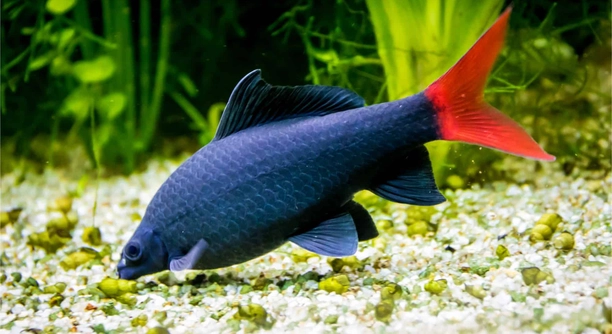
Many aquarium owners enjoy keeping rainbow shark tanks because of their vibrant colors and active nature. These fish need proper care to stay healthy and live longer. Understanding their needs helps create a balanced and thriving environment.
Maintaining the health of your rainbow shark tank involves managing water quality, providing a balanced diet, ensuring adequate tank space, and reducing stressors. Consistent monitoring and regular maintenance are crucial to prevent common diseases and promote the fish’s well-being.
This article covers practical tips to improve your rainbow shark’s health and create a better home for them. Taking simple steps can make a big difference in your tank’s overall condition.
Keep the Water Clean and Well-Filtered
Maintaining clean water is essential for the health of your rainbow shark. These fish produce waste that can quickly pollute the tank, leading to harmful conditions. A good filtration system helps remove toxins and debris, keeping the water clear and safe. It’s important to choose a filter appropriate for your tank size to ensure effective cleaning. Regular water changes are also necessary, usually about 20-30% every week or two. This prevents the buildup of nitrates and other chemicals that stress the fish. Testing water parameters like pH, ammonia, nitrite, and nitrate levels can help you catch any problems early. Rainbow sharks thrive in slightly acidic to neutral water, with a pH around 6.5 to 7.5. Proper aeration is important too, since oxygen levels affect their health and activity. Paying attention to these details will keep your tank environment stable and your fish healthy.
Regular water changes and monitoring are key to preventing issues. Consistency in tank maintenance protects your rainbow shark from stress and illness.
By keeping water clean and stable, you reduce the risk of disease and improve your fish’s quality of life. Clean water supports strong immune systems and encourages natural behavior. Even if you have a busy schedule, setting a simple routine for water changes and filter checks can make a big difference. Avoid overcrowding the tank, as this can increase waste and lower water quality. Proper filtration paired with consistent maintenance will keep your rainbow shark active and vibrant. Clean water conditions are the foundation of a healthy aquarium, and once established, they make caring for your fish much easier.
Provide a Balanced and Nutritious Diet
Feeding your rainbow shark a varied diet is important for its growth and energy. They are omnivores and need both plant matter and protein. A mix of high-quality flakes, pellets, and live or frozen foods like bloodworms or brine shrimp works well. Avoid overfeeding, as excess food can pollute the water and cause health problems. Feeding small amounts once or twice a day is enough to meet their needs.
A balanced diet supports strong immune function and vibrant coloration in your rainbow shark.
Including fresh vegetables like zucchini or cucumber slices can provide extra nutrients. Occasionally, offering algae wafers will mimic their natural grazing habits. It’s important to observe their eating habits to adjust portions and food types accordingly. If your fish rejects certain foods, try alternatives without causing sudden diet changes. Healthy feeding practices help your rainbow shark maintain energy and resist diseases. Always remove uneaten food to prevent water contamination. Proper nutrition is one of the simplest ways to keep your rainbow shark lively and healthy over time.
Provide Enough Space in the Tank
Rainbow sharks need plenty of room to swim and explore. Overcrowding can cause stress and aggression. A tank of at least 30 gallons is recommended for one fish.
A spacious tank allows your rainbow shark to establish territory and reduces conflicts with other fish. These sharks are active swimmers and appreciate open areas with hiding spots. Adding decorations like rocks and plants helps create natural boundaries, preventing constant chasing. When space is limited, fish can become aggressive or stressed, which harms their health. Ensuring enough room supports their natural behavior and overall well-being.
If you plan to keep multiple rainbow sharks or other fish species, increase tank size accordingly. This reduces territorial disputes and promotes a peaceful environment. Remember that water quality is easier to maintain in larger tanks due to dilution of waste. Proper tank size combined with good filtration will make caring for your rainbow shark much easier. Your fish will show more natural activity and color vibrancy with sufficient space to thrive.
Monitor and Reduce Stress Factors
Stress weakens your rainbow shark’s immune system and can lead to illness. Avoid sudden changes in water temperature or environment. Keep noise and vibrations near the tank low.
Consistent water parameters and a stable environment help reduce stress for your rainbow shark. Sudden loud noises or frequent tapping on the glass can startle them, causing fear or aggression. Avoid placing the tank near busy areas or direct sunlight, which can increase temperature fluctuations. Introducing new tank mates gradually and watching for signs of bullying will protect your fish from stress. Maintaining a calm and stable tank environment supports better health and longer lifespan for your rainbow shark.
Maintain Proper Tank Temperature
Rainbow sharks prefer water temperatures between 74°F and 80°F. Keeping the temperature steady is important for their health. Sudden drops or spikes can cause stress and illness.
Using a reliable heater and thermometer helps maintain a stable environment. Regularly check the temperature to avoid fluctuations.
Avoid Overcrowding the Tank
Overcrowding leads to poor water quality and increased aggression. Too many fish in one tank stress your rainbow shark, making it harder to stay healthy. Ensure enough space for all inhabitants to move freely and establish territories.
Provide Hiding Spots
Rainbow sharks feel safer with places to hide. Adding caves, plants, or decorations helps them reduce stress. These hiding spots mimic their natural environment and allow rest away from bright light or active tank mates.
Regularly Observe Your Fish
Watch your rainbow shark daily for changes in behavior or appearance. Early signs of illness include loss of appetite, color fading, or unusual swimming patterns. Detecting problems early increases chances of successful treatment and recovery.
FAQ
How often should I change the water in my rainbow shark tank?
Changing about 20-30% of the water every one to two weeks is ideal. Regular water changes help keep nitrate levels low and maintain good water quality. Avoid changing too much water at once, as it can stress the fish by causing sudden shifts in water chemistry.
What is the best diet for a rainbow shark?
Rainbow sharks are omnivores and need a balanced diet of pellets, flakes, and occasional live or frozen foods like bloodworms or brine shrimp. Supplement their diet with fresh vegetables such as zucchini or cucumber slices to provide extra nutrients.
Can rainbow sharks live with other fish?
Yes, but tank mates should be chosen carefully. Rainbow sharks can be territorial and aggressive toward similar-looking fish. Avoid keeping more than one rainbow shark in a small tank, and select peaceful, fast-swimming fish that occupy different areas of the tank.
What water parameters are best for rainbow sharks?
Maintain a pH between 6.5 and 7.5 and water temperature around 74°F to 80°F. Keep ammonia and nitrite levels at zero, and nitrate below 20 ppm. Stable water conditions are key to avoiding stress and disease.
Why is my rainbow shark hiding all the time?
Hiding can indicate stress, illness, or poor water conditions. It’s normal for rainbow sharks to use hiding spots occasionally, but if your fish is constantly hiding, check water quality, tank mates, and feeding habits.
How can I tell if my rainbow shark is sick?
Signs of illness include loss of appetite, faded color, clamped fins, unusual swimming patterns, and visible spots or lesions. Early detection and treatment are important to prevent worsening conditions.
Is it necessary to have a filter in the tank?
Yes, a good filtration system is essential. It removes harmful waste and toxins, maintaining a clean environment. Filters also help circulate oxygen, which rainbow sharks need to stay healthy.
How big should my tank be for a rainbow shark?
A minimum of 30 gallons is recommended for one rainbow shark. Larger tanks are needed if you keep more fish or other species to reduce aggression and maintain good water quality.
Can rainbow sharks live without plants?
They can, but plants provide hiding spots and help improve water quality by absorbing nitrates. Live or artificial plants make the tank more natural and comfortable for the fish.
What should I do if my rainbow shark becomes aggressive?
Aggression often comes from territorial behavior or stress. Ensure the tank is large enough and has plenty of hiding spots. If aggression persists, consider separating the fish or changing tank mates.
How often should I feed my rainbow shark?
Feeding once or twice a day in small amounts is sufficient. Overfeeding leads to poor water quality and health issues. Remove any uneaten food after a few minutes to prevent decay.
Can rainbow sharks jump out of the tank?
Yes, they can jump if stressed or startled. Use a secure lid to prevent escapes and protect your fish.
Do rainbow sharks need special lighting?
They don’t require special lighting, but moderate lighting that supports any live plants is ideal. Avoid bright or direct sunlight to prevent algae growth and stress.
What is the lifespan of a rainbow shark?
With proper care, rainbow sharks can live 5 to 8 years. Good water quality, diet, and environment all contribute to their longevity.
How do I introduce a new fish to the tank?
Quarantine new fish for at least two weeks before adding them. Introduce them slowly and monitor interactions closely to avoid stress and aggression.
Are rainbow sharks sensitive to changes in water?
Yes, they prefer stable water conditions. Sudden changes in temperature, pH, or chemistry can cause stress or illness. Make changes gradually to avoid harming your fish.
Can I keep more than one rainbow shark in the same tank?
Only if the tank is very large, ideally over 75 gallons. In smaller tanks, they will compete aggressively for territory. Monitor their behavior closely if you try keeping more than one.
What common diseases affect rainbow sharks?
Common issues include fin rot, ich, and bacterial infections. Poor water quality and stress are main factors. Maintaining clean water and a stable environment helps prevent these problems.
How do I clean the tank without stressing the fish?
Perform partial water changes, clean the substrate gently, and avoid disturbing decorations too much. Keep the process quick and calm to reduce stress. Use water conditioners when refilling to remove chlorine or chloramine.
Can rainbow sharks live with shrimp or snails?
Generally, they may eat small shrimp, but snails can be safe tank mates. If you want shrimp, choose larger or faster species and provide plenty of hiding places. Monitor interactions carefully.
This FAQ should help address common concerns and guide you in providing the best care for your rainbow shark. Proper maintenance and attention to your fish’s needs are key to keeping them healthy and happy.
Caring for a rainbow shark requires attention to several important factors that help keep your fish healthy and active. Maintaining clean, well-filtered water is the foundation of good care. Regular water changes and monitoring water quality prevent harmful toxins from building up. Proper diet is also key; providing a mix of nutritious flakes, pellets, and occasional live or frozen foods ensures your rainbow shark gets the energy and nutrients it needs. Along with food, having enough space in the tank helps reduce stress and allows your fish to swim freely. Stress can weaken their immune system, so avoiding overcrowding and providing hiding spots makes a big difference.
Temperature and stable water conditions play a major role in your fish’s well-being. Rainbow sharks thrive in water between 74°F and 80°F with a neutral pH. Sudden changes in temperature or water chemistry can cause illness or behavioral issues. It is important to use a reliable heater and regularly check water parameters to keep conditions steady. Stress can also come from environmental factors such as noise, vibrations, or aggressive tank mates. Creating a calm and peaceful environment supports your rainbow shark’s health and helps prevent disease.
Observing your fish daily allows you to catch any health problems early. Changes in behavior, appetite, or appearance may signal issues that need attention. By providing good water quality, a balanced diet, enough space, and a stress-free environment, you help your rainbow shark live a longer, happier life. Following these basic care steps may seem simple, but they have a big impact. Taking time to understand your fish’s needs and acting on them will improve your experience and the well-being of your rainbow shark. With patience and consistency, you can enjoy a vibrant and healthy aquarium.

Hello,
If you enjoy the content that we create, please consider saying a "Thank You!" by leaving a tip.
Every little bit helps us continue crafting quality advice that supports the health, happiness, and well-being of pets around the world, for pets of all shapes, sizes, and species.
We really appreciate the kindness and support that you show us!