
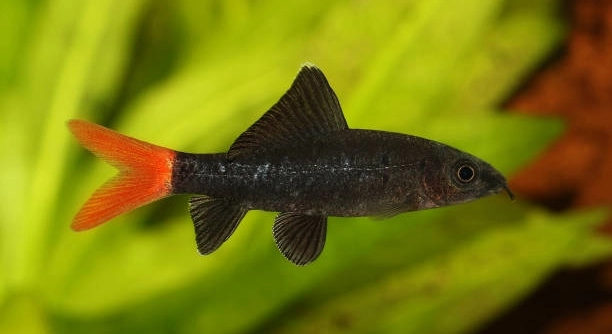
Rainbow sharks are popular aquarium fish known for their vibrant colors and active behavior. However, their interactions with other fish can sometimes be challenging. Ensuring harmony in a shared tank requires careful attention to their needs and environment.
Maintaining harmony between rainbow sharks and other fish involves providing ample space, appropriate hiding spots, and compatible tank mates. Regular monitoring of behavior and maintaining good water quality are essential to reduce aggression and stress, promoting a balanced community aquarium.
Understanding these key factors can help create a peaceful environment. This article will offer practical ways to support your rainbow shark’s well-being alongside other fish.
Providing Enough Space for Your Rainbow Shark
Rainbow sharks are territorial fish that need plenty of room to swim and establish their own space. A tank of at least 55 gallons is recommended to accommodate their active nature. Crowded tanks often lead to stress and aggression, which can disrupt harmony with other fish. Make sure the aquarium has open swimming areas as well as places to retreat. This balance helps reduce conflicts and allows your rainbow shark to behave naturally. Proper space also supports the health of all tank inhabitants by ensuring stable water conditions. Regularly check tank size as your fish grow and adjust accordingly. A larger tank provides room for decorations and plants without overcrowding, which benefits all species in the aquarium. This setup encourages peaceful coexistence and lowers the risk of territorial disputes.
Providing enough space is fundamental to creating a calm environment where rainbow sharks can live alongside other fish comfortably.
Avoiding overcrowding is key to managing aggression and maintaining healthy fish interactions in your aquarium.
Choosing Compatible Tank Mates
Selecting tank mates that coexist well with rainbow sharks is important for harmony. Avoid slow-moving or very small fish, as they may become targets of aggression. Ideal companions are similarly sized, fast swimmers that can hold their own. Species such as danios, barbs, and larger tetras often work well. It’s also helpful to introduce all fish to the tank around the same time, reducing territorial behavior. Monitor fish interactions regularly to catch any signs of stress early. Compatibility goes beyond temperament; consider water parameter needs and feeding habits too. Mismatched species can lead to competition and stress, which should be avoided. When unsure, research or consult experts to ensure all fish thrive together. Careful selection helps build a balanced community that benefits everyone in the tank.
Tank mate compatibility is a key factor in preventing conflicts and supporting a peaceful aquarium environment.
Properly chosen species help maintain balance and reduce stress caused by territorial disputes.
Creating Hiding Spots and Territory Boundaries
Hiding spots are essential for reducing stress and preventing aggression. Provide caves, plants, and decorations to break up open spaces and give fish places to retreat. These areas help rainbow sharks feel secure and reduce their need to defend territory aggressively.
Offering a variety of hiding places helps diffuse potential conflicts by giving each fish its own space. Natural decorations like driftwood and rock formations work well. Live or artificial plants also create visual barriers that make it harder for fish to spot each other constantly, which lowers tension. Position hiding spots at different tank levels to accommodate all fish preferences and encourage exploration without confrontation. Regularly rearranging décor can disrupt established territories, preventing long-term dominance by one fish.
When territory boundaries are clear, rainbow sharks and other fish are less likely to compete aggressively. Maintaining these spaces supports a calm and balanced aquarium atmosphere.
Maintaining Good Water Quality
Consistently clean water is crucial for keeping rainbow sharks healthy and peaceful. Poor water quality can stress fish, leading to increased aggression and disease. Regular water changes and proper filtration help maintain a stable environment.
Testing water parameters such as ammonia, nitrites, and nitrates frequently is important to catch any issues early. Keeping the pH between 6.5 and 7.5 and the temperature around 74–80°F creates optimal conditions for rainbow sharks and most community fish. Avoid overfeeding, as leftover food can pollute the water. A well-maintained tank reduces stress-induced fighting and supports immune health.
A clean, stable environment promotes harmony by minimizing external factors that can cause tension. Attention to water quality is a simple yet effective way to support your aquarium’s balance.
Feeding Your Rainbow Shark Properly
Feeding your rainbow shark the right diet helps keep it healthy and calm. Provide a balanced mix of pellets, flakes, and occasional live or frozen foods. Avoid overfeeding, which can cause water issues and stress fish.
Consistent feeding times and amounts prevent competition and aggression. Healthy fish are less likely to cause problems in the tank.
Monitoring Behavior Regularly
Observe your rainbow shark and tank mates daily to detect signs of aggression or stress early. Early action can prevent serious conflicts or injuries.
Consistent monitoring helps maintain a peaceful aquarium by addressing issues before they escalate.
Keeping the Tank Clean
Regular cleaning removes waste and prevents toxins from building up. This supports fish health and reduces stress.
A clean tank environment encourages calm behavior and harmony among fish.
FAQ
How aggressive are rainbow sharks towards other fish?
Rainbow sharks can be moderately aggressive, especially when they feel their territory is threatened. They may chase or nip at other fish, particularly those that are slow-moving or smaller. However, with enough space, hiding spots, and compatible tank mates, their aggression can be managed effectively.
What size tank is best for rainbow sharks?
A minimum of 55 gallons is recommended for a single rainbow shark. This size allows enough swimming space and reduces territorial disputes. Larger tanks provide even better conditions for peaceful coexistence among multiple fish species.
Can rainbow sharks live with other aggressive fish?
It is best to avoid housing rainbow sharks with highly aggressive fish. Aggressive species can provoke fights and stress. Instead, choose similarly sized, semi-aggressive or peaceful fish that won’t compete aggressively for territory.
What kind of tank mates are suitable for rainbow sharks?
Good tank mates include barbs, danios, larger tetras, and some catfish species. These fish are usually fast swimmers and can hold their own without being bullied. Avoid slow or very small fish that might become targets.
How often should I feed my rainbow shark?
Feed your rainbow shark once or twice a day with a balanced diet of pellets or flakes, supplemented occasionally with live or frozen foods like bloodworms or brine shrimp. Avoid overfeeding to prevent water pollution.
How can I tell if my rainbow shark is stressed?
Signs of stress include hiding excessively, loss of color, erratic swimming, or frequent chasing by other fish. Stress often results from poor water quality, overcrowding, or incompatible tank mates.
What water conditions do rainbow sharks need?
Rainbow sharks thrive in water with a pH between 6.5 and 7.5 and a temperature of 74–80°F (23–27°C). Stable conditions with low ammonia and nitrate levels are essential for their health and behavior.
How important are hiding spots for rainbow sharks?
Hiding spots are very important as they provide refuge and reduce territorial aggression. They also help other fish avoid conflicts by breaking line of sight and creating boundaries within the tank.
Should I keep more than one rainbow shark together?
Keeping multiple rainbow sharks in the same tank can increase aggression unless the tank is very large with plenty of space and hiding spots. If you do keep more than one, monitor closely for signs of fighting.
What can I do if my rainbow shark is bullying other fish?
If bullying occurs, try rearranging the tank décor to disrupt territories and add more hiding places. Reducing the number of fish or changing tank mates might be necessary. Ensuring proper feeding and water quality also helps reduce aggression.
How often should I clean the tank?
Perform partial water changes of 20-30% weekly or biweekly depending on tank size and bioload. Regular cleaning of the substrate and filters helps maintain water quality and reduces stress on fish.
Can rainbow sharks tolerate different lighting conditions?
Rainbow sharks do well under moderate lighting. Bright or intense lighting can stress them, especially if hiding spots are limited. Providing shaded areas or plants helps them feel secure.
Is it normal for rainbow sharks to be more active at night?
Rainbow sharks are often more active during dusk and dawn. Some increased activity at night is natural, but they should remain visible and healthy during the day.
What are signs of illness in rainbow sharks?
Look for faded colors, clamped fins, lethargy, white spots, or abnormal swimming patterns. These symptoms may indicate infections or parasites and require prompt treatment.
Can rainbow sharks live with bottom dwellers like Corydoras?
Yes, rainbow sharks generally coexist well with peaceful bottom dwellers like Corydoras catfish. They occupy different tank zones, which reduces territorial conflicts.
How can I reduce stress during tank maintenance?
Avoid sudden changes in water temperature or quality, use gentle cleaning methods, and limit handling. Keep the environment stable and provide hiding spots where fish can retreat during maintenance.
Creating a peaceful aquarium where your rainbow shark lives in harmony with other fish requires attention to several key factors. Providing enough space is essential, as overcrowded tanks lead to stress and aggression. Ensuring your tank is large enough allows each fish to establish its own territory without feeling threatened. Along with space, adding hiding spots and decorations helps break up the environment, giving fish places to retreat when they feel stressed or need to avoid conflict. These simple steps can make a big difference in reducing tension and encouraging calm behavior.
Choosing the right tank mates is another important part of maintaining harmony. Rainbow sharks do best with fish that are similar in size and temperament. Fast-swimming, semi-aggressive species tend to coexist well, while slow or very small fish may become targets of aggression. Monitoring behavior regularly helps you notice any signs of stress or bullying early, so you can take action before problems escalate. Maintaining good water quality is also critical. Clean, stable water keeps all fish healthy and less likely to act aggressively due to stress or illness. Regular water changes, proper filtration, and careful feeding routines support a balanced environment.
When these conditions are met, your rainbow shark can thrive alongside other fish peacefully. It takes some effort and observation, but creating a balanced aquarium benefits all its inhabitants. Each tank is unique, so adjustments may be necessary over time to meet the needs of your fish. By focusing on space, hiding spots, compatible tank mates, and water quality, you help ensure your rainbow shark lives comfortably and peacefully in its community. This creates a more enjoyable aquarium experience and promotes the long-term health of all your fish.

Hello,
If you enjoy the content that we create, please consider saying a "Thank You!" by leaving a tip.
Every little bit helps us continue crafting quality advice that supports the health, happiness, and well-being of pets around the world, for pets of all shapes, sizes, and species.
We really appreciate the kindness and support that you show us!