
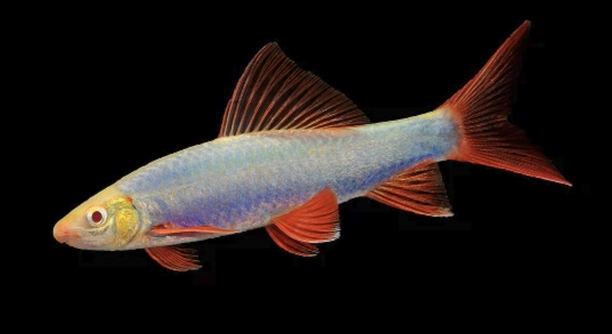
Rainbow sharks are popular freshwater fish known for their striking colors and active behavior. Keeping their tank water clean is essential to maintain their health and vibrant appearance. Proper water quality supports their well-being and reduces stress.
Maintaining rainbow shark tank water quality involves regular water changes, efficient filtration, and careful monitoring of parameters such as pH, ammonia, nitrite, and nitrate levels. Consistent maintenance helps prevent disease and ensures a stable environment suitable for these fish.
Good water quality is the foundation of a healthy aquarium. The tips ahead will help you create the best living conditions for your rainbow sharks.
Regular Water Changes Are Essential
Changing the water in your rainbow shark tank frequently is one of the most important steps to maintain water quality. I usually replace about 20-30% of the tank water every week to keep the environment fresh. This helps remove harmful toxins like ammonia and nitrate that build up over time. When water sits too long, it can stress the fish and lead to health problems. Using a siphon makes cleaning easier by removing debris from the gravel without disturbing the fish too much. Always treat tap water with a conditioner before adding it back to the tank to remove chlorine and chloramines. Keeping a consistent schedule for water changes creates a stable environment that supports your rainbow sharks’ vibrant colors and active behavior.
Regular water changes help maintain chemical balance and reduce waste accumulation. This practice keeps fish healthy and the tank environment stable.
When changing water, avoid removing too much at once to prevent shocking the fish. Keep the temperature of the new water close to the tank’s temperature to avoid stress. Using a gravel vacuum during water changes removes leftover food and waste that can pollute the water. Consistency in water changes is key to preventing sudden changes in water quality that could harm your rainbow sharks.
Efficient Filtration Supports Healthy Water
A good filtration system is critical for maintaining clean water in a rainbow shark tank. Filters remove physical debris, harmful chemicals, and waste products from the water. I recommend using a filter that provides mechanical, biological, and chemical filtration for the best results. Mechanical filtration traps visible particles, while biological filtration supports beneficial bacteria that break down toxic ammonia and nitrite. Chemical filtration removes impurities through activated carbon or other media. Choosing the right filter size is important; it should be able to handle at least four times the tank’s volume per hour. Proper maintenance of the filter, including cleaning or replacing media regularly, ensures it continues to work efficiently. A well-maintained filter creates a safe, balanced habitat for your rainbow sharks.
Filters keep the tank clean and water healthy by cycling and purifying contaminants continuously.
It’s important not to clean all filter media at once to preserve beneficial bacteria colonies. Rinsing media in tank water instead of tap water helps avoid killing these bacteria. Monitoring filter flow rate ensures it’s not too strong or weak for your fish. Proper filtration paired with regular water changes maintains excellent water quality in your aquarium.
Monitor Water Parameters Regularly
Checking water parameters is vital for keeping your rainbow shark healthy. I test pH, ammonia, nitrite, and nitrate levels weekly to ensure they stay within safe ranges. Consistent monitoring helps catch problems early before they affect the fish.
pH should be stable, ideally between 6.5 and 7.5 for rainbow sharks. Ammonia and nitrite must always be at zero, as even small amounts can harm your fish. Nitrate should stay below 20 ppm, since higher levels cause stress and disease. Testing kits are affordable and easy to use, making this task manageable. Keeping a log of your test results helps track trends and alerts you to any changes needing attention. Acting quickly when parameters shift will protect your fish and maintain tank stability.
If you notice unusual behavior or discoloration, test the water immediately. Addressing poor water quality by adjusting filtration or increasing water changes can prevent serious issues. Regular testing is a small effort with great benefits for your tank’s long-term health.
Avoid Overfeeding Your Rainbow Sharks
Overfeeding is a common cause of poor water quality and health problems. I feed my rainbow sharks small amounts once or twice a day, only as much as they can eat within a few minutes. Excess food breaks down and pollutes the water, increasing ammonia and nitrate levels.
Feed a balanced diet with high-quality flakes or pellets designed for omnivorous fish. Occasional treats like bloodworms or brine shrimp add variety but should be given sparingly. Remove any uneaten food quickly to reduce waste buildup. Overfeeding can cause obesity and reduce oxygen levels in the tank, stressing your fish. Managing feeding amounts carefully supports clean water and keeps your rainbow sharks active and healthy.
Maintain Proper Tank Temperature
Rainbow sharks thrive in water temperatures between 74°F and 80°F. I use an aquarium heater to keep the temperature steady and avoid sudden fluctuations. Stable temperature supports their metabolism and immune system.
Temperature swings can stress fish, making them more prone to disease. Regularly checking with a reliable thermometer helps maintain consistent warmth.
Avoid Overstocking the Tank
Overcrowding causes poor water quality and increases stress. Each rainbow shark needs enough space to swim freely without competition. I recommend one fish per 20 gallons to keep conditions healthy.
Crowded tanks lead to faster waste buildup and reduced oxygen. Proper stocking prevents these issues and promotes a balanced environment.
Clean the Tank Regularly
Removing algae and cleaning decorations keeps the tank looking good and reduces harmful bacteria growth. I clean the glass and accessories weekly without disturbing the fish.
Regular cleaning helps maintain a healthy habitat and supports good water quality. It also improves the overall appearance of the aquarium.
FAQ
How often should I test the water in my rainbow shark tank?
Testing water once a week is a good routine to keep track of important parameters like pH, ammonia, nitrite, and nitrate. Frequent checks help catch any changes early so you can take action before your fish get stressed or sick. If you notice any unusual behavior or cloudy water, test more often.
What is the ideal pH level for rainbow sharks?
Rainbow sharks prefer a pH between 6.5 and 7.5. Keeping the pH stable within this range supports their health and natural behavior. Sudden shifts in pH can stress the fish, so avoid rapid changes by performing consistent water changes and monitoring regularly.
Can I keep other fish with rainbow sharks?
Yes, rainbow sharks can coexist with other peaceful species of similar size. Avoid small, slow-moving fish since rainbow sharks can be territorial. Suitable tank mates include barbs, danios, and larger tetras. Always monitor their interactions to prevent aggression.
How much should I feed my rainbow shark?
Feed only what your rainbow shark can eat in two to three minutes, once or twice a day. Overfeeding leads to leftover food that pollutes the water and causes health problems. A varied diet of flakes, pellets, and occasional frozen or live foods is best.
Why does my rainbow shark hide most of the time?
Rainbow sharks are naturally shy and often hide, especially during the day. They prefer low light and places to retreat. If hiding increases suddenly, check water quality and tank conditions for stress factors like poor water or aggressive tank mates.
What signs indicate poor water quality?
Signs include cloudy water, fish gasping at the surface, sluggishness, loss of appetite, and faded colors. Testing the water will usually reveal high ammonia, nitrite, or nitrate levels. Prompt water changes and filtration maintenance are necessary to correct the issue.
How often should I clean my filter?
Clean your filter media every 3 to 4 weeks but avoid cleaning all parts at once. Rinse media gently in tank water to preserve beneficial bacteria. Overcleaning or using tap water can harm these bacteria, reducing the filter’s effectiveness.
Can I use tap water for my tank?
Tap water must be treated with a water conditioner to remove chlorine and chloramines before adding it to the tank. Untreated tap water is harmful to fish. Conditioners are widely available and easy to use, ensuring safe water for your rainbow sharks.
What temperature is best for rainbow sharks?
Keep the tank temperature between 74°F and 80°F. Use a reliable heater and thermometer to maintain stable conditions. Sudden drops or spikes in temperature can stress your fish and make them more vulnerable to illness.
How big should my tank be for rainbow sharks?
A minimum tank size of 40 gallons is recommended for one rainbow shark. They are active swimmers and need enough space to avoid territorial disputes. Larger tanks allow you to keep more fish comfortably with less water quality issues.
Why are my rainbow sharks fighting?
Rainbow sharks can be territorial, especially in small or overcrowded tanks. Providing plenty of hiding spots and sufficient space reduces aggression. Avoid keeping multiple rainbow sharks in the same tank unless it’s very large and well-structured.
Is it normal for rainbow sharks to jump out of the tank?
Rainbow sharks may jump if startled or stressed. Always use a secure lid to prevent escapes. Maintain good water quality and stable conditions to reduce stress that might cause jumping behavior.
How do I treat common diseases in rainbow sharks?
Poor water quality often causes illness. Improve water conditions through changes and filtration. For specific diseases like ich or fin rot, use appropriate medications following package instructions carefully. Quarantining new fish before adding them helps prevent spreading disease.
Can I use natural plants in a rainbow shark tank?
Yes, natural plants improve water quality by absorbing nitrates and provide hiding spots for your fish. Choose hardy plants like Java fern, Anubias, or Vallisneria, which tolerate the tank conditions rainbow sharks prefer.
How can I reduce algae growth in my tank?
Regular water changes, controlling light exposure, and avoiding overfeeding help keep algae under control. Adding algae-eating fish or snails can also assist in managing growth without chemicals.
What should I do if my water tests show high ammonia?
High ammonia is toxic and needs immediate action. Perform a partial water change, check filter function, and reduce feeding. Using an ammonia detoxifier can help, but fixing the underlying cause is essential for long-term health.
These FAQs cover the most common concerns about maintaining water quality and caring for rainbow sharks. Keeping the tank clean, stable, and well-monitored ensures a healthy and vibrant environment for your fish.
Maintaining good water quality in a rainbow shark tank is essential for the health and happiness of your fish. Consistent care, including regular water changes and proper filtration, creates a stable environment that supports their natural behavior and vibrant colors. Paying attention to water parameters like pH, ammonia, nitrite, and nitrate helps prevent common problems that can lead to stress or illness. A well-maintained tank not only benefits the rainbow sharks but also makes your aquarium easier to manage and enjoy.
It is important to avoid overfeeding and overcrowding, as both can quickly deteriorate water quality. Feeding your rainbow sharks only the amount they can eat in a few minutes reduces leftover food that pollutes the tank. Keeping a reasonable number of fish per gallon ensures there is enough space and oxygen for all the inhabitants. Proper tank size and a well-functioning filter work together to cycle out waste and keep water clean. Taking simple steps like these helps maintain balance and reduces the chance of sudden water problems.
Regular monitoring and maintenance are key to long-term success. Testing water frequently gives you valuable information to make adjustments before conditions become harmful. Cleaning the tank and filter on a consistent schedule supports beneficial bacteria that break down toxins naturally. Stable temperature and a suitable environment reduce stress and encourage healthy behavior. By following these basic guidelines, you can enjoy a thriving rainbow shark tank that looks beautiful and provides a good home for your fish. Consistent care and attention make all the difference in maintaining water quality and fish health.

Hello,
If you enjoy the content that we create, please consider saying a "Thank You!" by leaving a tip.
Every little bit helps us continue crafting quality advice that supports the health, happiness, and well-being of pets around the world, for pets of all shapes, sizes, and species.
We really appreciate the kindness and support that you show us!