
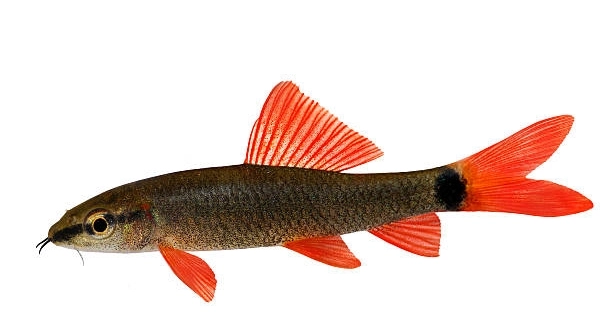
Are your rainbow sharks becoming territorial and chasing other fish in the tank, even when everything seems fine on the surface?
Rainbow shark aggression is often caused by territorial behavior, inadequate tank size, poor tank mate choices, or stress. Addressing these factors through proper aquarium setup, compatible companions, and environmental enrichment can help reduce or prevent aggressive episodes.
Knowing the specific causes can help you create a peaceful environment and keep your rainbow shark healthy and less stressed.
1. Territorial Behavior
Rainbow sharks are naturally territorial. They like having a space that feels like their own, and they’ll often defend it if other fish come too close. In smaller tanks, they feel more confined, which increases the chances of them becoming aggressive. They may chase, nip, or stress out other fish that enter what they see as their space. This behavior is common and not always preventable, but you can help by creating a tank environment that allows the rainbow shark to feel secure without needing to defend itself constantly. Provide caves, plants, and hiding spots that can help separate visual lines and give all fish a place to retreat. Tank layout matters more than many people realize. Avoid housing them with similar-shaped or bottom-dwelling fish, which can trigger aggressive behavior. A longer tank is better than a tall one, as it allows for more horizontal territory. Keep their space defined and clear.
Rainbow sharks often act out when they feel other fish are invading their space. This is usually a sign that their tank setup needs to be adjusted.
Creating a layout with separate zones using plants, rocks, or driftwood can help reduce confrontations. This gives each fish a space where it can feel comfortable and secure.
2. Inadequate Tank Size
Rainbow sharks need room to swim and space to establish their territory. A small tank doesn’t offer enough space for this, which leads to increased aggression. Many new keepers underestimate how much space a single rainbow shark actually needs.
A tank smaller than 50 gallons often creates tension for a rainbow shark. Without enough swimming area and visual separation from other fish, it becomes stressed and more likely to lash out. This issue gets worse if the tank is shared with other bottom-dwellers or semi-aggressive species. A longer tank is key—not just for swimming space but also for dividing up territories. When upgrading or setting up a tank for a rainbow shark, aim for one that is at least 55 gallons. This gives the shark enough room to feel at ease and reduces the chances of it viewing the whole tank as its own territory. It also allows for more aquascaping, which can help create natural barriers and reduce visibility between fish. A proper tank size won’t fix every issue, but it does give your rainbow shark a much better chance of settling in calmly.
3. Poor Tank Mate Choices
Rainbow sharks don’t do well with fish that look similar or live near the bottom of the tank. They may see them as rivals and act aggressively, especially in tight spaces with little room to escape or hide.
Choosing the right tank mates makes a big difference. Avoid other semi-aggressive fish, bottom dwellers like red tail sharks or catfish, and slow swimmers with long fins. These types often trigger aggressive behavior in rainbow sharks. Instead, go for peaceful mid-to-top-level swimmers like barbs, danios, or rasboras. Keep in mind that even peaceful fish can become targets if the tank is too small or lacks enough hiding spots. The key is a balanced environment. Give everyone enough space to avoid each other, and use decorations to create physical and visual barriers. This helps limit the chance of one fish bothering another and reduces aggressive interactions overall.
A rainbow shark’s tolerance depends on its environment and tank mates. Even a generally peaceful shark may lash out if it feels challenged or crowded. Make sure to research each species before adding it to the tank. If aggressive behavior starts after a new fish is introduced, it may be a sign that the match isn’t working. You might need to rehome one.
4. Lack of Hiding Spaces
Without enough hiding spots, rainbow sharks can feel exposed and stressed. They prefer having at least one place where they can retreat and feel safe. A bare tank layout may increase aggression and tension.
Caves, driftwood, dense plants, and rock tunnels are helpful additions to a rainbow shark’s tank. These not only create a more natural environment but also help break up lines of sight and reduce territorial disputes. The more hiding spaces available, the less likely fish are to constantly cross into each other’s paths. It’s also a good idea to position decorations in a way that gives each section of the tank a bit of privacy. This reduces unwanted interactions and gives all fish, not just the rainbow shark, room to relax. Even peaceful fish will benefit from these additions. A well-structured tank lowers stress and makes the whole setup more stable and peaceful overall.
5. Overcrowding
When too many fish are in one tank, space becomes limited. This leads to more encounters and stress, which can cause rainbow sharks to act aggressively. They need room to swim freely without constantly running into other fish.
Overcrowding also affects water quality, which adds to the stress. A stressed shark is more likely to become territorial and lash out. Keep stocking levels low and only add fish that are compatible in both behavior and space needs. A peaceful tank starts with giving each fish enough room to thrive.
6. Stress from Poor Water Conditions
Bad water quality is one of the fastest ways to stress a rainbow shark. Ammonia spikes, low oxygen, or sudden changes in temperature or pH can all affect behavior. Aggression may increase as the fish becomes uncomfortable or tries to protect its territory. Regular water testing is important. Keep ammonia and nitrite at zero, and maintain stable pH and temperature within recommended levels. Perform weekly water changes and avoid overfeeding, which can cause waste to build up. A good filter system also helps maintain water clarity and circulation. Calm fish come from clean, stable environments where they feel healthy and secure.
7. Maturing Behavior
As rainbow sharks grow older, they often become more territorial. Juveniles may seem peaceful, but their behavior can change as they mature. It’s important to plan ahead and adjust the tank accordingly.
How can I tell if my rainbow shark is being aggressive?
Aggressive behavior in rainbow sharks usually shows as chasing, nipping, or constantly chasing other fish. They may also flare their fins and try to block others from certain areas of the tank. If you notice damaged fins or stressed fish hiding often, it can be a sign of aggression. Watch for repeated attacks or bullying, not just occasional chasing.
What tank size is best to reduce aggression?
A minimum of 55 gallons is recommended for a single rainbow shark. Larger tanks give them space to establish territory without feeling crowded. A longer tank is preferred over a tall, narrow one because it offers more horizontal swimming space and helps separate fish visually. More space generally means less stress and less aggressive behavior.
Can I keep more than one rainbow shark in the same tank?
It’s usually not a good idea unless the tank is very large—100 gallons or more—and has plenty of hiding places and decorations to break up territories. Rainbow sharks are territorial by nature and often see each other as competitors. Housing multiple sharks in a small tank almost always leads to fights.
What are the best tank mates for a rainbow shark?
Peaceful mid-to-top swimming fish like barbs, danios, and tetras are good companions. Avoid other bottom dwellers or fish with a similar shape and size, like other sharks or catfish, because they compete for the same space. Choose fish that are active but not aggressive, so your rainbow shark feels less threatened.
How do hiding spots help reduce aggression?
Hiding spots let rainbow sharks and other fish retreat when they feel stressed or threatened. This breaks up their line of sight and reduces confrontations. Dense plants, caves, and rocks provide visual barriers, making the tank feel less crowded and more natural. When fish have places to hide, they tend to be calmer and less aggressive.
What water conditions should I maintain for a healthy rainbow shark?
Keep water temperature between 72–79°F (22–26°C), pH around 6.5 to 7.5, and ammonia and nitrites at zero. Regular water changes help maintain clean water and reduce stress. Avoid sudden changes in temperature or chemistry, as rainbow sharks can be sensitive and become aggressive when uncomfortable. A good filtration system is also essential.
Why does overcrowding make aggression worse?
Too many fish in a small space means less room for each to swim and claim territory. This forces more frequent encounters and increases stress. Overcrowding also worsens water quality, which affects fish health and behavior. Keeping the tank stocked appropriately is important to prevent aggression and keep all fish comfortable.
Will a rainbow shark calm down with time?
They may become less aggressive if their environment improves, but territorial behavior is natural and usually increases as they mature. Proper tank size, good tank mates, hiding spots, and stable water conditions all help reduce aggression, but some level of territorial behavior can be expected throughout their life.
What should I do if my rainbow shark is attacking other fish?
First, check tank size and water conditions. Increase hiding places and consider rearranging decorations to break up territories. If aggression continues, try changing tank mates or upgrading to a larger tank. In severe cases, separating the aggressive fish temporarily or permanently may be necessary to protect other fish.
Can diet affect aggression in rainbow sharks?
While diet does not directly cause aggression, poor nutrition can weaken a fish and increase stress, making aggressive behavior more likely. Feed a varied diet with good-quality pellets, flakes, and occasional live or frozen foods. Avoid overfeeding to keep water quality stable and fish healthy.
Rainbow sharks can be wonderful additions to an aquarium, but their natural behavior sometimes causes challenges for fishkeepers. Aggression is a common issue, mainly because these fish like to claim their own space and defend it. Understanding what triggers this aggression helps a lot in managing it. Factors like tank size, choice of tank mates, hiding spots, and water quality all play important roles in how peaceful your rainbow shark will be. When these needs are met, the shark is less stressed and less likely to act out.
It’s important to remember that rainbow sharks are not aggressive without reason. They react to their environment and circumstances. Overcrowding, poor water conditions, or having too many similar fish nearby can make them feel threatened. By improving these conditions, you reduce the chances of aggressive behavior. Making sure your tank is large enough and that it has plenty of places for fish to hide is key. Also, carefully choosing compatible tank mates helps create a calmer environment for everyone.
While you might not be able to completely stop a rainbow shark’s territorial instincts, you can keep them under control. Regular maintenance and observing your fish’s behavior go a long way. If you notice increased aggression, review your tank setup and water quality. Sometimes small changes, like rearranging decorations or adding plants, make a big difference. With patience and care, it’s possible to enjoy the beauty and activity of a rainbow shark while keeping the tank peaceful for all its inhabitants.

Hello,
If you enjoy the content that we create, please consider saying a "Thank You!" by leaving a tip.
Every little bit helps us continue crafting quality advice that supports the health, happiness, and well-being of pets around the world, for pets of all shapes, sizes, and species.
We really appreciate the kindness and support that you show us!