
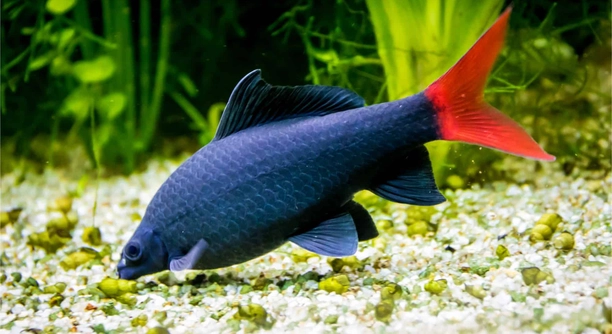
Rainbow Sharks are popular aquarium fish known for their vibrant colors and active nature. Sometimes, they can become aggressive, which may disrupt the harmony in your tank. Managing their behavior helps maintain a peaceful environment for all your fish.
Controlling aggression in Rainbow Sharks involves several steps such as providing enough space, hiding spots, and proper tank mates. Feeding them regularly and monitoring water quality also reduces stress and aggressive tendencies. These methods collectively create a balanced habitat.
These simple adjustments can improve your aquarium’s atmosphere and make living with Rainbow Sharks more enjoyable. The following tips will help you manage their behavior effectively.
Provide Enough Space in the Tank
Rainbow Sharks need plenty of space to swim freely. A crowded tank increases stress and aggression. A minimum of 30 gallons is recommended for one Rainbow Shark, with more space needed if you have multiple fish. This helps reduce territorial behavior. Proper tank size also allows the fish to establish their own areas, lowering conflicts. Overcrowding makes it harder for them to escape from each other, increasing fights and injuries. Maintaining good space supports their natural behavior and overall health.
Having enough room helps Rainbow Sharks feel less threatened and more relaxed.
When the tank is spacious, Rainbow Sharks can avoid constant confrontation. This reduces stress and helps them behave more calmly. It also allows you to add decorations and hiding spots without crowding, creating a balanced habitat that meets their needs.
Add Hiding Spots and Decorations
Hiding places reduce stress and aggression by giving Rainbow Sharks safe areas to retreat. Rocks, plants, and driftwood provide good cover. These items break sightlines, which prevents constant territorial disputes. Hiding spots are especially important if you keep multiple fish. They allow shy or injured fish to recover without harassment. Use a variety of decorations to create a natural environment. This makes the fish feel secure and reduces aggressive encounters. A well-decorated tank improves the overall health of all aquatic life inside it. Regularly rearranging decorations can also prevent territorial fixation, which lowers aggression over time.
Choose Compatible Tank Mates
Rainbow Sharks can become aggressive toward smaller or slow-moving fish. Choosing tank mates that are similar in size and temperament reduces conflicts. Avoid keeping them with very small or passive species.
Selecting the right tank mates is important for maintaining peace. Fish such as larger tetras, barbs, and gouramis usually coexist well with Rainbow Sharks. These species can hold their own without provoking aggression. Avoid territorial or overly aggressive fish that could escalate fights. Monitoring fish behavior regularly helps catch early signs of aggression. Adjusting tank mates or rearranging decorations may be necessary to maintain balance.
Good tank mates also keep the environment dynamic and active without adding stress. They share space peacefully, which benefits the health of all fish involved.
Feed a Balanced Diet Regularly
Feeding Rainbow Sharks on a consistent schedule helps reduce aggression caused by hunger or competition for food. A balanced diet includes pellets, flakes, and occasional live or frozen foods. Avoid overfeeding, which leads to poor water quality and stress.
A well-fed Rainbow Shark is less likely to compete aggressively over food or territory. High-quality pellets with protein are essential for their energy and coloration. Supplementing with vegetables like zucchini or peas provides necessary nutrients and variety. Feeding small amounts multiple times a day mimics natural behavior and prevents dominance during feeding times. Uneaten food should be removed to maintain clean water.
Proper nutrition supports their immune system, making them more resilient to stress and less likely to show aggressive behavior in the tank.
Maintain Good Water Quality
Clean water is essential for Rainbow Sharks’ health and behavior. Poor water quality increases stress and triggers aggression. Regular water changes and proper filtration keep the environment stable and safe.
Test water parameters frequently. Keep ammonia and nitrite at zero, and nitrate levels low. Stable conditions reduce aggressive tendencies and promote peaceful tank life.
Control Lighting and Noise
Bright lights and loud noises can stress Rainbow Sharks. Stress often leads to aggressive behavior. Use soft, natural lighting and minimize sudden sounds near the tank.
Creating a calm environment helps fish feel secure. Consistent lighting schedules mimic natural day and night cycles, reducing stress-related aggression.
Avoid Overcrowding the Tank
Too many fish in one tank causes stress and territorial disputes. Overcrowding makes Rainbow Sharks more aggressive as they compete for space and resources.
Maintaining proper stocking levels allows each fish enough room to establish territory, reducing fights and promoting healthier interactions.
Monitor Fish Behavior
Regular observation helps detect early signs of aggression or stress. Addressing problems quickly prevents escalation and injury among tank mates.
How can I tell if my Rainbow Shark is being too aggressive?
Aggressive behavior in Rainbow Sharks often shows as chasing, nipping, or territorial guarding. They may repeatedly chase other fish away from certain areas of the tank. Signs also include damaged fins on other fish or constant hiding by tank mates. If your Rainbow Shark shows these behaviors regularly, it is likely being too aggressive. Monitoring their interactions closely helps to identify which situations trigger aggression.
What is the best tank size to reduce aggression?
A minimum tank size of 30 gallons is recommended for one Rainbow Shark. If keeping more than one or other active fish, larger tanks around 50 gallons or more are ideal. More space allows fish to establish territories without constant confrontation. Larger tanks also reduce stress and give room for hiding spots and decorations. Proper tank size is a key factor in managing aggression and promoting peaceful cohabitation.
Are Rainbow Sharks aggressive by nature?
Rainbow Sharks have semi-aggressive tendencies, especially in smaller or crowded tanks. Their natural instinct is to defend territory, which can cause aggression toward other fish. However, proper care, space, and compatible tank mates help reduce aggressive behavior. When their needs are met, they tend to be less hostile and more balanced in their interactions.
Can certain tank mates help reduce aggression?
Yes, selecting compatible tank mates can lower aggression. Choose fish similar in size and temperament to Rainbow Sharks, such as larger tetras, barbs, or gouramis. Avoid small, slow, or very passive fish, as they can be targets for aggression. Aggressive or territorial tank mates should also be avoided to prevent escalating fights. Proper stocking and observation help keep the community peaceful.
Does diet affect aggression in Rainbow Sharks?
Feeding a balanced diet on a regular schedule can reduce aggression linked to hunger or competition. Proper nutrition helps maintain energy levels and reduces stress. High-quality pellets supplemented with vegetables and occasional live or frozen foods provide balanced nutrition. Avoid overfeeding, which can harm water quality and increase stress, potentially triggering aggressive behavior.
How often should I change the water to prevent aggression?
Regular water changes are important to keep water quality high, which affects fish behavior. Changing 20-30% of the water weekly is recommended. Clean water lowers stress and helps keep Rainbow Sharks calm. Using a good filtration system alongside regular water changes maintains stable tank conditions, reducing aggression triggers.
Will rearranging decorations help with aggression?
Yes, changing the layout of the tank occasionally can reduce territorial aggression. Rearranging hiding spots and decorations breaks established territories and stops Rainbow Sharks from becoming overly aggressive over certain areas. It encourages fish to explore and establish new territories, leading to a more balanced environment.
Can lighting influence aggression in Rainbow Sharks?
Bright or inconsistent lighting can stress Rainbow Sharks, increasing aggressive behavior. Using soft, natural lighting with a consistent day-night cycle helps keep fish calm. Avoid sudden changes in light intensity or flashing lights near the tank, as these can cause stress and trigger aggression.
What signs indicate a need to separate an aggressive Rainbow Shark?
If aggression leads to serious injury, constant harassment, or death of other fish, separation may be necessary. Signs include severe fin damage, constant chasing, or hiding fish unable to feed properly. Temporary separation or using a divider can help calm the tank and prevent further harm. Afterward, adjusting tank conditions or stocking may be needed before reintroducing fish.
Is it normal for Rainbow Sharks to be aggressive during breeding?
Yes, aggression often increases during breeding periods. Rainbow Sharks become more territorial and protective of spawning sites. Providing extra hiding spots and space during this time can help reduce conflict. If aggression becomes extreme, consider separating fish until breeding behavior subsides.
How can stress lead to aggression in Rainbow Sharks?
Stress weakens fish and often triggers aggressive behavior. Causes of stress include poor water quality, overcrowding, incompatible tank mates, and sudden changes in the environment. Addressing these factors by maintaining a clean, stable tank with proper space and compatible fish helps keep stress and aggression low.
Can I train or tame my Rainbow Shark to reduce aggression?
While Rainbow Sharks are not easily trained like some pets, consistent care and a stable environment can help reduce aggression. Regular feeding, proper tank conditions, and calm surroundings encourage predictable behavior. Over time, the fish may become more comfortable and less hostile toward tank mates.
Managing aggression in Rainbow Sharks requires attention to several important factors. Providing a spacious tank with plenty of hiding spots helps reduce territorial behavior. Ensuring the water quality is well-maintained lowers stress, which is a key cause of aggression. Feeding the fish a balanced diet on a consistent schedule also plays a significant role in keeping their behavior calm. By addressing these needs, the Rainbow Shark can live peacefully alongside other fish, creating a more enjoyable aquarium environment.
It is important to choose tank mates carefully. Fish that are similar in size and temperament tend to get along better with Rainbow Sharks. Avoiding very small or overly passive species can prevent unnecessary bullying. Likewise, avoiding overly aggressive or territorial fish reduces the chance of fights. Observing the fish regularly helps to catch any signs of trouble early. If aggression becomes a serious problem, rearranging decorations or temporarily separating fish can provide relief and restore balance.
Ultimately, Rainbow Sharks are semi-aggressive fish, but their behavior can be managed effectively. With proper care and attention, they will show less hostility and more natural, peaceful activity. Taking the time to create a well-planned environment benefits not only the Rainbow Shark but also the entire aquarium community. Keeping aggression in check leads to healthier, happier fish and a more rewarding experience for the aquarium owner.

Hello,
If you enjoy the content that we create, please consider saying a "Thank You!" by leaving a tip.
Every little bit helps us continue crafting quality advice that supports the health, happiness, and well-being of pets around the world, for pets of all shapes, sizes, and species.
We really appreciate the kindness and support that you show us!