
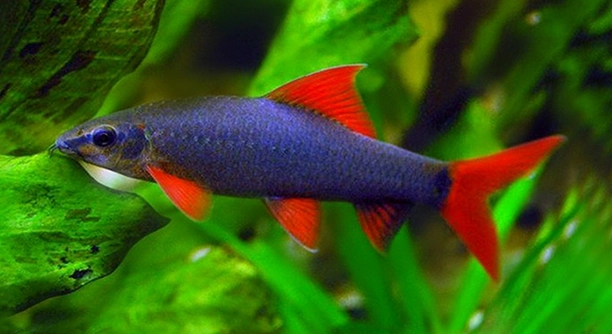
Rainbow sharks are popular freshwater fish known for their bright colors and active behavior. They can sometimes show aggressive tendencies, which can be challenging for aquarium owners. Managing their aggression helps create a peaceful tank environment.
Aggression in rainbow sharks can be reduced by providing enough space, hiding spots, and compatible tank mates. Proper feeding and maintaining good water quality also play important roles in minimizing stress and territorial behavior.
Learning these tips will help you keep your rainbow sharks calmer and your aquarium more enjoyable for all its inhabitants.
Provide Enough Space for Swimming
Rainbow sharks need plenty of room to swim freely. When tanks are too small, these fish tend to become more aggressive as they feel crowded and stressed. A larger tank helps reduce territorial disputes and gives each fish space to establish its own area without constant conflict. It is best to have at least a 30-gallon tank for one rainbow shark, and increase the size when keeping multiple fish. Decorations should not block swimming paths but provide some open areas as well. More space encourages natural behavior and less fighting. Proper tank size also improves water quality since more water dilutes waste, which keeps the fish healthier and calmer.
Keeping rainbow sharks in a large enough tank is an easy way to reduce aggressive behaviors. They thrive with space to swim without feeling threatened.
Making sure your aquarium is roomy enough is the first step in managing aggression. It allows rainbow sharks to feel comfortable and lowers stress, which helps them coexist peacefully.
Add Plenty of Hiding Spots
Rainbow sharks feel safer when they have places to hide. Rocks, caves, and plants offer shelter that can reduce stress and aggression. Without hiding spots, these fish may constantly compete for territory, leading to fights. Adding decorations that create visual barriers also helps fish avoid constant eye contact, which can trigger aggression. Use a mix of natural and artificial elements to build a comfortable environment. Hiding places allow shy or less dominant fish to escape and rest, which supports a balanced community.
Hiding spots are important for calming rainbow sharks and reducing conflict in the tank.
In addition to space, providing enough hiding places is essential for a peaceful aquarium. When fish can retreat, they are less likely to feel threatened or challenged. This is especially true during feeding or when establishing territories. Variety in hiding spots also makes the tank more interesting for the fish. Plants with broad leaves or tunnels made from driftwood work well. Regularly rearranging decorations can also prevent fish from becoming overly territorial about specific spots. Overall, creating a diverse and secure environment with many shelters is key to lowering aggression and helping rainbow sharks live harmoniously with other tank mates.
Choose Compatible Tank Mates
Rainbow sharks do best with peaceful fish that don’t compete aggressively for territory. Avoid keeping them with other bottom-dwellers or very territorial species.
Selecting the right tank mates helps reduce fighting and stress. Small schooling fish like tetras or danios often work well, as they occupy different tank levels. Avoid slow-moving or long-finned fish that might be nipped. Compatibility means less competition for space and food, making the aquarium environment calmer for everyone.
It’s important to observe fish interactions after introducing new tank mates. If aggression increases, you may need to rearrange the tank or remove certain fish. Compatibility goes beyond species—individual personalities matter. Patience and adjustments help create a balanced community where rainbow sharks feel less threatened and aggressive.
Feed Properly and Regularly
Consistent feeding helps keep rainbow sharks calm and less aggressive. They become irritable if food is scarce or unevenly distributed.
Feeding small amounts multiple times a day encourages natural foraging behavior and reduces competition. Use high-quality sinking pellets or wafers suited for bottom feeders. Supplement their diet with occasional live or frozen foods like bloodworms or brine shrimp. Uneaten food should be removed to maintain water quality, which also affects behavior. A well-fed fish is less likely to act aggressively due to hunger.
Maintaining a regular feeding schedule and balanced diet supports rainbow sharks’ health and temperament. Proper nutrition and care reduce stress, helping to keep aggression levels low in your tank.
Maintain Good Water Quality
Clean water is essential for keeping rainbow sharks calm and healthy. Poor water conditions increase stress and can trigger aggression.
Regular water changes and proper filtration help maintain stable water parameters. Test the water often to ensure ammonia, nitrite, and nitrate levels are safe. Good water quality supports the fish’s immune system and reduces irritability.
Avoid Overcrowding
Too many fish in one tank leads to stress and fights. Overcrowding limits space and increases competition for food and territory.
Keep the fish population balanced with the tank size to minimize conflicts. Overcrowding often results in aggressive behavior and poor health among rainbow sharks.
Use Soft Lighting
Bright lights can stress rainbow sharks, making them more aggressive. Soft lighting creates a more comfortable environment.
Dim or moderate light levels help fish feel secure and reduce aggressive tendencies. Consider adding floating plants to diffuse light gently.
FAQ
How can I tell if my rainbow shark is being aggressive?
Aggressive rainbow sharks often chase or nip at other fish. You might see them defending certain areas of the tank or constantly swimming fast and erratically. Signs include torn fins or stressed tank mates hiding more than usual. Aggression usually increases when the fish feel crowded or threatened.
What is the best tank size to reduce aggression?
A minimum of 30 gallons is recommended for one rainbow shark. For multiple fish, increase the tank size accordingly to provide enough swimming space. Larger tanks help reduce territorial fights and allow each fish to establish its own area.
Can rainbow sharks live peacefully with other fish?
Yes, if tank mates are chosen carefully. Avoid other bottom-dwellers or aggressive species. Peaceful, fast-swimming fish like tetras or danios are good choices. Proper hiding spots and plenty of space also help create a calm environment.
How often should I feed my rainbow shark?
Feed small amounts two to three times a day. Frequent feeding reduces competition and aggressive behavior caused by hunger. Use sinking pellets and supplement with occasional live or frozen foods like bloodworms for a balanced diet.
What role does water quality play in aggression?
Poor water quality causes stress, which can increase aggression. Ammonia, nitrite, or nitrate levels that are too high irritate fish and lower their immune defenses. Regular water changes and filtration keep the environment stable and fish calm.
Are hiding spots really necessary?
Yes, hiding spots reduce stress by allowing fish to retreat when feeling threatened. This lowers aggressive encounters. Use rocks, caves, plants, or driftwood to create secure areas. Rearranging these spots from time to time can prevent fish from becoming overly territorial.
Can lighting affect aggression in rainbow sharks?
Bright lighting can cause stress and provoke aggression. Soft or dim lighting creates a calmer environment. Adding floating plants helps diffuse light and provides shade, making the tank more comfortable for the fish.
What should I do if aggression persists despite all efforts?
If aggression continues, try rearranging the tank layout to disrupt territories. Remove the most aggressive fish if necessary. Sometimes, individual personality affects behavior, so separating problem fish may be the best solution to protect the community.
Is it okay to keep more than one rainbow shark together?
Yes, but only in larger tanks with plenty of space and hiding spots. Overcrowding increases aggression. Keeping only one or spacing multiple fish well apart helps maintain peace.
How important is monitoring fish behavior regularly?
Very important. Watching interactions helps catch aggression early. You can then adjust tank conditions, feeding, or population before fights cause harm. Early action improves the overall health and balance of your aquarium.
Rainbow sharks are beautiful and active fish that can bring life to any freshwater aquarium. However, their natural behavior can sometimes lead to aggression, which may be frustrating for aquarium keepers. Understanding how to reduce aggression is important to create a peaceful environment where all fish can thrive. Simple steps like providing enough space, adding hiding spots, and choosing compatible tank mates can make a big difference in managing their behavior.
Maintaining good water quality and feeding your rainbow sharks properly also play key roles in reducing stress and aggression. Regular water changes and testing ensure the tank remains healthy, which helps fish stay calm. Feeding small, balanced meals multiple times a day prevents hunger-driven fights and keeps fish focused on eating rather than competing. Even lighting can influence their mood, so using soft light and adding plants for shade can help keep the fish relaxed.
It is important to observe your fish regularly and adjust the environment as needed. Sometimes individual fish have stronger personalities, and small changes to tank layout or population may be necessary. By paying attention and providing a well-maintained, comfortable habitat, you can enjoy the colorful beauty of rainbow sharks without dealing with constant aggression. Taking these steps supports both the health of your fish and the overall harmony of your aquarium.

Hello,
If you enjoy the content that we create, please consider saying a "Thank You!" by leaving a tip.
Every little bit helps us continue crafting quality advice that supports the health, happiness, and well-being of pets around the world, for pets of all shapes, sizes, and species.
We really appreciate the kindness and support that you show us!