
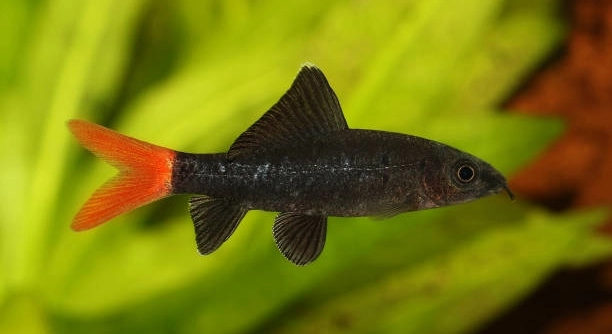
Are your rainbow sharks refusing to eat and causing worry? This is a common issue that many aquarium owners face when caring for these vibrant fish. Understanding the reasons behind their loss of appetite can help you take the right steps to support them.
A rainbow shark that stops eating may be experiencing stress, poor water quality, improper diet, or illness. Addressing these factors by improving tank conditions and offering suitable food can help restore their appetite and overall health.
Knowing how to identify and fix these problems can make a big difference in your fish’s wellbeing. The following tips will guide you through simple ways to encourage your rainbow shark to eat again.
Check Water Quality and Tank Conditions
Poor water quality is one of the main reasons a rainbow shark may stop eating. These fish need clean, well-maintained tanks with stable water parameters to thrive. High levels of ammonia, nitrites, or nitrates can stress your fish and cause them to lose interest in food. The water temperature should be between 72°F and 79°F (22°C–26°C), and the pH level should be around 6.5 to 7.5. Regular water testing and partial water changes are essential to keep these levels in check. Additionally, overcrowding can cause stress and reduce feeding activity, so make sure the tank is not too crowded and there is enough space for your rainbow shark to swim comfortably. A clean environment with proper hiding spots also helps the fish feel safe, encouraging normal eating behavior.
Testing your water weekly can prevent many health problems and keep your rainbow shark eating well.
Maintaining good tank conditions is simple but important. Regular water changes remove toxins and waste that build up over time. Using a water conditioner to remove chlorine and chloramine ensures the water is safe. Avoid sudden changes in temperature or water chemistry, as rainbow sharks are sensitive to shifts in their environment. Also, make sure the tank has proper filtration and aeration to keep the water oxygen-rich and clean. By focusing on these details, you create a healthy space that encourages your rainbow shark to eat and thrive.
Offer the Right Diet and Feeding Schedule
Rainbow sharks need a varied diet rich in proteins and vegetables to stay healthy. Feeding them only one type of food can cause them to lose interest. Use high-quality sinking pellets or wafers made for bottom feeders, along with occasional treats like bloodworms, brine shrimp, or blanched vegetables such as zucchini or spinach. Feeding small amounts two to three times daily is better than giving a large meal once a day. Overfeeding can lead to water pollution and health issues, which will reduce appetite. Observe your fish during feeding to see if they are eating or spitting out food. If they ignore certain foods, try offering different types until you find what they prefer.
Adjusting the diet and feeding routine helps improve your fish’s health and encourages consistent eating.
Reduce Stress in the Tank
Stress causes rainbow sharks to stop eating quickly. Loud noises, sudden movements, or aggressive tank mates can make them nervous. Keeping a calm environment helps your fish feel safe and encourages feeding.
Stress can come from many sources, including frequent tapping on the glass or placing the tank in a busy area. Aggressive or overly active fish in the same tank may chase or bully the rainbow shark, causing it to hide and avoid food. Providing hiding spots like plants, caves, or decorations gives the fish a safe place to retreat. Avoid overcrowding by ensuring there is enough space for all tank inhabitants. Maintaining stable water conditions also reduces stress, as sudden changes can disturb your fish.
Using a gentle filter flow and soft lighting can create a peaceful atmosphere. Spending time observing the tank quietly rather than constantly disturbing it can also help your rainbow shark feel more comfortable and ready to eat.
Monitor for Illness and Parasites
Illness and parasites often cause rainbow sharks to lose their appetite. Look for signs like faded color, clamped fins, lethargy, or unusual swimming patterns. Early detection can prevent worsening health.
If you notice any of these symptoms, isolate the affected fish to avoid spreading disease. Use a proper medication recommended for the specific illness or parasite affecting your fish. Consult with an expert or a vet if you are unsure about the diagnosis. Quarantine new fish before adding them to the tank to reduce the risk of infection. Keeping the tank clean and maintaining good water quality supports the immune system of your rainbow shark and reduces disease chances. Regular observation helps catch problems early, making treatment more effective.
Adjust Lighting and Tank Placement
Too much light can stress rainbow sharks, causing them to hide and refuse food. Use moderate lighting and create shaded areas with plants or decorations.
Place the tank in a quiet spot away from direct sunlight and heavy foot traffic. A calm environment encourages normal behavior and feeding.
Clean the Tank Regularly
Regular cleaning removes waste and harmful substances that affect fish health. Perform partial water changes weekly and clean the substrate to keep the environment safe.
Consistent maintenance prevents buildup of toxins and helps maintain stable water conditions. This supports your rainbow shark’s appetite and overall wellbeing.
Observe Behavioral Changes
Watch for unusual behavior like hiding, erratic swimming, or lethargy. These signs often indicate health or environmental problems.
Early observation helps you identify issues before they become serious, improving the chances of your fish recovering quickly.
Why is my rainbow shark not eating but still swimming around?
Sometimes rainbow sharks swim actively but refuse food due to mild stress or minor water quality issues. They might be adjusting to changes in their environment or recovering from a recent illness. In these cases, keeping the tank stable and stress-free often helps restore their appetite over time. Avoid overfeeding and continue monitoring water parameters closely.
How long can a rainbow shark go without eating?
Rainbow sharks can survive for about one to two weeks without eating, but this is not healthy. Prolonged fasting weakens their immune system and can lead to serious health problems. It’s important to find and fix the cause of their refusal to eat as soon as possible to prevent long-term harm.
Can water temperature affect my rainbow shark’s appetite?
Yes, water temperature plays a big role. Rainbow sharks prefer temperatures between 72°F and 79°F (22°C–26°C). If the water is too cold or too hot, their metabolism slows down or becomes stressed, reducing appetite. Using a reliable heater and thermometer helps keep temperature stable and ideal for feeding.
Is it normal for rainbow sharks to refuse food sometimes?
Occasional refusal can happen during tank changes, after adding new fish, or if they feel stressed. However, if the refusal lasts more than a few days, it’s a sign of an underlying issue. Consistent monitoring and care will help prevent this from becoming a serious problem.
What foods are best to encourage my rainbow shark to eat again?
High-quality sinking pellets made for bottom feeders are a good base. You can also offer live or frozen foods like bloodworms and brine shrimp. Blanched vegetables such as zucchini and spinach provide variety and nutrients. Offering a mix of these encourages natural feeding behavior.
How can I reduce stress in my tank to help my fish eat?
Reduce noise around the tank, avoid sudden movements, and limit tapping on the glass. Make sure tank mates are peaceful and the environment has hiding spots. Stable water conditions with regular maintenance also reduce stress significantly.
Could illness be why my rainbow shark stopped eating?
Yes, illness or parasites can cause loss of appetite. Watch for signs like faded color, clamped fins, lethargy, or unusual swimming. Quarantine and treat the fish with proper medication if needed. Early treatment improves recovery chances.
Can overcrowding affect my rainbow shark’s feeding habits?
Overcrowding creates stress and competition for food. Rainbow sharks need space to swim and eat comfortably. Keeping the tank properly stocked and avoiding aggressive or territorial fish improves feeding behavior.
How often should I clean my tank to support my rainbow shark’s appetite?
Perform partial water changes weekly, removing 20–30% of the water. Clean the substrate gently and check filter function regularly. Maintaining a clean tank environment prevents toxins from building up and keeps your fish healthy and hungry.
Is it okay to change my rainbow shark’s diet suddenly if it won’t eat?
Sudden diet changes can add stress. Instead, introduce new foods gradually alongside their usual diet. This helps your fish adjust without becoming more reluctant to eat. Observing preferences helps you find what your rainbow shark likes best.
What should I do if my rainbow shark is hiding and not eating?
Hiding often signals stress or illness. Check water quality and tank conditions first. Provide hiding places to make your fish feel secure. If hiding persists and eating does not improve, consider consulting an expert or vet for advice.
Can lighting affect my rainbow shark’s appetite?
Yes, very bright or constant lighting can stress the fish and reduce feeding. Use moderate lighting with some shaded areas created by plants or decorations. A natural day-night cycle supports normal behavior and appetite.
How can I tell if my rainbow shark is sick?
Look for changes like dull colors, clamped fins, lethargy, labored breathing, or unusual swimming patterns. Loss of appetite combined with these signs usually indicates illness. Early detection and treatment are important to prevent worsening.
Should I quarantine new fish before adding them to the tank?
Quarantining new fish is a good practice. It helps prevent the introduction of diseases and parasites that can affect your rainbow shark. A quarantine period of two weeks allows you to observe and treat any health issues before mixing fish.
What if my rainbow shark only eats at night?
Rainbow sharks are more active during low light or nighttime. Feeding in the evening or when the tank lights are dimmed can encourage eating. Adjust feeding times to match their natural behavior for better results.
Can changes in tank decoration cause my rainbow shark to stop eating?
Yes, rearranging plants or decorations can cause temporary stress. Give your fish time to adjust to the new environment. Keep changes minimal and gradual to avoid upsetting their routine.
Is it normal for rainbow sharks to refuse food during breeding?
During breeding or spawning, rainbow sharks might eat less or stop eating. This behavior is temporary and usually returns to normal after the breeding period. Maintaining good tank conditions supports them through this phase.
How can I safely medicate my rainbow shark if it stops eating due to illness?
Use medications specifically designed for freshwater fish and follow instructions carefully. Isolate the sick fish in a separate tank for treatment to avoid stressing others. Monitor water quality during medication to prevent additional problems.
What role does tank size play in my rainbow shark’s eating habits?
A tank that is too small limits swimming space and increases stress, reducing appetite. Rainbow sharks need at least 30 gallons to thrive. Larger tanks provide room to explore and reduce competition for food.
Can poor filtration cause my rainbow shark to stop eating?
Yes, inadequate filtration leads to poor water quality and toxin buildup, which stresses fish and reduces appetite. Ensure your filter is appropriate for tank size and clean it regularly for optimal performance.
Taking care of a rainbow shark that is not eating can feel frustrating, but understanding the reasons behind this behavior helps a lot. Many factors, like water quality, stress, diet, and illness, can affect their appetite. Making small changes in their environment and routine often improves their willingness to eat. It is important to be patient and observe your fish carefully to catch any signs of trouble early. Consistent care and attention will give your rainbow shark the best chance to recover and stay healthy.
Water quality is one of the most important parts of keeping your rainbow shark healthy and eating well. Regular water testing and cleaning help remove harmful chemicals and waste that can stress the fish. Temperature, pH levels, and tank size all need to be right for your fish’s needs. Keeping the tank stable and clean not only improves appetite but also prevents many common illnesses. When the water is balanced and the environment is comfortable, rainbow sharks feel safe enough to eat normally.
Lastly, diet and stress management play big roles in your fish’s eating habits. Offering a varied diet that includes pellets, live or frozen foods, and vegetables keeps their interest in food high. Avoiding overcrowding and aggressive tank mates reduces stress, which can stop your rainbow shark from eating. Small things like lighting and tank placement also matter. Paying attention to these details and acting on any changes in behavior will help your rainbow shark stay happy and healthy for a long time.

Hello,
If you enjoy the content that we create, please consider saying a "Thank You!" by leaving a tip.
Every little bit helps us continue crafting quality advice that supports the health, happiness, and well-being of pets around the world, for pets of all shapes, sizes, and species.
We really appreciate the kindness and support that you show us!