
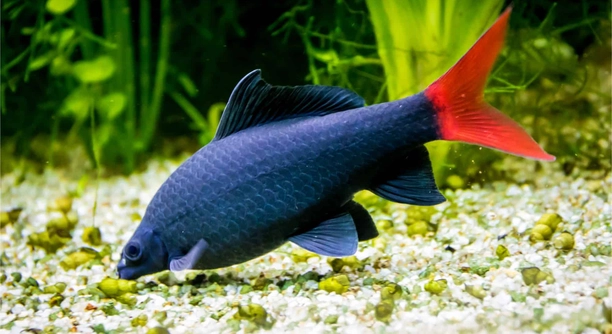
Do you ever find yourself wondering why your rainbow shark acts more aggressive than expected, especially around other tank mates or decorations?
Rainbow shark aggression is often rooted in territorial behavior, environmental stress, and limited tank space. These fish naturally guard their space and may display hostility toward other species, particularly in poorly maintained or undersized aquariums.
Understanding the causes behind their behavior can help create a more peaceful aquarium and support healthier interactions among your fish.
They Are Naturally Territorial
Rainbow sharks are known for being territorial by nature. In the wild, they claim space and keep other fish away. In home tanks, this instinct remains strong. When placed in a confined environment, they often treat it as their territory and act aggressively toward other fish that come near. This includes chasing, nipping, and guarding certain areas like caves or plants. Even fish that don’t pose a threat may be seen as intruders. This can lead to stress and injury for both the rainbow shark and its tank mates. Keeping only one rainbow shark per tank is usually best. If you do add other fish, choose ones that are fast and non-aggressive. Avoid slow swimmers or other bottom dwellers, since they are more likely to cross paths and trigger aggressive behavior. Proper planning and tank setup can reduce these issues and help your rainbow shark feel secure.
Their need for space is not just about comfort—it’s a survival behavior shaped by their natural environment.
A tank that mimics their wild habitat with plenty of room, hiding spots, and minimal competition helps ease their territorial behavior and limits unnecessary stress for other fish in the tank.
Tank Size Plays a Big Role
Small tanks increase aggression in rainbow sharks. Limited space makes it harder for them to establish a safe area, which leads to more conflict.
A tank smaller than 50 gallons often causes problems. Rainbow sharks grow up to six inches long and need space to swim freely. If the tank is too small, they feel trapped and defensive. They might constantly chase other fish or hide for long periods. This can harm their health over time. A larger tank gives them room to claim territory without threatening others. Include plenty of caves, plants, and decorations to break up sight lines and offer hiding spots. This reduces tension and allows each fish to feel secure. Good water quality also helps, as poor conditions raise stress levels and make aggression worse. If you notice your rainbow shark becoming more aggressive, upgrading to a larger tank is a practical first step. It creates a better environment for both the shark and any tank mates.
They Don’t Like Sharing the Bottom
Rainbow sharks are bottom dwellers. They feel most secure when they have full control over the lower part of the tank. Sharing this space can lead to tension and repeated aggression.
If other bottom dwellers, like cory catfish or loaches, are added to the tank, the rainbow shark may see them as rivals. It will often chase, nip, or try to scare them away. This causes stress for all fish involved and may even result in injuries. A tank with only one dominant bottom dweller is usually more peaceful. If mixing species is important to you, choose mid- or top-level swimmers that won’t compete for the same space. Also, rearranging the tank occasionally can disrupt established territories and help reduce aggressive behavior. Even small changes like moving decorations or plants can help. A calm tank starts with giving your rainbow shark enough unchallenged room at the bottom.
Aggression often starts when boundaries are crossed. If the rainbow shark senses another fish is too close to its space, it reacts fast. That’s why it’s important to avoid overcrowding and always consider swimming levels when choosing tank mates. Think of the tank like a layered space—top, middle, and bottom—and keep their comfort zones separate.
They Become More Aggressive as They Age
Young rainbow sharks are usually more tolerant, but as they grow older, their behavior often changes. Mature sharks are more likely to show dominance, claim more space, and act aggressively toward other fish, even if they’ve lived together for a while.
As rainbow sharks mature, their instincts become sharper. A fish that seemed peaceful as a juvenile can turn territorial around the one-year mark. At this stage, the shark sees its environment as something it must control. Tank mates that were once tolerated may suddenly become targets. This is especially common if the tank is too small or lacks hiding spaces. Watching for changes in behavior is important, especially if you’ve had your shark for a while. If aggression increases, the setup might need to change—either by upgrading the tank or adjusting the number and type of tank mates. Adult rainbow sharks thrive best when their environment allows them space and control.
Poor Water Conditions Can Trigger Aggression
Dirty or unstable water can make rainbow sharks more irritable. Ammonia spikes, low oxygen, or sudden temperature changes create stress, and stress often leads to aggressive behavior in these fish. Clean water and stable conditions help keep their mood and behavior under control.
Regular water changes and a strong filtration system are key. Test water often to catch problems early. Even small imbalances can affect behavior. A peaceful rainbow shark usually lives in a well-maintained, stable tank with consistent temperature, pH, and water hardness levels.
Certain Tank Mates Make Things Worse
Choosing the wrong tank mates can quickly create tension. Avoid other semi-aggressive fish or those with a similar body shape and color. Fish that resemble rainbow sharks often provoke defensive behavior. This includes red-tailed sharks, bala sharks, or even fish with red fins. Fast-swimming and peaceful mid- or top-level fish usually work better. Guppies, danios, and barbs (if not fin-nippers) are decent options. Always watch for signs of bullying or injury after adding new fish. Compatibility depends on the individual rainbow shark and tank setup, so changes may be needed if conflict continues.
They Need Time to Adjust
Rainbow sharks may act more aggressive when first introduced to a new tank. They need time to settle, explore, and claim a space. During this period, it’s normal for them to chase or act territorial until they feel secure.
FAQ
Why is my rainbow shark so aggressive toward other fish?
Rainbow sharks are naturally territorial and protective of their space. Aggression usually happens when tank conditions don’t meet their needs, such as limited space, poor water quality, or inappropriate tank mates. They feel threatened when other fish swim near their claimed territory, which causes chasing and nipping. Creating a well-planned environment with enough room and hiding spots reduces this behavior.
Can rainbow sharks live peacefully with other fish?
Yes, they can, but it requires careful tank planning. Choose peaceful, fast-swimming fish that stay in the middle or upper parts of the tank. Avoid other bottom dwellers or fish that look similar, as this often triggers aggression. Providing plenty of space and decorations to break up the tank helps all fish feel comfortable.
How large should my tank be for a rainbow shark?
A minimum of 50 gallons is recommended for one rainbow shark. Larger tanks give them enough room to swim and claim territory without constant conflict. Crowded spaces increase stress and aggressive behavior.
Why does my rainbow shark get more aggressive as it gets older?
As they mature, rainbow sharks become more territorial. This is a natural behavior as they try to control their environment. What seemed like calm behavior in youth can change after about one year. Adult sharks need more space and hiding places to reduce tension.
Will adding more rainbow sharks reduce aggression?
No, adding more rainbow sharks usually increases aggression. These fish prefer to be the only one of their kind in a tank due to strong territorial instincts. If multiple are kept together, expect fighting and stress.
How can I reduce aggression in my rainbow shark?
Improve tank conditions by increasing tank size, keeping water clean, and adding hiding spots. Rearranging decorations occasionally breaks up territories and can calm aggressive behavior. Also, avoid stressful situations like sudden changes in water temperature or adding incompatible tank mates.
Is rainbow shark aggression a sign of illness?
Not usually. Aggression is mostly linked to territorial behavior and stress from environment factors. However, if aggression is sudden and paired with other symptoms like lethargy or loss of appetite, it might indicate health issues, and a water test or vet visit is advised.
Can I separate an aggressive rainbow shark from others?
Yes, if aggression becomes harmful, isolating the rainbow shark in a separate tank is an option. This prevents injury to other fish and reduces stress for everyone. Providing a tank with similar conditions helps the shark stay healthy and calm.
Do decorations help reduce aggression?
Yes, decorations like plants, caves, and rocks create visual barriers and hiding spots. These break up the tank space and prevent constant line-of-sight between fish, reducing territorial disputes and giving shy fish places to retreat.
How often should I change the water in a rainbow shark tank?
Changing 20-30% of the water weekly is ideal. Regular water changes keep ammonia, nitrite, and nitrate levels low, improving water quality and reducing stress-induced aggression. Testing water parameters regularly ensures a healthy environment for your rainbow shark.
What tank mates should I avoid with rainbow sharks?
Avoid slow-moving bottom dwellers, fish with similar colors or shapes, and aggressive species. Examples include other rainbow sharks, red-tailed sharks, and certain cichlids. These can trigger fights and stress. Stick with peaceful, active swimmers that occupy different levels of the tank.
Will rearranging the tank help with aggression?
Yes, rearranging decorations can disrupt established territories and reduce aggressive behavior. Moving plants, rocks, or caves forces fish to re-establish boundaries, which often calms territorial disputes. Doing this every few weeks can keep aggression lower.
Can feeding schedules affect aggression?
Feeding on a regular schedule helps reduce aggression by minimizing competition. If food is scarce or feeding is irregular, fish may fight over resources. Providing multiple feeding spots and feeding enough can help maintain peace.
How can I tell if aggression is harming my fish?
Look for signs like torn fins, visible wounds, constant hiding, or loss of appetite. If aggression leads to injury or stress, it’s important to adjust tank conditions, separate aggressive fish, or reconsider tank mates to prevent further harm.
Are there behavioral signs before aggression starts?
Yes, signs include increased chasing, frequent displays of fins, and sudden changes in swimming patterns. Fish may become more territorial, especially after changes in the tank or as they mature. Early intervention can prevent serious conflicts.
What role does lighting play in aggression?
Bright or inconsistent lighting can stress fish and increase aggression. Providing a natural day-night cycle with moderate lighting helps fish feel secure. Too much light or sudden changes can cause stress and provoke aggressive responses.
Rainbow sharks are beautiful and active fish, but their aggressive behavior can be challenging for many aquarium owners. Understanding that their aggression comes mostly from natural territorial instincts is important. These fish need enough space to claim and defend, just like in their wild habitat. When they feel crowded or threatened, they react by chasing or nipping other fish. Creating a suitable environment with plenty of room, clean water, and hiding spots can greatly reduce aggressive behaviors and help your rainbow shark live peacefully alongside other fish.
Proper tank size is one of the biggest factors in controlling aggression. A tank that is too small leaves little room for a rainbow shark to feel safe and comfortable. They grow quickly and need space to swim freely without feeling constantly challenged. Providing at least 50 gallons, along with decorations like plants and caves, helps break up the tank into different zones. This gives the rainbow shark places to rest and claim territory without constantly clashing with tank mates. Choosing compatible fish that swim at different levels of the tank also helps prevent conflicts. Avoid other bottom dwellers or fish that look similar, as these often cause competition and aggression.
It’s also important to keep water conditions stable and clean. Stress from poor water quality makes any fish more aggressive, including rainbow sharks. Regular water changes, proper filtration, and monitoring water parameters will keep your fish healthy and calm. Changes in tank setup, like rearranging decorations, can help disrupt established territories and reduce tension between fish. Lastly, be patient during adjustment periods. Rainbow sharks may act aggressive when first introduced to a new tank but usually calm down as they settle in. With proper care, attention, and tank planning, rainbow sharks can live happily and show less aggression, creating a better experience for both you and your aquatic pets.

Hello,
If you enjoy the content that we create, please consider saying a "Thank You!" by leaving a tip.
Every little bit helps us continue crafting quality advice that supports the health, happiness, and well-being of pets around the world, for pets of all shapes, sizes, and species.
We really appreciate the kindness and support that you show us!